Wujin Museum Changzhou
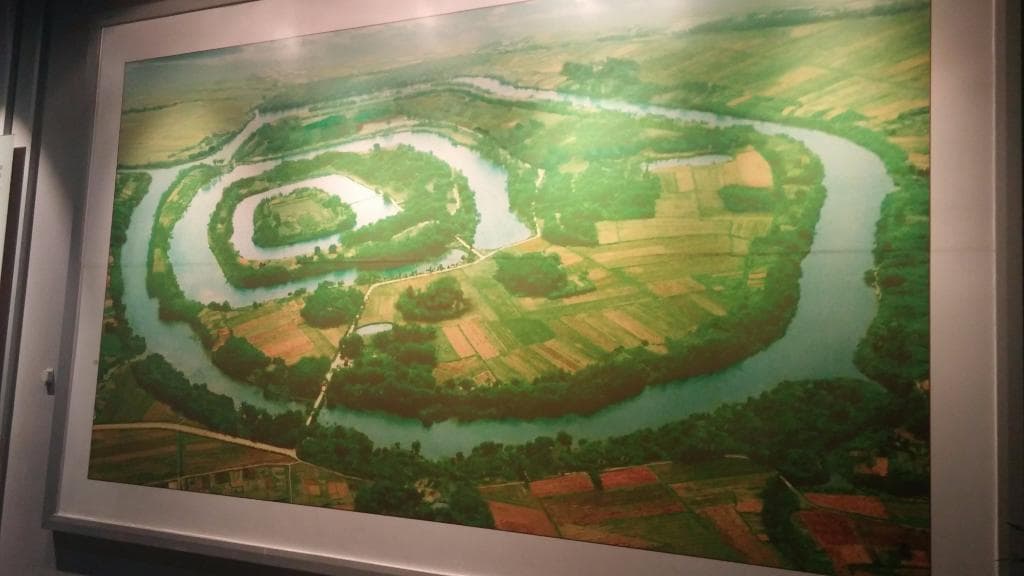
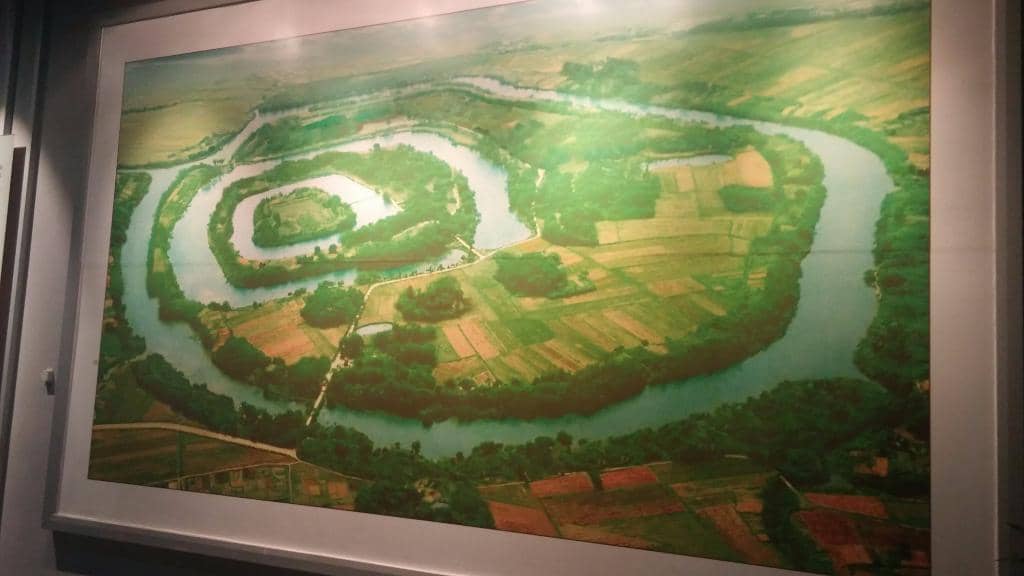
Discover the rich history and vibrant folk culture of Changzhou's Wujin district through fascinating artifacts and exhibits.
Highlights
Must-see attractions

Social
From TikTok & Reddit
Best Time
Fewer crowds, more peaceful
Wujin Museum Changzhou
Best Time
Fewer crowds, more peaceful
Highlights
Must-see attractions
Discover the rich history and vibrant folk culture of Changzhou's Wujin district through fascinating artifacts and exhibits.
"A journey through time, offering a deep dive into Wujin's heritage."
Check Opening Hours
Always verify the museum's operating hours before your visit, as they can change. :clock1:
Wear Comfortable Shoes
You'll be doing a lot of walking to see all the exhibits. :athletic_shoe:
Highlights
Discover the most iconic attractions and experiences
Ancient Wujin History
Permanent Exhibition Hall
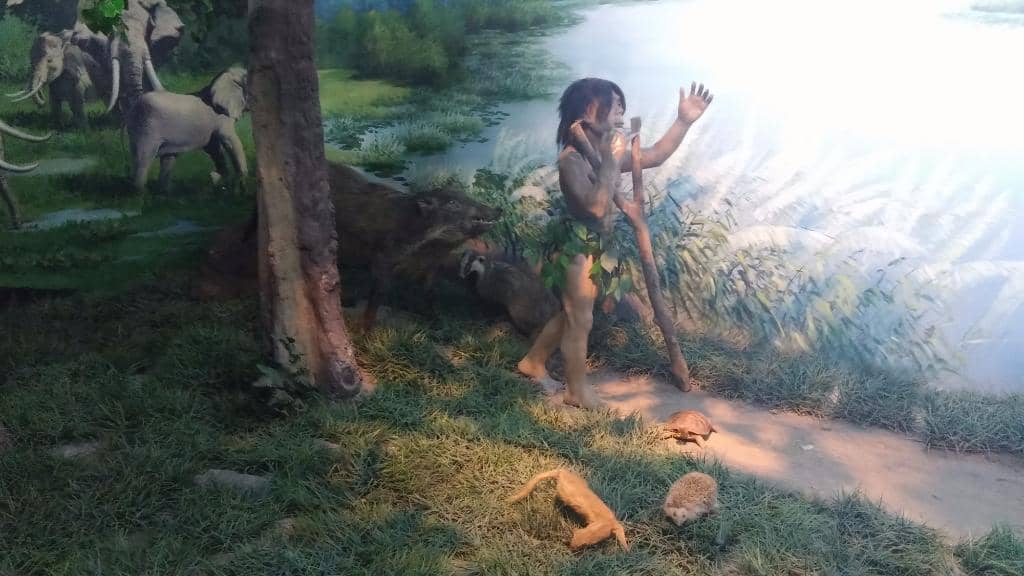
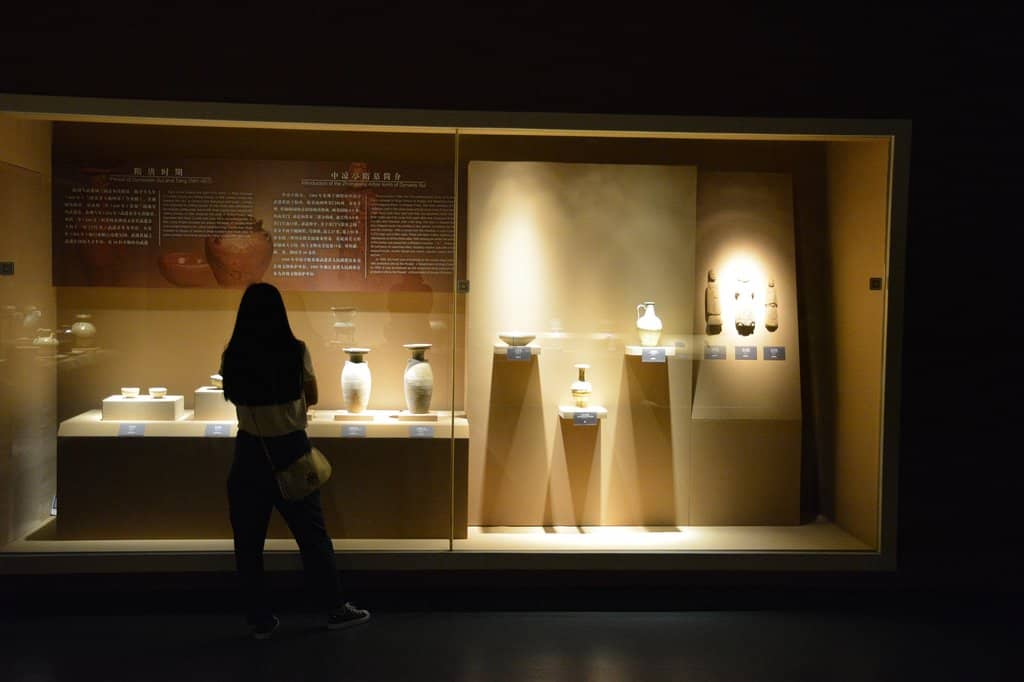
Uncover the rich past of the Wujin region through fascinating artifacts and displays.
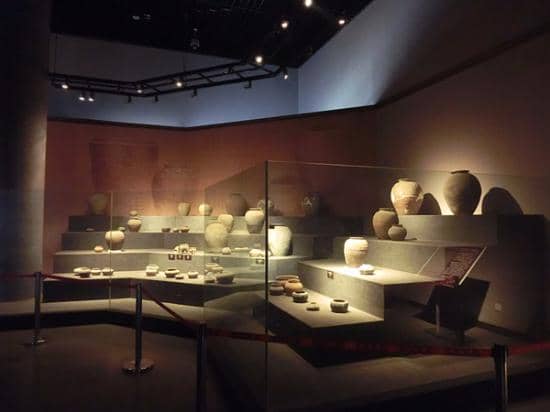
Folk Culture Displays
Folk Culture Hall
Experience the vibrant traditions and daily life of Wujin's past inhabitants.
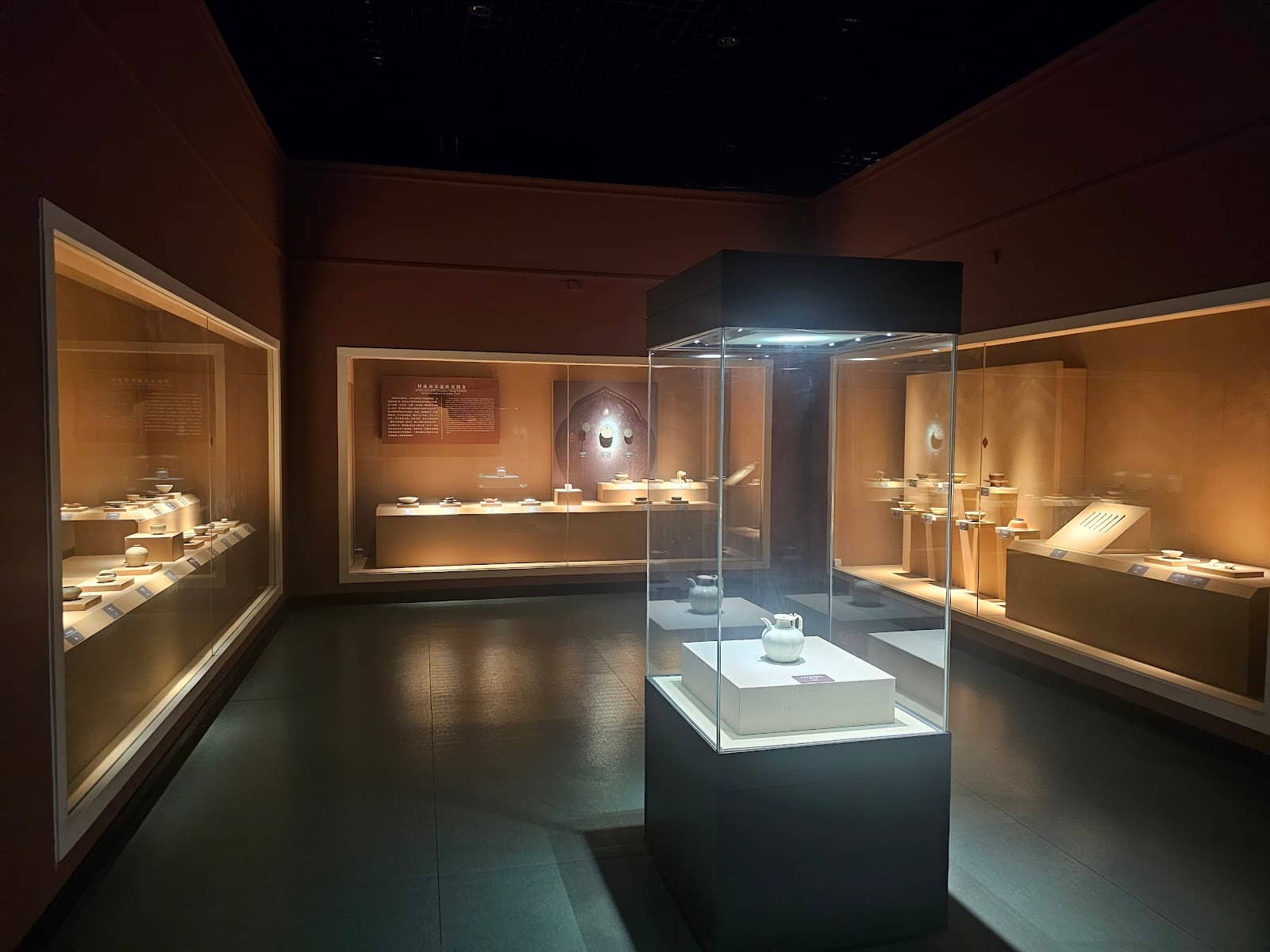
Art and Calligraphy
Art Gallery
Admire exquisite local art and calligraphy, showcasing the region's artistic heritage.
Plans like a pro.
Thinks like you
Planning Your Visit
Plan Your Visit
Getting Around
Best Times
Insider Tips
from TikTok, Instagram & Reddit
Check Opening Hours
Always verify the museum's operating hours before your visit, as they can change. :clock1:
Wear Comfortable Shoes
You'll be doing a lot of walking to see all the exhibits. :athletic_shoe:
Allow Ample Time
Give yourself at least 2-3 hours to fully appreciate the collections. :timer_clock:
Photography Policy
Check if photography is allowed in certain areas; flash photography is usually prohibited. :camerawithflash:
Tips
from all over the internet
Check Opening Hours
Always verify the museum's operating hours before your visit, as they can change. :clock1:
Wear Comfortable Shoes
You'll be doing a lot of walking to see all the exhibits. :athletic_shoe:
Allow Ample Time
Give yourself at least 2-3 hours to fully appreciate the collections. :timer_clock:
Photography Policy
Check if photography is allowed in certain areas; flash photography is usually prohibited. :camerawithflash:
What Travellers Say
Reviews Summary
Visitors generally find Wujin Museum to be an informative and well-curated institution, offering a solid overview of local history and culture. While specific reviews are scarce, similar museums in the region are often praised for their educational value and the opportunity to connect with local heritage. Potential visitors should note that detailed visitor feedback is limited, so managing expectations regarding interactive exhibits or extensive English translations is advisable.
""
아셋아빠
What People Like
What People Dislike
Frequently Asked Questions
🚇 🗺️ Getting There
The museum is accessible via public transportation. Several bus lines stop near the museum. If you're coming from further afield, consider using ride-sharing services or taxis for convenience.
Parking availability can be limited, especially during busy periods. It's advisable to check for nearby public parking lots or consider using public transport to avoid parking hassles.
From the city center, you can take a local bus or a taxi. Bus routes are frequent and offer an economical way to reach the museum. Taxis provide a quicker, though more expensive, option.
While there isn't a train station directly at the museum, Changzhou Railway Station is the main hub. From there, you can transfer to local buses or taxis to reach Wujin Museum.
Yes, using navigation apps like Baidu Maps or Google Maps (if available) is highly recommended. Search for 'Wujin Museum Changzhou' for precise directions.
🎫 🎫 Tickets & Entry
Admission to Wujin Museum is generally free, but it's always best to check their official website or local listings for any changes or special exhibition fees.
Opening hours typically vary, but the museum is usually open during daytime hours on weekdays and weekends. It's crucial to confirm the exact times before your visit, as they can be subject to change.
Since admission is often free, advance booking might not be necessary. However, for special exhibitions, there might be a ticketing system. Check the museum's official channels for updates.
As the museum is often free, discounts are usually not applicable. However, for any paid special exhibitions, inquire about potential group rates or student discounts.
Visiting on weekday mornings, shortly after opening, is generally the best strategy to avoid larger crowds and enjoy a more serene experience.
🎫 🧭 Onsite Experience
The museum features exhibits on the ancient history of Wujin, local folk culture, and art. Highlights include historical artifacts, traditional crafts, and local artwork.
To fully explore the museum's collections, plan for at least 2 to 3 hours. This allows for a comfortable pace without feeling rushed.
Yes, the museum offers educational exhibits that can be engaging for children, particularly those interested in history and culture. Interactive elements, if present, would enhance their experience.
Information on guided tours can vary. It's recommended to check the museum's information desk upon arrival or their official website for availability and schedules.
Photography policies differ. Generally, non-flash photography is permitted in most areas, but it's best to look for signage or ask museum staff for specific rules.
🍽️ 🍽️ Food & Dining
The museum itself may not have extensive dining facilities. It's common for museums of this size to have a small cafe or vending machines for snacks and drinks.
There are likely local restaurants and eateries in the vicinity of the museum, offering various Chinese cuisines. Exploring the surrounding streets will reveal many dining choices.
Bringing outside food and drinks into the exhibition halls is usually not permitted. However, there might be designated areas for picnics or refreshments.
Chinese cuisine often has vegetarian options. You can usually find vegetable-based dishes in local restaurants. It's advisable to ask for recommendations or look for specific vegetarian eateries.
Prices can vary, but you can find affordable local eateries offering meals at reasonable prices, alongside more upscale dining establishments.
📸 📸 Photography
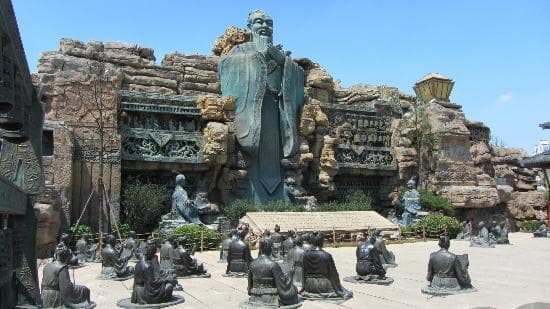
The museum's architecture, historical artifacts, and art displays offer great photo opportunities. Look for well-lit exhibits and interesting displays.
Flash photography is typically prohibited inside museums to protect the artifacts. Always check for signs or ask staff if you're unsure.
Professional photography equipment or large setups might require special permission. For personal use, standard camera or phone photography is usually fine.
A versatile camera that handles low light well is ideal. A smartphone with good camera capabilities is also sufficient for capturing memories.
Yes, the exterior of the museum is usually fine for photography, offering a good backdrop for wider shots.
For Different Travelers
Tailored advice for your travel style
👨👩👧 Families with Kids
📚 History Enthusiasts
Deep Dives
In-depth insights and expert knowledge
Exploring Wujin's Rich History
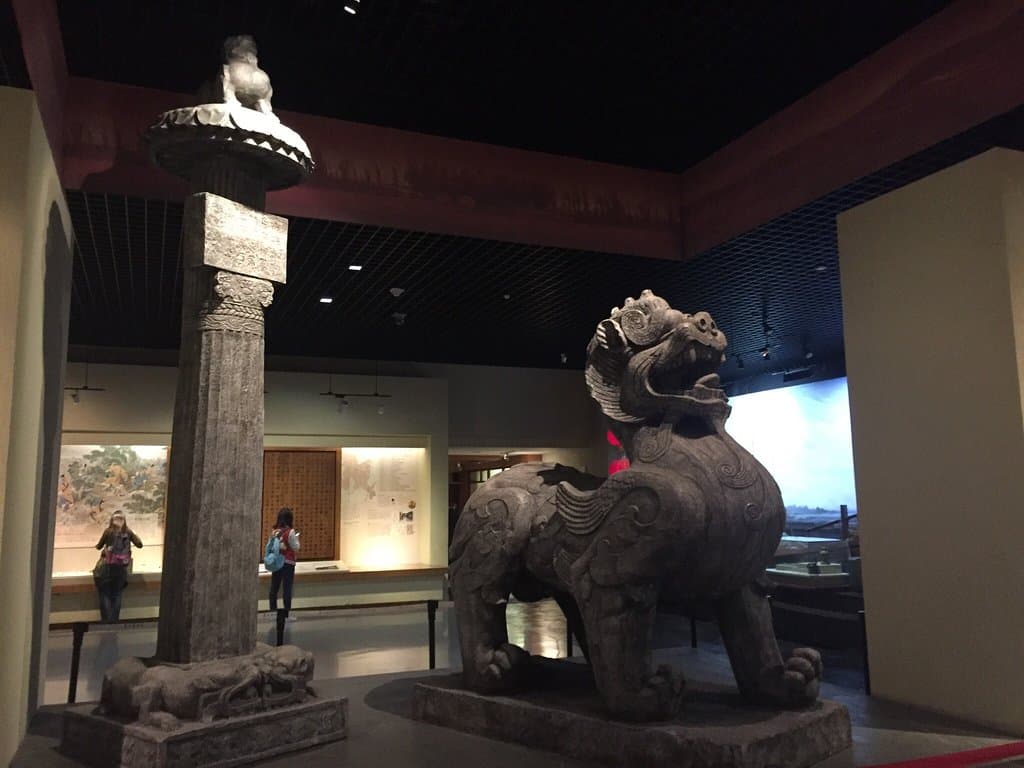
One of the museum's strengths lies in its ability to connect the past with the present. Through its collections, you gain an understanding of the cultural foundations that have shaped Wujin into what it is today. It’s a place where you can truly immerse yourself in the local heritage, learning about the people, their customs, and their contributions to the broader Chinese civilization. The museum serves as a vital repository of local memory and identity.
Immersing in Local Folk Culture
Experiencing these folk culture exhibits is like stepping back in time. It allows visitors to appreciate the ingenuity and artistry of the local people, understanding their connection to the land and their community. The museum aims to preserve and promote these traditions, ensuring that the rich cultural heritage of Wujin is passed down to future generations. It’s an opportunity to gain a deeper appreciation for the human stories behind the historical narratives.


Social
from TikTok, Instagram & Reddit