Ahu Hanga Poukura Easter Island
A poignant Easter Island site featuring fallen moai, offering a unique glimpse into the island's past and a serene coastal vista.
Highlights
Must-see attractions

Social
From TikTok & Reddit
Best Time
Best light for photos
Ahu Hanga Poukura Easter Island
Best Time
Best light for photos
Highlights
Must-see attractions
A poignant Easter Island site featuring fallen moai, offering a unique glimpse into the island's past and a serene coastal vista.
"A magical place with a wonderful view, the Aringa ora or te tu puna moai and Pukao."
🚶♀️ Respect the Moai
Do not climb on the moai or structures. Admire them from a distance to preserve this sacred site.
🗺️ Hire a Local Guide
Enhance your visit with a guide for historical context and deeper appreciation.
Highlights
Discover the most iconic attractions and experiences
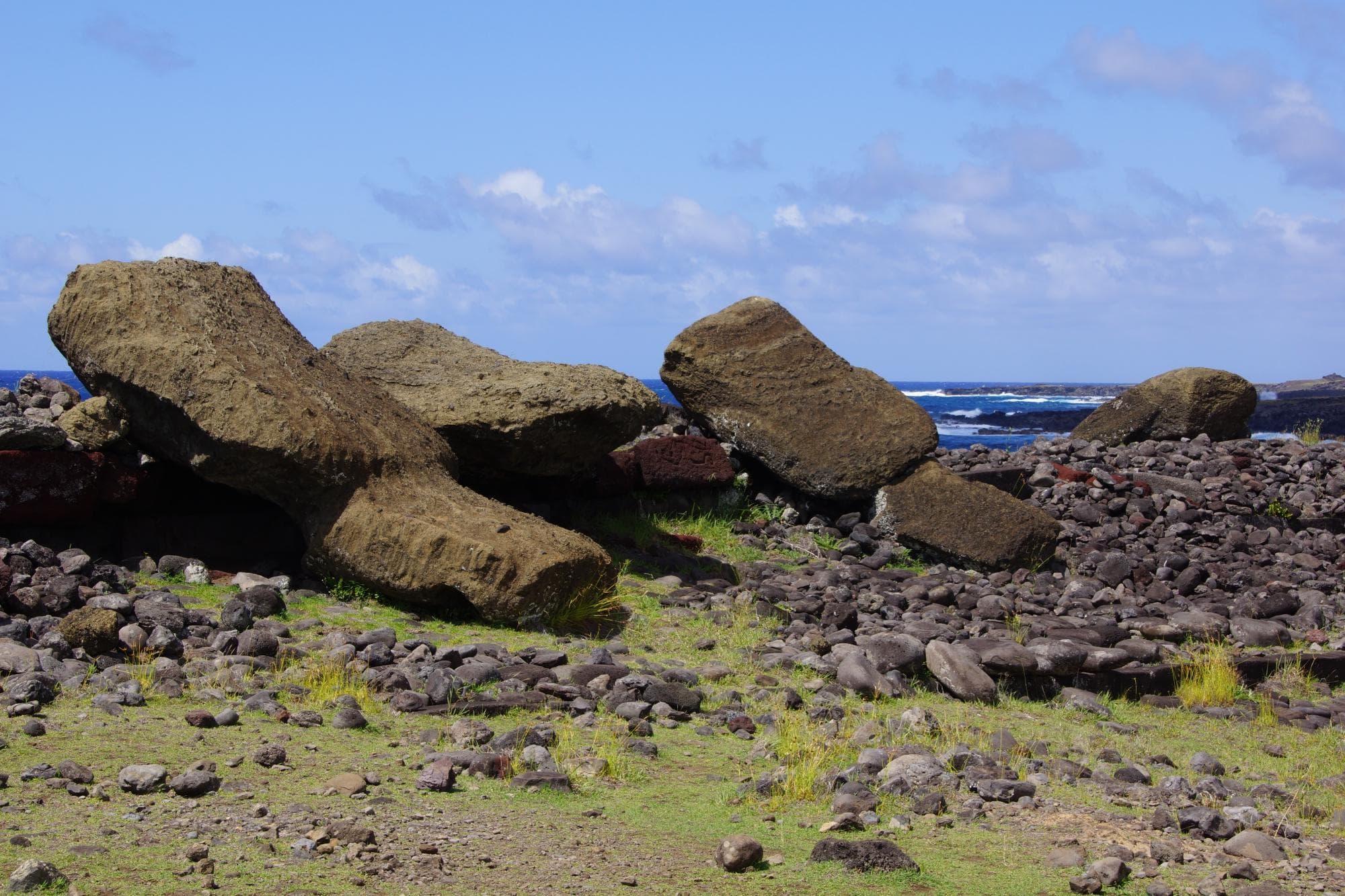
Fallen Moai
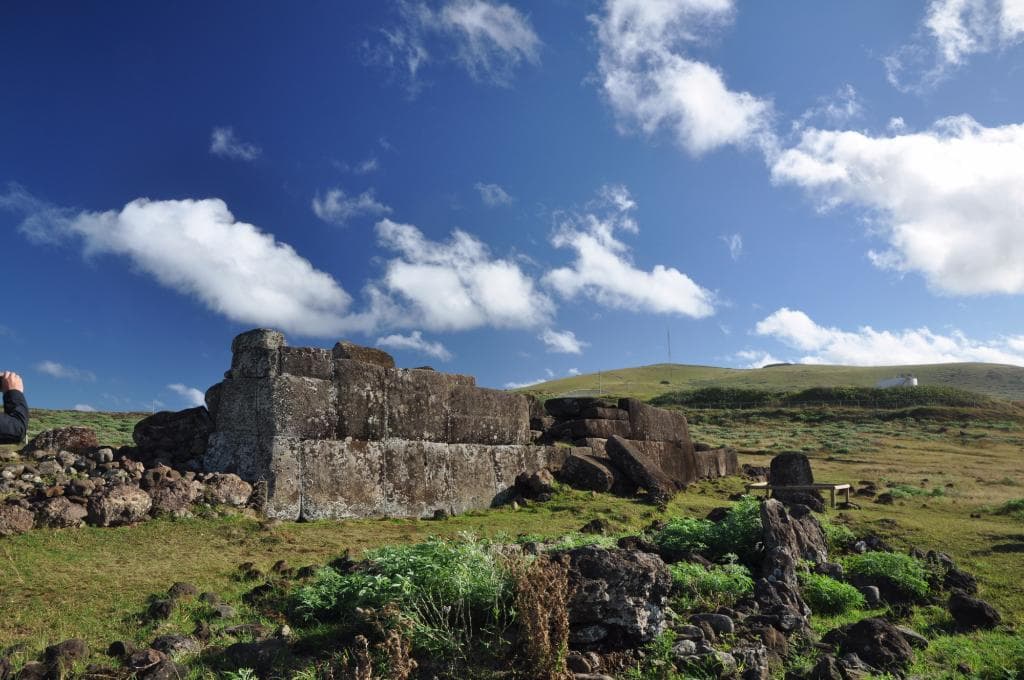
The main ahu
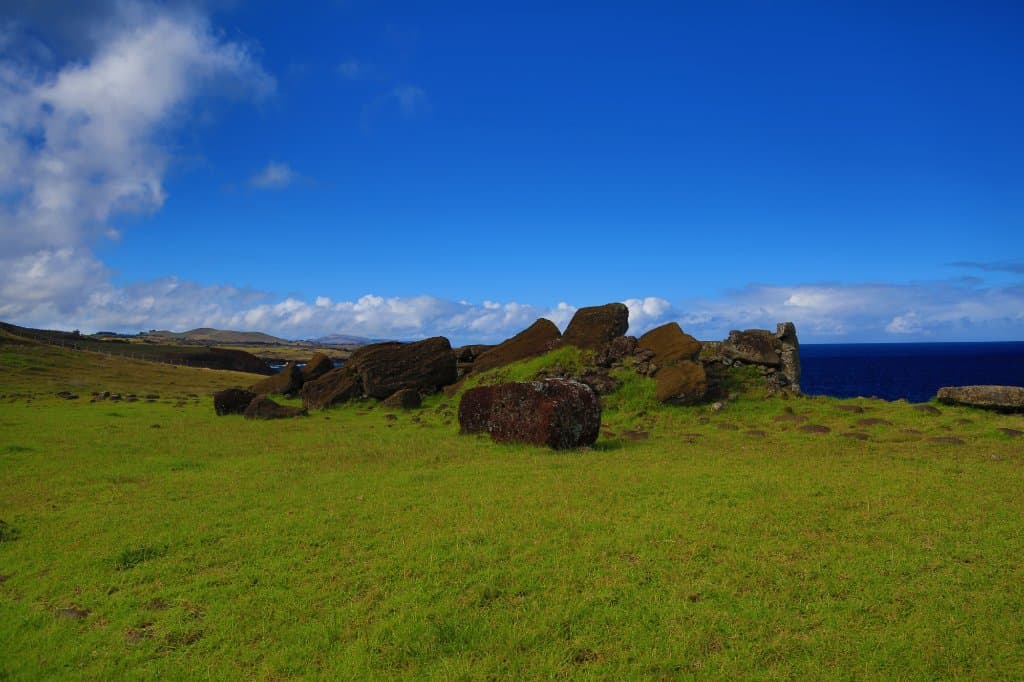
Witness the powerful sight of moai lying on their faces, their backs visible amongst the grass, a poignant reminder of past events.
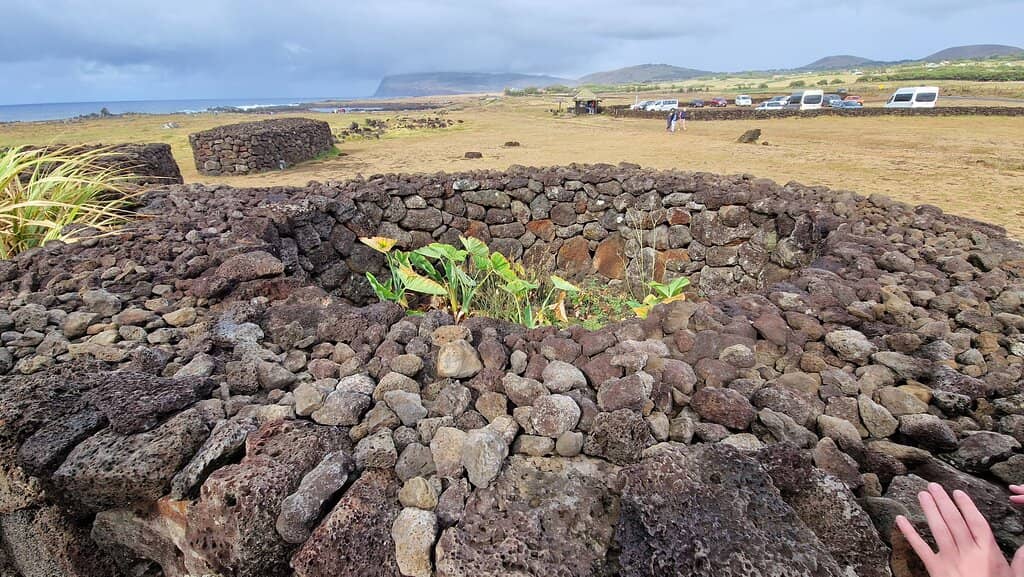
Pukao and Aringa Ora
Near the moai
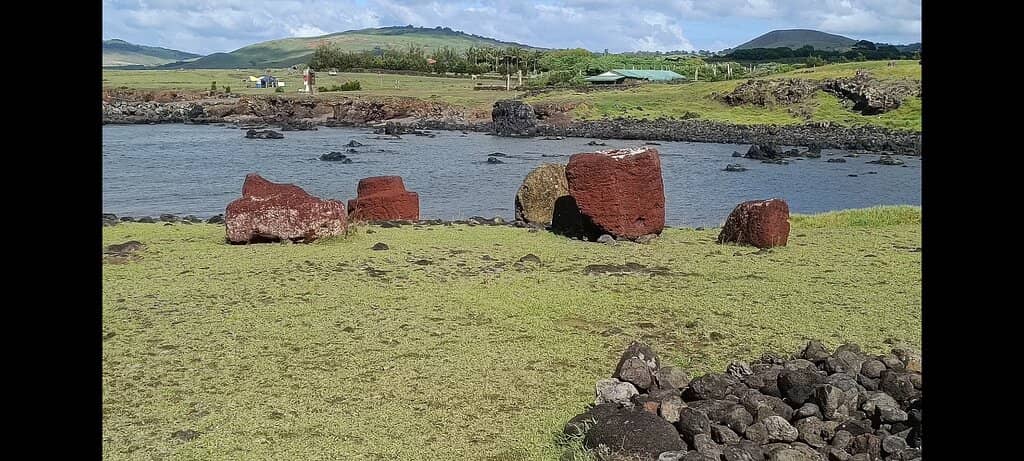
Discover the unique Pukao (topknots) and the spiritual 'Aringa Ora' (living faces) that add layers of meaning to this ancient site.
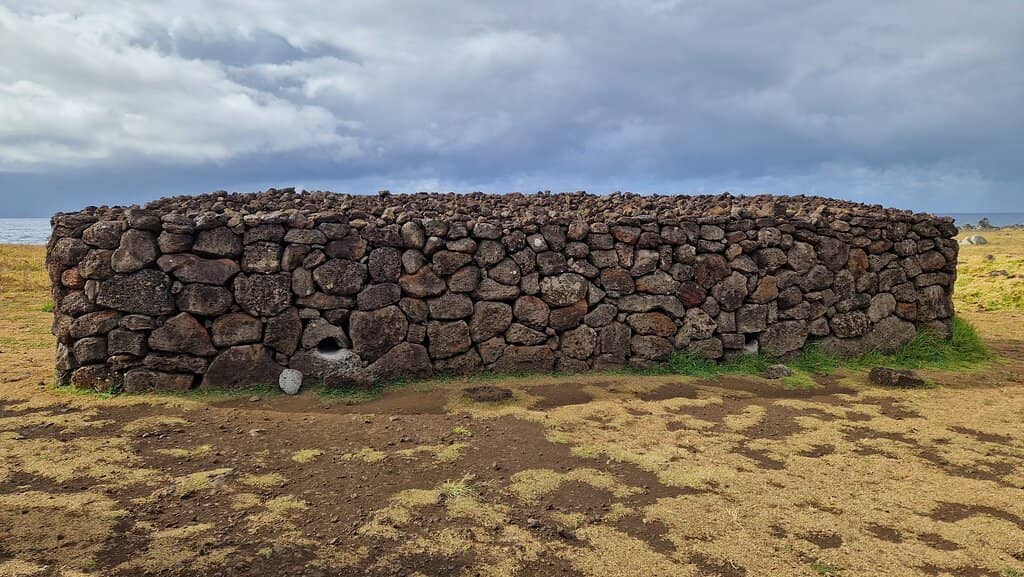
Panoramic Views
Overlooking the coast
Enjoy breathtaking vistas of the Rapa Nui coastline from this elevated and historically rich location.
Plans like a pro.
Thinks like you
Planning Your Visit
Respect the Sacred Site
Embrace the Remote Experience
Best Times
Insider Tips
from TikTok, Instagram & Reddit
🚶♀️ Respect the Moai
Do not climb on the moai or structures. Admire them from a distance to preserve this sacred site.
🗺️ Hire a Local Guide
Enhance your visit with a guide for historical context and deeper appreciation.
💧 Come Prepared
There are no facilities at Ahu Hanga Poukura, so bring water and any essentials you might need.
👟 Wear Comfortable Shoes
The terrain can be uneven, so sturdy footwear is recommended for exploring the site.
Tips
from all over the internet
🚶♀️ Respect the Moai
Do not climb on the moai or structures. Admire them from a distance to preserve this sacred site.
🗺️ Hire a Local Guide
Enhance your visit with a guide for historical context and deeper appreciation.
💧 Come Prepared
There are no facilities at Ahu Hanga Poukura, so bring water and any essentials you might need.
👟 Wear Comfortable Shoes
The terrain can be uneven, so sturdy footwear is recommended for exploring the site.
What Travellers Say
Reviews Summary
Visitors find Ahu Hanga Poukura to be a poignant and less-traveled site, offering a unique perspective with its fallen moai. While some expected more, the historical and visual impact is significant, especially when explored with a local guide. The lack of facilities is noted, but the serene atmosphere and stunning views are highly appreciated.
"This is nothing at all like Alabama. I was thinking it was Alabama. This isn't what I expected. But it is nice and pretty and family trees here fork. They are a different people."
Natasha E.
"Another Ahu worth visiting. A lot of the Moais lie on their faces in the grass and only their backs can be seen."
Till K
"It is open to visit without a guide, remember to respect and not climb the structures, there are no facilities for assistance"
Aleja
What People Like
What People Dislike
Frequently Asked Questions
🚇 🗺️ Getting There
Ahu Hanga Poukura is located on the eastern coast of Easter Island. It's best accessed by car or by hiring a taxi. While some visitors explore independently, many recommend going with a local guide who can arrange transportation and provide invaluable insights into the site's history and significance.
Ahu Hanga Poukura is situated a considerable distance from the main town of Hanga Roa, requiring dedicated travel time. It's part of a broader exploration of the island's archaeological wonders, often visited in conjunction with other ahu and sites.
Yes, you can visit Ahu Hanga Poukura independently. However, as it's a less-traveled area, having a local guide can significantly enrich the experience by explaining the cultural and historical context of the moai and the ahu.
🎫 🎫 Tickets & Entry
While specific entry fees for Ahu Hanga Poukura itself might not be as strictly enforced as at Rapa Nui National Park's main attractions, it's generally advisable to have your Rapa Nui National Park entrance ticket. This ticket is required for most archaeological sites on the island.
Ahu Hanga Poukura is an open-air archaeological site and does not have set opening or closing hours in the traditional sense. However, it is best visited during daylight hours for safety and to appreciate the moai and surroundings.
No, there are no facilities such as restrooms, water fountains, or visitor centers at Ahu Hanga Poukura. Visitors are advised to come prepared with their own water and any other necessities.
🎫 🗿 Onsite Experience
Ahu Hanga Poukura is known for its fallen moai, many of which lie face down in the grass, offering a unique and poignant perspective on the island's history. The site also features Pukao and the 'Aringa Ora' (living faces), adding to its mystique.
It is strictly forbidden to touch or climb on the moai or any of the structures at Ahu Hanga Poukura. Respecting these ancient artifacts is crucial for their preservation.
Comfortable walking shoes are essential as the terrain can be uneven. Given the island's climate, light, breathable clothing is recommended, along with sun protection like a hat and sunscreen.
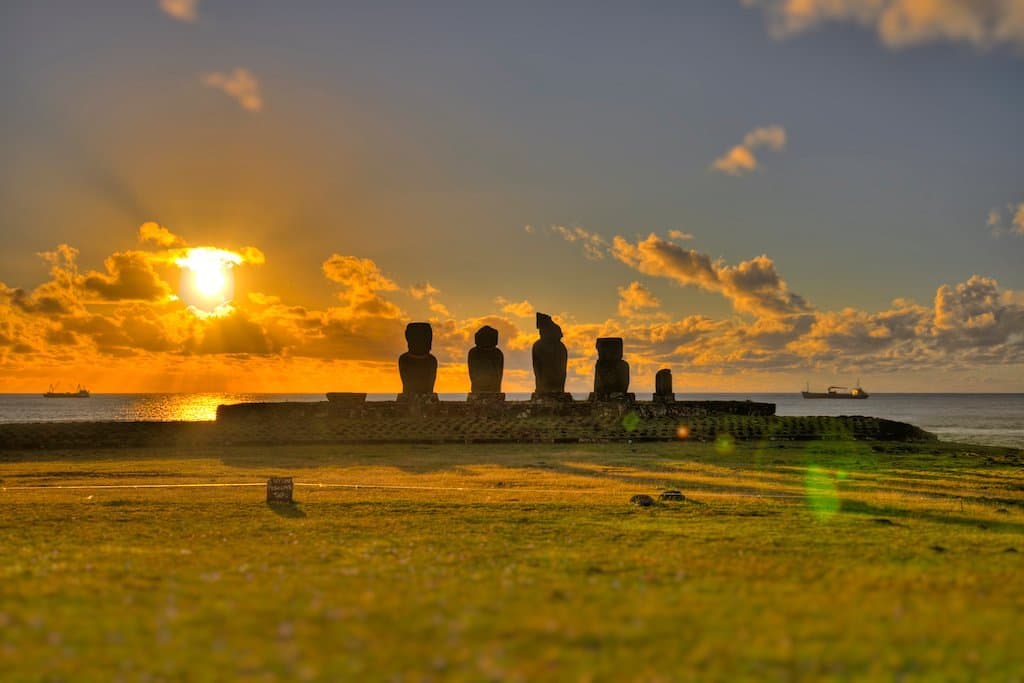
Yes, Ahu Hanga Poukura offers dramatic photographic opportunities, especially with the fallen moai and the coastal backdrop. Visiting during the golden hours of sunrise or sunset can enhance the visual impact.
For Different Travelers
Tailored advice for your travel style
👨👩👧 Families with Kids
🚶♀️ Solo Travelers & Adventurers
Deep Dives
In-depth insights and expert knowledge
The Significance of Ahu Hanga Poukura
Beyond the fallen moai, Ahu Hanga Poukura also features elements like the Pukao, the red scoria topknots that once adorned some statues, and the concept of 'Aringa Ora' or 'living faces.' These details, often explained by local guides, add depth to the visitor's understanding, revealing the complex cosmology and artistry of the Rapa Nui culture. The remote location contributes to its serene atmosphere, making it a place for quiet reflection and a deeper connection with the island's ancient past.
Exploring Responsibly
Furthermore, it's important to leave no trace. This means taking all your trash with you, not disturbing the natural environment, and being mindful of noise levels. The Rapa Nui culture is deeply spiritual, and maintaining a quiet, contemplative atmosphere is part of showing respect. Engaging with local guides not only enhances your understanding but also supports the local community and ensures that traditional knowledge is passed down responsibly.


Social
from TikTok, Instagram & Reddit