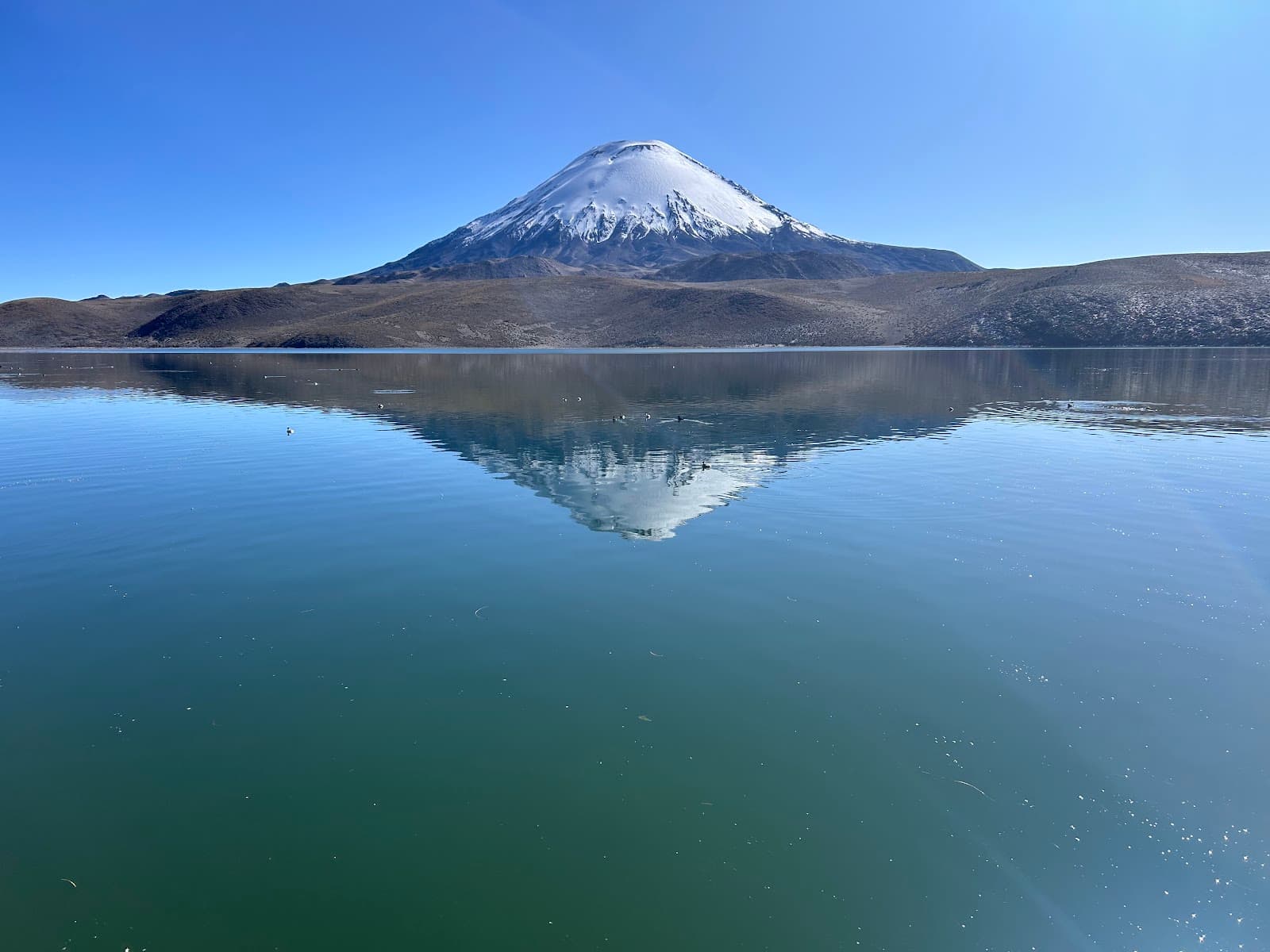
Mirador del Volcán Parinacota
Witness the majestic Volcán Parinacota and the serene Lago Chungará at one of the world's highest viewpoints. A geological marvel.
Highlights
Must-see attractions

Social
From TikTok & Reddit
Best Time
Clearer skies for volcano views
Mirador del Volcán Parinacota
Best Time
Clearer skies for volcano views
Highlights
Must-see attractions
Witness the majestic Volcán Parinacota and the serene Lago Chungará at one of the world's highest viewpoints. A geological marvel.
"Probably the most evocative place in the far north of Chile. Parinacota is majestic."

Acclimatize in Putre First
Spend 1-2 days in Putre to adjust to the altitude before visiting. Drink water! :athletic_shoe:
Pack Layers for All Weather
Altiplano weather changes fast. Bring sun protection, windbreaker, and warm layers. :cloud:

Highlights
Discover the most iconic attractions and experiences
Volcán Parinacota
Parque Nacional Lauca
A majestic, perfectly conical stratovolcano offering breathtaking views. Its geological history is fascinating.
 +1
+1Lago Chungará
Parque Nacional Lauca
One of the highest navigable lakes in the world, reflecting the surrounding volcanoes.

Volcán Pomerape
Border of Chile and Bolivia
Twin volcano to Parinacota, creating a dramatic 'Frontera de Fuego' landscape.
Plans like a pro.
Thinks like you
Planning Your Visit
Altitude Acclimatization is Key
Weather Can Change Rapidly
Best Times
Insider Tips
from TikTok, Instagram & Reddit
Acclimatize in Putre First
Spend 1-2 days in Putre to adjust to the altitude before visiting. Drink water! :athletic_shoe:
Pack Layers for All Weather
Altiplano weather changes fast. Bring sun protection, windbreaker, and warm layers. :cloud:
Consider a Guided Tour
Tours from Arica or Putre offer transport, guides, and scenic stops. :bus:
Bring Binoculars
Spot wildlife like flamingos and vicuñas in the distance. :binoculars:
Tips
from all over the internet
Acclimatize in Putre First
Spend 1-2 days in Putre to adjust to the altitude before visiting. Drink water! :athletic_shoe:
Pack Layers for All Weather
Altiplano weather changes fast. Bring sun protection, windbreaker, and warm layers. :cloud:
Consider a Guided Tour
Tours from Arica or Putre offer transport, guides, and scenic stops. :bus:
Bring Binoculars
Spot wildlife like flamingos and vicuñas in the distance. :binoculars:
What Travellers Say
Reviews Summary
Visitors are captivated by the majestic beauty of Volcán Parinacota and Lago Chungará, calling it one of the most evocative places in northern Chile. The unique geological history and stunning reflections are frequently praised. However, the extreme altitude requires careful acclimatization, and cloudy weather can unfortunately obscure the views.
"Probably the most evocative place in the far north of Chile. Parinacota is majestic, and its incredible geological history makes the landscape even more fascinating. It's incredible to see the remnants of the 7,000-year-old eruption still on the surrounding soil and the lagoon split in two. Unmissable."
Aurelio Mauro
"It is clean, there are boundaries so that no one can pass, it has a beautiful view of the lake and volcanoes."
Luis Daniel
"Wonderful, beautiful view and quiet, be careful with the Puna."
Luis Tapia
What People Like
What People Dislike
Frequently Asked Questions
🚇 🗺️ Getting There
The most common way is to take a guided tour from Arica or Putre. These tours typically include transportation and stops at key viewpoints. Driving yourself is possible but requires a 4x4 vehicle and careful navigation.
While possible, it's challenging. You'll need a reliable 4x4 vehicle and be comfortable with high-altitude driving. Tours offer convenience and local knowledge, making them a popular choice.
Most visitors opt for organized tours from Arica, which usually take a full day and include stops at Parque Nacional Lauca and other scenic spots.
The journey from Arica to the Mirador can take around 3-4 hours one way, depending on the tour and stops. From Putre, it's closer, about 1-1.5 hours.
Public transport directly to the Mirador is very limited. Organized tours are the most practical and widely used method for reaching this remote location.
🎫 🎫 Tickets & Entry
Entry to Parque Nacional Lauca, where the Mirador is located, typically requires a park entrance fee. This is often included in tour packages.
The park is generally accessible during daylight hours. However, it's best to confirm specific access times with your tour operator or local authorities, as conditions can vary.
The Mirador is within Parque Nacional Lauca, so the park entrance fee covers access. There isn't a separate fee specifically for the viewpoint.
If you're booking a tour, it's advisable to book in advance, especially during peak travel seasons, to secure your spot.
Visitors should be aware of the high altitude and potential for altitude sickness. Respect park rules and stay on designated paths.
🎫 🏞️ Onsite Experience
You'll witness the stunning Volcán Parinacota, Lago Chungará, and the surrounding altiplano landscape. It's a prime spot for photography and appreciating the raw beauty of the Andes.
The Mirador itself is generally accessible, but the high altitude can be challenging. Visitors with mobility issues should consult their tour operator about specific accessibility.
Early mornings often offer clearer skies and softer light for photography. However, afternoons can also be beautiful as the sun illuminates the volcanoes.
Restroom facilities are typically basic and may not be available at every single viewpoint. Tours usually make stops where facilities are available.
Dress in layers! Include a warm jacket, hat, gloves, sunglasses, and sunscreen. Comfortable walking shoes are essential.
📸 📸 Photography
The Mirador itself offers iconic shots of Volcán Parinacota and Lago Chungará. Look for reflections in the lake and the dramatic twin peaks of Parinacota and Pomerape.
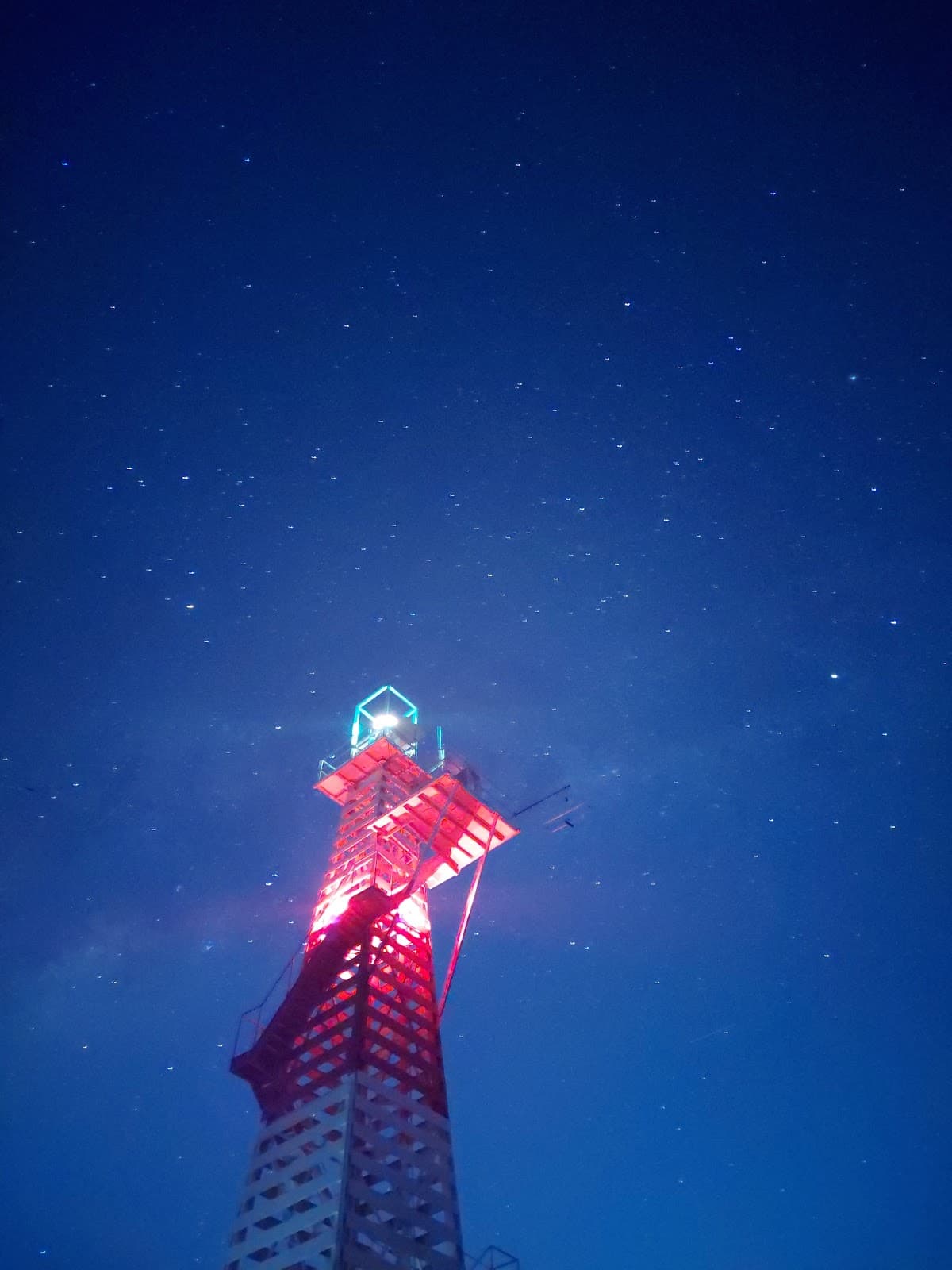
Yes, the remote location and high altitude make it an excellent spot for astrophotography, especially during clear nights.
A wide-angle lens is great for landscapes, while a telephoto lens can capture details of the volcanoes and wildlife. A sturdy tripod is essential for astrophotography. :camerawithflash:
Generally, photography is allowed, but always respect signage and avoid disturbing wildlife or the natural environment.
The dry season (roughly May to October) offers more consistent clear skies, ideal for landscape and astrophotography.
For Different Travelers
Tailored advice for your travel style
👨👩👧 Families with Kids
Consider booking a guided tour that includes frequent stops and allows for flexibility. While the views are spectacular, the primary focus for families might be on the journey and the unique altiplano environment rather than extensive hiking. Pack plenty of snacks and warm clothing, as children can be more susceptible to the cold and altitude.
🚶♀️ Solo Travelers
If you prefer independence, ensure you have a reliable 4x4 vehicle and are comfortable with high-altitude driving and navigation. Always inform someone of your itinerary and expected return time. The stunning scenery and the sense of remoteness can be incredibly rewarding for solo adventurers.
📸 Photography Enthusiasts
+1Bring your best lenses, including wide-angle and telephoto, and a tripod for those breathtaking night sky shots. The 'Frontera de Fuego' with Volcán Pomerape is another must-have composition.
Be prepared for rapidly changing light and weather conditions. :camerawithflash:Deep Dives
In-depth insights and expert knowledge
Understanding the Volcanic Landscape
The landscape is further enhanced by the presence of Lago Chungará, one of the highest lakes in the world. This pristine body of water often mirrors the majestic volcanoes, creating breathtaking photographic opportunities. The lagoon's unique characteristic of being split into two parts adds to its mystique.
Adjacent to Parinacota is the equally impressive Volcán Pomerape, forming a striking pair often referred to as the 'Frontera de Fuego' (Fire Frontier). This duo creates an unforgettable panorama, especially when viewed together from specific vantage points.
Navigating the Altiplano's Altitude
Key strategies for acclimatization include staying hydrated by drinking plenty of water, avoiding alcohol and heavy meals, and getting plenty of rest. Symptoms of altitude sickness can include headaches, nausea, dizziness, and fatigue. If symptoms worsen, descending to a lower altitude is crucial.
When at the Mirador, move slowly and deliberately. Even short walks can feel strenuous. Being prepared with appropriate clothing layers is also important, as the temperature can fluctuate dramatically throughout the day, from sunny warmth to biting cold.
Capturing the Majestic Scenery
+1For landscape shots, a wide-angle lens is highly recommended to capture the vastness of the altiplano and the grandeur of the volcanoes. If you're interested in wildlife, such as the flamingos that inhabit the area, a telephoto lens will be invaluable. Don't forget a sturdy tripod, especially if you plan on capturing the incredible Milky Way visible in the clear, dark skies – a truly magical experience for astrophotographers.
Be mindful of the changing light conditions. Early mornings and late afternoons often provide the most dramatic lighting for your shots. The 'Frontera de Fuego' view, showcasing both Parinacota and Pomerape, is a must-capture moment.
Remember to protect your gear from dust and the elements, and always be respectful of the natural environment. :camerawithflash: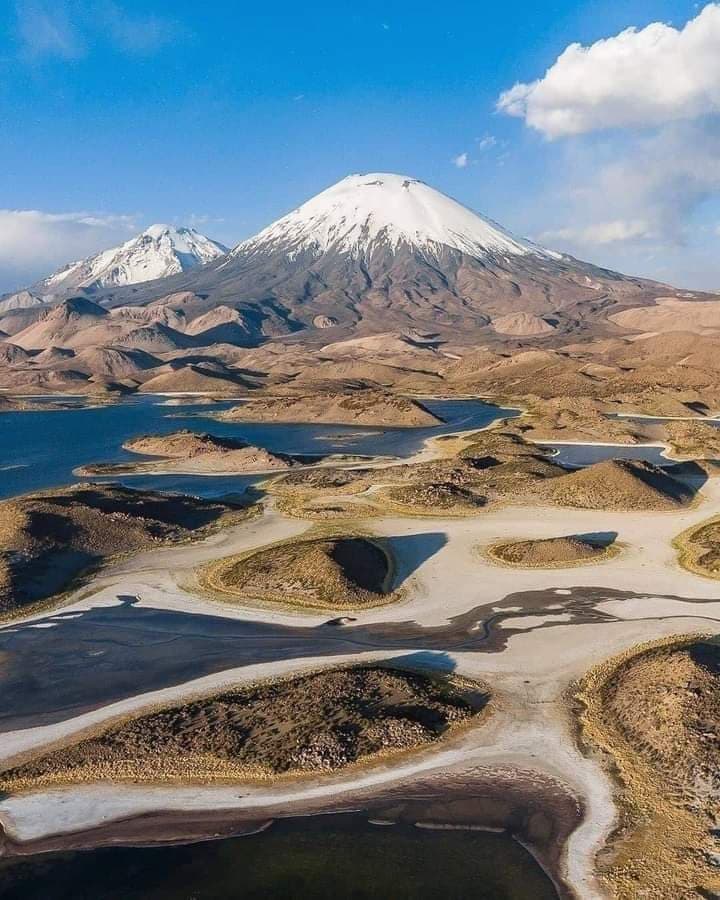

Social
from TikTok, Instagram & Reddit