Northern Lights Toronto
Witness the rare and magical Northern Lights dance across the skies near Toronto, a celestial spectacle requiring clear skies and dark locations.
Highlights
Must-see attractions

Social
From TikTok & Reddit
Best Time
Essential for aurora visibility
Northern Lights Toronto
Best Time
Essential for aurora visibility
Highlights
Must-see attractions
Witness the rare and magical Northern Lights dance across the skies near Toronto, a celestial spectacle requiring clear skies and dark locations.
"Absolutely loved Northern Lights! This is a perfect spot to take your family, kids, etc. to enjoy an evening of lights, holiday magic, and of course Santa!"
Check Aurora Forecasts
Use apps like My Aurora Forecast to predict visibility. :iphone:
Bundle Up!
Toronto nights can be chilly, especially near the water. Dress warmly. :snowflake:
Highlights
Discover the most iconic attractions and experiences
Dancing Aurora Over the Skyline
Darker outskirts of Toronto
Witness the magical aurora borealis paint the night sky with vibrant colors, a rare treat above the city.
Clear Sky Viewing Spots
Areas north of Toronto
Escape city lights for a more immersive experience of the aurora's celestial dance.
Plans like a pro.
Thinks like you
Planning Your Visit
Timing is Everything for Aurora Hunting
Location, Location, Location!
Best Times
Insider Tips
from TikTok, Instagram & Reddit
Check Aurora Forecasts
Use apps like My Aurora Forecast to predict visibility. :iphone:
Bundle Up!
Toronto nights can be chilly, especially near the water. Dress warmly. :snowflake:
Head North for Darker Skies
Escape light pollution for a better view. :city_sunrise:
Patience is a Virtue
Sightings are rare and can be brief. Be prepared to wait. :hourglass:
Tips
from all over the internet
Check Aurora Forecasts
Use apps like My Aurora Forecast to predict visibility. :iphone:
Bundle Up!
Toronto nights can be chilly, especially near the water. Dress warmly. :snowflake:
Head North for Darker Skies
Escape light pollution for a better view. :city_sunrise:
Patience is a Virtue
Sightings are rare and can be brief. Be prepared to wait. :hourglass:
Capture the Moment
Use a tripod and manual camera settings for best results. :camera:
What Travellers Say
Reviews Summary
Reviews for 'Northern Lights' in Toronto consistently praise its festive atmosphere, abundant lights, and engaging holiday activities. Visitors highlight the personal touches like the Wish Tree and the abundance of photo opportunities, making it a highly recommended Christmas experience for families and adults alike. Some mention the cold near the water, advising guests to dress warmly.
"Northern Lights was all I could have dreamed of and more. As a HUGE Christmas fan, it delivered everything you want in a holiday experience: oodles of lights, delicious mulled wine, giant present (like, huge - literally 3 feet tall), and TONS of Christmas trees. I also really loved the Wish Tree idea, where you get the chance to write down a holiday wish and share it with everyone else. These types of touches made the experience more personal than a classic holiday lights display, and I hope they continue to design experiences like this in the future. 10/10, would definitely recommend."
Kirsten Burkard
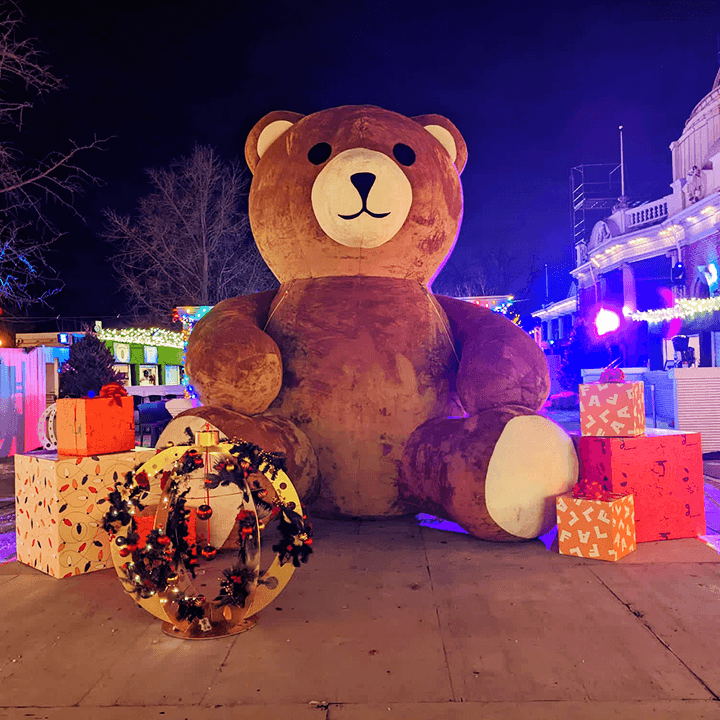
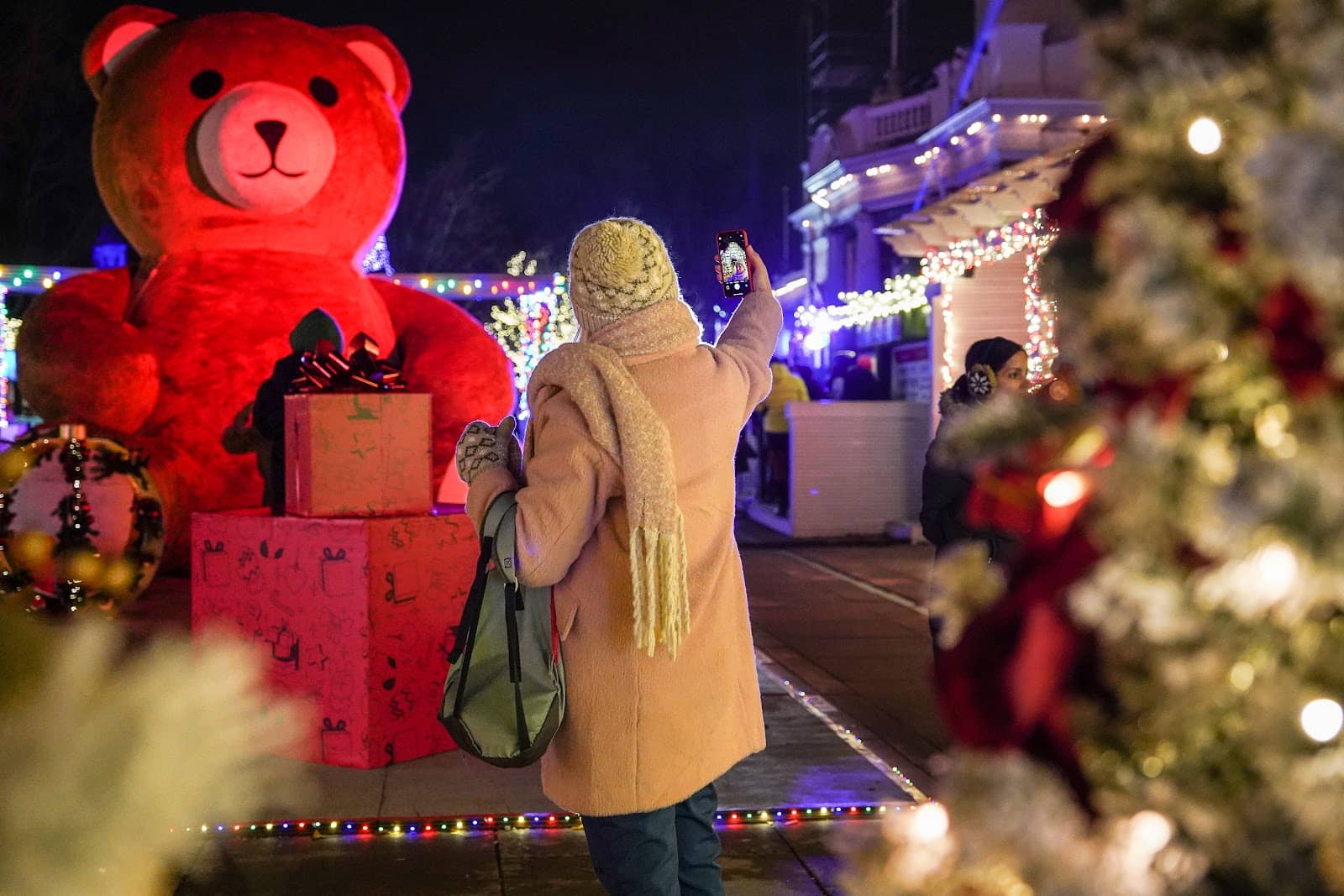
"Northern lights was awesome!! We got some fantastic holiday pictures and enjoyed a few yummy beverages with some Mac & cheese by the fire. I absolutely loved the giant teddy bear for a fun photo opp experience. Highly recommend this event if you are looking for a fun holiday activity with friends or family."
courtney zahara
"So much fun for adults and kids. Great drinks and grub for everyone. No Santa line up. Yeah! Fun memories for the holiday season! Will be back for a non kids adventure…"
Jeff Rogers
What People Like
What People Dislike
Frequently Asked Questions
🚇 🗺️ Getting There
Driving is your best bet to reach darker viewing locations outside the city. Consider heading north towards areas like Algonquin Park or smaller towns with less light pollution. Carpooling or joining a guided tour can also be options if you don't have a vehicle.
Public transport within Toronto is extensive, but it won't take you to the dark sky locations needed for optimal aurora viewing. You'd likely need to combine GO Transit with a taxi or rideshare to get further out, which can be costly and time-consuming.
While rare sightings can occur directly over Toronto, for a more reliable and vibrant display, aim for at least an hour or two drive north of the city to escape significant light pollution.
Yes, it's possible, but rare! On nights with very strong solar activity, the aurora borealis can sometimes be visible even with Toronto's light pollution. Keep an eye on aurora forecast apps.
Consider areas north of the GTA, such as the Kawartha Lakes region or even further north towards Muskoka. These locations offer darker skies and a better chance of seeing the aurora.
🎫 🎫 Tickets & Entry
No, seeing the Northern Lights is a natural phenomenon and does not require tickets. However, if you are visiting a specific park or conservation area for viewing, there might be entry fees or parking charges.
While not common, occasional events might be organized by astronomy clubs or local organizations. It's best to check local event listings and astronomy group websites for any upcoming aurora-related gatherings.
The best times are during clear, dark nights, ideally between 10 PM and 3 AM. Geomagnetic storms significantly increase your chances. Always check aurora forecast apps.
The aurora borealis itself is free to view. However, if you drive to a provincial park or a designated dark sky preserve, there might be associated entrance or parking fees.
Yes, some tour operators offer guided trips from Toronto specifically for aurora hunting. These tours often take you to prime viewing locations and may include transportation and expert guidance.
📸 📸 Photography
Use a tripod for stability. Set your camera to manual mode with a wide aperture (f/2.8 or lower), a high ISO (1600-6400), and a shutter speed of 10-30 seconds. Experiment to find the best balance.
A wide-angle lens with a fast aperture (low f-number) is highly recommended to capture more of the sky and gather sufficient light. Lenses with apertures of f/2.8 or wider are ideal.
The best way is to drive away from the city center to darker areas. If shooting from the outskirts, try to position yourself so that city lights are behind you or blocked by terrain.
While auroras can occur year-round, the best viewing and photography conditions are during the darker months, from late autumn to early spring (September to March), when nights are longer and clearer.
Some newer smartphones with advanced camera features and night modes can capture decent aurora photos. However, for the best results, a DSLR or mirrorless camera with manual controls is preferred.
For Different Travelers
Tailored advice for your travel style
👨👩👧 Families with Kids
If you're venturing out on your own, ensure you have warm clothing, blankets, and snacks. The best viewing times are often late at night, so be prepared for tired children. Choosing a location that's not too far from the city can also help manage travel time. Remember to check aurora forecasts diligently and have a backup plan in case the lights don't appear.
🌌 Amateur Astronomers & Photographers
Invest in a sturdy tripod and a camera with good low-light performance. Experiment with manual settings for long exposures, wide apertures, and high ISO to capture the subtle colors and movements of the aurora. Don't forget to pack extra batteries, as cold weather can drain them quickly.
Deep Dives
In-depth insights and expert knowledge
Understanding Aurora Visibility in Toronto
To maximize your chances, it's crucial to monitor aurora forecast apps and websites that predict geomagnetic activity. When a strong forecast is issued, your best bet is to travel away from the city's light dome. Areas to the north, such as the Muskoka region or smaller towns outside the GTA, offer significantly darker skies and a much higher probability of witnessing a spectacular display.
Remember that seeing the aurora is never guaranteed. It requires a combination of strong solar activity, clear skies, and minimal light interference. Patience and a bit of luck are essential components of a successful aurora hunt near Toronto.
Best Practices for Aurora Photography
Experiment with your ISO and shutter speed. A good starting point is an ISO between 1600 and 6400, and a shutter speed of 10 to 30 seconds. Longer exposures can capture more light but may result in star trails or motion blur if the aurora is moving rapidly. Review your shots and adjust settings as needed.
When shooting near Toronto, minimizing light pollution is key. Position yourself with the city lights behind you or use natural terrain to block them. A wide-angle lens is also beneficial for capturing the vastness of the aurora-filled sky.
Social
from TikTok, Instagram & Reddit