
K’ómoks Estuary
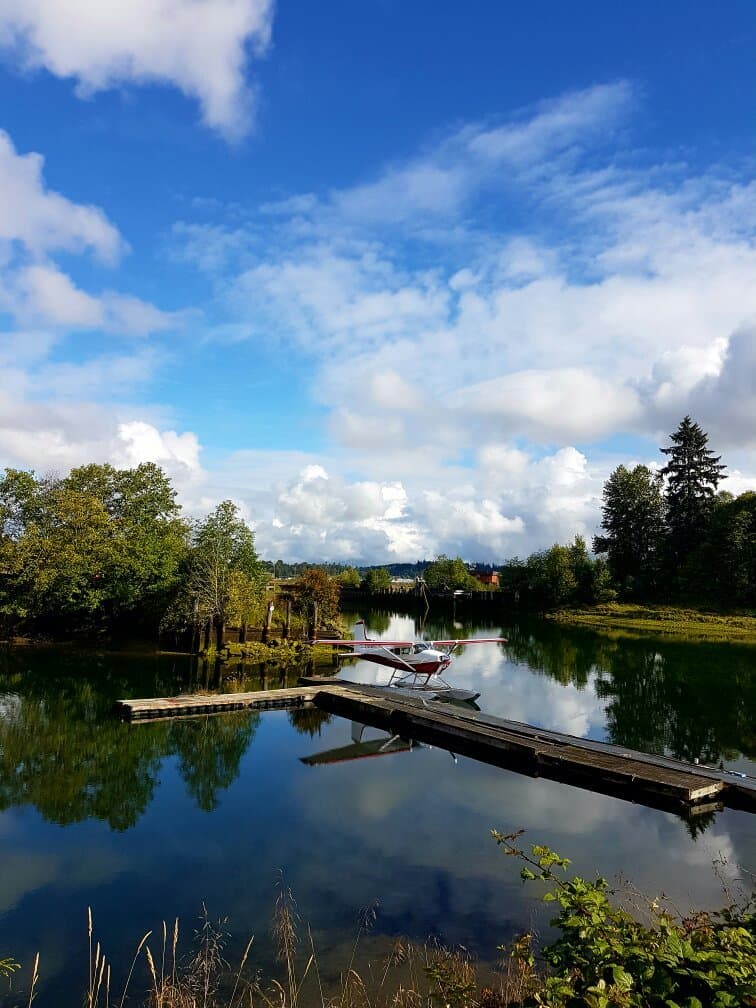
A vital ecological and cultural hub on Vancouver Island, rich in birdlife and Indigenous heritage.
Highlights
Must-see attractions

Social
From TikTok & Reddit
Best Time
Peak bird migration
K’ómoks Estuary
Best Time
Peak bird migration
Highlights
Must-see attractions
A vital ecological and cultural hub on Vancouver Island, rich in birdlife and Indigenous heritage.
"A haven for wildlife and a place of deep cultural significance for the K'ómoks First Nation."

Binoculars are a must! 🔭
Enhance your wildlife viewing experience, especially for birdwatching in the estuary.
Respect Indigenous Culture 🙏
Be mindful of K'ómoks First Nation heritage and traditions when visiting.

Highlights
Discover the most iconic attractions and experiences
K'ómoks First Nation Cultural Significance
Various locations within the estuary region
Experience the rich heritage of the K'ómoks people through art, music, and traditional practices.
Abundant Birdlife
Estuary wetlands and shorelines
A haven for migratory birds; bring binoculars for an unforgettable avian spectacle.

Marine Mammal Sightings
Estuary waters and surrounding coast
Keep an eye out for seals, sea lions, and potentially even whales in the nutrient-rich waters.
Plans like a pro.
Thinks like you
Planning Your Visit
Respectful Visitor Etiquette
Best Viewing & Wildlife Spotting
Best Times
Insider Tips
from TikTok, Instagram & Reddit
Binoculars are a must! 🔭
Enhance your wildlife viewing experience, especially for birdwatching in the estuary.
Respect Indigenous Culture 🙏
Be mindful of K'ómoks First Nation heritage and traditions when visiting.
Leave No Trace 🌳
Pack out everything you pack in to preserve the natural beauty of the estuary.
Check tide charts 🌊
Tides can significantly impact accessibility and wildlife viewing opportunities.
Tips
from all over the internet
Binoculars are a must! 🔭
Enhance your wildlife viewing experience, especially for birdwatching in the estuary.
Respect Indigenous Culture 🙏
Be mindful of K'ómoks First Nation heritage and traditions when visiting.
Leave No Trace 🌳
Pack out everything you pack in to preserve the natural beauty of the estuary.
Check tide charts 🌊
Tides can significantly impact accessibility and wildlife viewing opportunities.
What Travellers Say
Reviews Summary
Visitors praise the K'ómoks Estuary for its stunning natural beauty and abundant wildlife, particularly its rich birdlife. The area offers a peaceful escape and opportunities for photography and quiet contemplation. Some reviews mention the cultural significance of the K'ómoks First Nation, though direct visitor access to cultural sites can be limited.
"The komoks First Nation health clinic and their “headquarters” take advantage of people that are not part of their group. A warning to anyone doing business with either establishment 1) they will not honour any contract you have with them. 2) they expect you to do things above and beyond for them with nothing in return.3) they NEVER pay contractors on time. So a word for those people looking to do business or if they are asked to do business for them… RUN far away! Take my warning seriously or you just might end up being taken advantage of by their greedy and entitled business practices. You’ll all thank me later when you are not the ones taken advantage of."
Jay White
"The pics are of the K'ómoks Aboriginal Days June 21
Taken at Comox BC Canada on Vancouver Island north of Nanaimo.The building we are in is a traditional dwelling and this is a celebration day for the K'ómoks of their songs and drummers dances.We enjoyed some their traditional food.Some of which was wild Sockeye salmon roasted over a open fire and served with a bread like called bannock,cooked fresh on site.The name K'ómoks and Comox,leave it to the white man to try and change the aboriginal name and decided to anglicize the location and called the area Comox.
The aboriginals said no we are K'ómoks.The natives won and the name stuck.Note the decorated coats and the embroidery bead work they have on them. The paintings and totem pole carvings on the walls are also traditional to their way of life handed from father to son."
Tom Brenner
"This is a corporate office building. There's not much for the public to see here. This administration building manages KFN interests & the many companies that this first nation controls."
Mike
What People Like
What People Dislike
Frequently Asked Questions
🚇 🗺️ Getting There
The K'ómoks Estuary is accessible by car from Comox Valley on Vancouver Island. Major routes lead to the area, with parking available at various access points. Public transportation options may be limited, so driving is often the most convenient way to explore the estuary.
Several access points lead into the K'ómoks Estuary, often near public parks or designated viewing areas. Research local maps or visitor information for the best points to begin your exploration, depending on your interests like birdwatching or cultural sites.
Parking is generally available at designated areas near popular access points and viewpoints around the K'ómoks Estuary. It's advisable to arrive early, especially during peak seasons, to secure a spot.
Public transportation to the immediate vicinity of the K'ómoks Estuary can be limited. It's recommended to check local bus routes in the Comox Valley area, but having a car often provides more flexibility for exploring different parts of the estuary.
Navigating the K'ómoks Estuary is best done by car, allowing access to various viewpoints and trailheads. For exploring within the estuary itself, kayaking or canoeing can offer a unique perspective, but always be aware of tides and weather conditions.
🎫 🎫 Tickets & Entry
Generally, there is no entrance fee to access the natural areas of the K'ómoks Estuary. However, some adjacent parks or facilities might have associated parking fees or charges for specific activities.
No advance booking is typically required for general access to the K'ómoks Estuary. It's a natural area open to the public, but it's always a good idea to check for any special event schedules or advisories.
As a natural environment, the K'ómoks Estuary does not have set operating hours. Access is generally available from dawn until dusk, but it's wise to be mindful of daylight hours for safety and enjoyment.
While not always formally advertised, local organizations or K'ómoks First Nation cultural centers may offer guided tours or cultural experiences. Inquiring locally or checking community event listings is recommended.
The K'ómoks First Nation administration building is primarily an office space and not typically open for public tours. However, cultural events or specific community gatherings may be announced and open to visitors.
🎫 🧭 Onsite Experience
Popular activities include birdwatching, wildlife viewing, photography, kayaking, and learning about the K'ómoks First Nation culture. The estuary offers a serene natural escape for various outdoor pursuits.
The estuary is a rich habitat for diverse wildlife, including numerous bird species (waterfowl, shorebirds), seals, sea lions, and sometimes even whales. Keep an eye on the water and skies for sightings.
Yes, there are walking trails and viewing platforms around the K'ómoks Estuary, offering different perspectives of the landscape and wildlife. These trails are generally well-maintained and suitable for casual strolls.
The K'ómoks Estuary can be a wonderful place for families. Gentle trails and opportunities for wildlife spotting make it engaging for children. Ensure supervision near water and bring snacks and drinks.
Dress in layers as coastal weather can change quickly. Comfortable walking shoes are essential for exploring trails. Waterproof outerwear is recommended, and consider bringing insect repellent during warmer months.
📸 📸 Photography
The best photography spots are often along the shoreline, at designated viewpoints, and anywhere offering unobstructed views of the water and sky. Sunrise and sunset provide dramatic lighting for capturing the estuary's beauty.
Wildlife photography, especially of birds and marine mammals, is very popular. Landscape photography capturing the vastness of the estuary and its surrounding natural beauty is also a common focus.
Drone usage regulations can vary. It's crucial to check with local authorities and be aware of any restrictions, especially concerning wildlife and protected areas, to ensure compliance.
A telephoto lens is highly recommended for wildlife photography. A wide-angle lens is great for landscapes. A sturdy tripod can be beneficial for low-light conditions or capturing sharp images of distant subjects.
The 'golden hours' around sunrise and sunset offer the most beautiful light for photography. Midday can be harsh, but it's still good for capturing wildlife activity.
For Different Travelers
Tailored advice for your travel style
👨👩👧 Families with Kids
🌿 Nature Enthusiasts & Photographers
Cultural Explorers
Deep Dives
In-depth insights and expert knowledge
Cultural Significance of the K'ómoks Estuary
Recent discussions highlight the K'ómoks First Nation's role in managing their interests and businesses within the region. While the administration building itself may not be a public attraction, the cultural legacy it represents is woven into the fabric of the estuary. Respectful engagement with the local culture is paramount, acknowledging the deep roots and ongoing stewardship of the K'ómoks people. Experiencing traditional food, music, and dance during cultural events offers a profound insight into their way of life.
It's important for visitors to approach the area with an understanding of its Indigenous history. The name 'K'ómoks' itself is a testament to the First Nation's enduring presence, a name that was fought to be preserved against anglicization. This history underscores the importance of respecting the land and its original custodians.
Wildlife Viewing Opportunities
Beyond birds, the nutrient-rich waters of the estuary are a magnet for marine life. Seals and sea lions are commonly spotted basking on shorelines or swimming in the channels. With a bit of luck and the right timing, visitors might even catch a glimpse of larger marine mammals like whales passing through the nearby coastal waters. Observing these creatures in their natural habitat offers a truly memorable experience.
To maximize your chances of seeing wildlife, timing is key. Dawn and dusk are generally the most active periods for many species. Consulting local tide charts is also beneficial, as tidal movements can influence where animals forage and rest. Respecting wildlife by maintaining a safe distance and avoiding disturbance is crucial for their well-being and for a positive visitor experience.




Social
from TikTok, Instagram & Reddit