
Church of Saints Peter and Paul Veliko Tarnovo
Discover a small church in Veliko Tarnovo housing remarkably preserved XIV-XVII century frescoes, protected by a unique modern exterior.

Highlights
Must-see attractions

Social
From TikTok & Reddit
Best Time
Small size, quick visit
Church of Saints Peter and Paul Veliko Tarnovo
Best Time
Small size, quick visit
Highlights
Must-see attractions
Discover a small church in Veliko Tarnovo housing remarkably preserved XIV-XVII century frescoes, protected by a unique modern exterior.
"Amazing frescoes from the XIV to the XVII centuries, well preserved and a must-see for art lovers."

Bring Cash (BGN)
Only cash in Bulgarian Lev is accepted. No cards or Euros! :moneybag:
Quick Photo Ops
Photography is usually allowed and often free, but confirm with staff. :camera:

Highlights
Discover the most iconic attractions and experiences
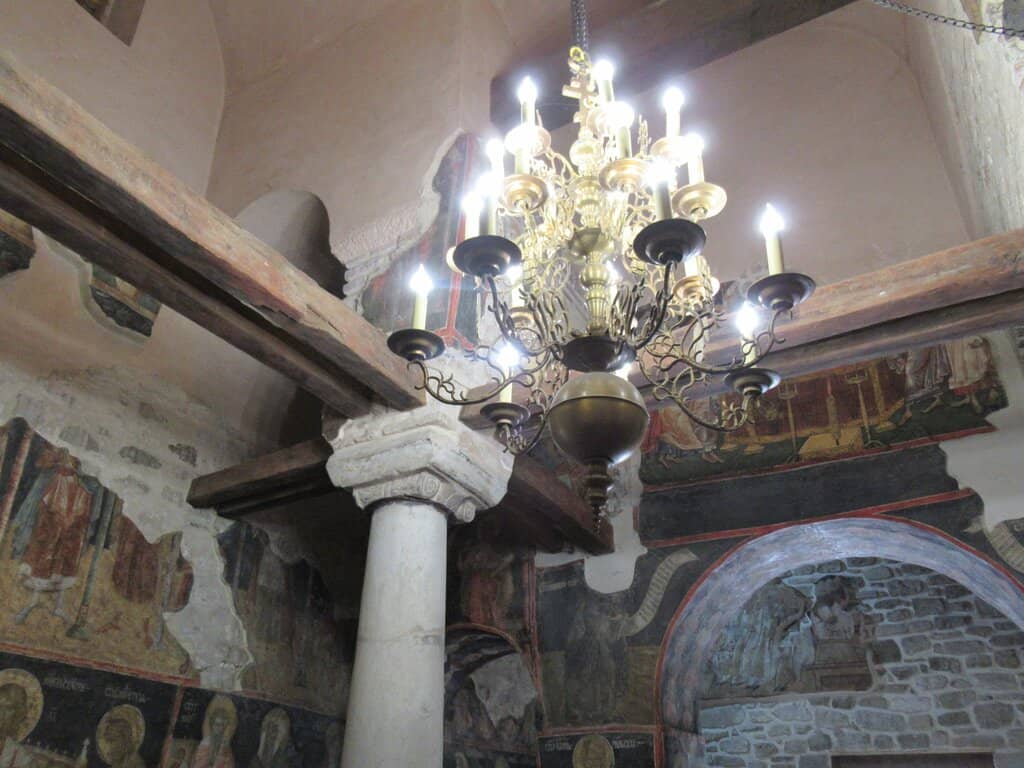
XIV-XVII Century Frescoes
Interior
Marvel at remarkably preserved frescoes, showcasing rare depictions of saints and Orthodox art.
Modern Protective Exterior
Exterior
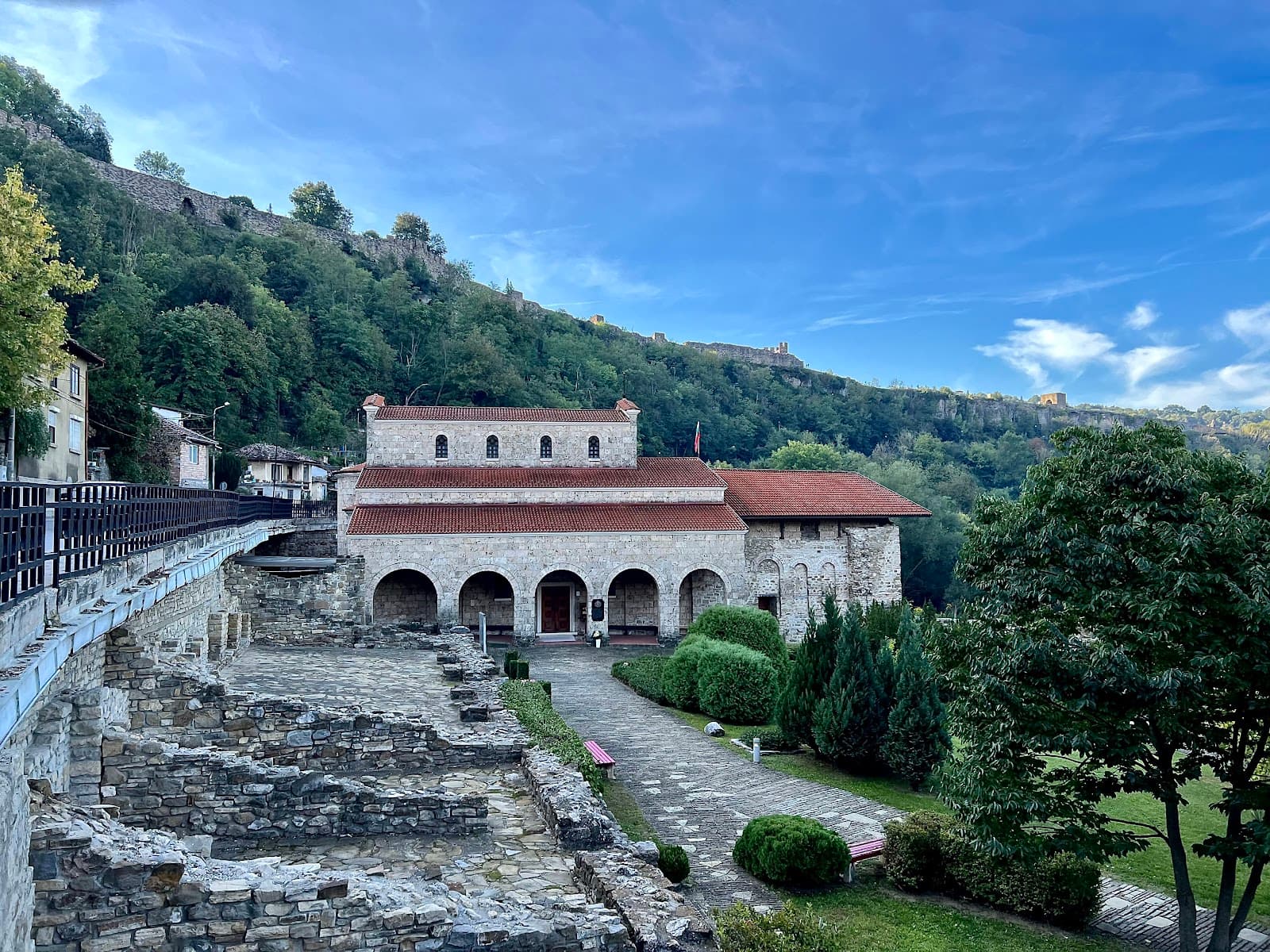
See how the ancient church is ingeniously protected within a newer, modern structure.
Plans like a pro.
Thinks like you
Planning Your Visit
Cash is King Here
Quick Visit, Big Impact
Best Times
Insider Tips
from TikTok, Instagram & Reddit
Bring Cash (BGN)
Only cash in Bulgarian Lev is accepted. No cards or Euros! :moneybag:
Quick Photo Ops
Photography is usually allowed and often free, but confirm with staff. :camera:
Focus on Art History
Ideal for those interested in frescoes and Orthodox art history. :art:
Tips
from all over the internet
Bring Cash (BGN)
Only cash in Bulgarian Lev is accepted. No cards or Euros! :moneybag:
Quick Photo Ops
Photography is usually allowed and often free, but confirm with staff. :camera:
Focus on Art History
Ideal for those interested in frescoes and Orthodox art history. :art:
What Travellers Say
Reviews Summary
Visitors praise the church for its remarkably preserved frescoes, highlighting the rare depictions of saints and the impressive artistry. The modern protective exterior is also noted as an ingenious conservation effort. However, some find the church to be very small and the visit brief, questioning the value for the admission price, especially given the cash-only policy.
"This church was worth visiting for it's preserved icons. If you are interested in learning the history of frescoes and Orthodox art , that's a beautiful masterpiece. It has pretty rare depiction of saints, done incredibly good. Taking photos usually is not forbidden and you have to pay, but they can lead it slide."
Mirian Metodieva
"They accept only cash leva. For a turistic location not to have POS is unacceptable. In about 6 months the whole country will switch to Euro, but they cannot accept payment in Euros now…"
Mihai C
"Amazing frescoes from the XIV to the XVII centuries, well preserved
What was more amazing for me was how the old church was protected in a newer structure
Definitely worth the visit"
Karina R
What People Like
What People Dislike
Frequently Asked Questions
🚇 🗺️ Getting There
The church is located within Veliko Tarnovo. Public transport options within the city are limited, so many visitors opt for walking if staying nearby or using a taxi. Parking can be challenging in the historic center, so consider your transport options in advance.
Information on accessibility is limited. Given its historic nature and small size, it's advisable to contact the local tourist information center for the most up-to-date accessibility details before your visit.
🎫 🎫 Tickets & Entry
Opening hours can vary, and it's best to check locally or with the Veliko Tarnovo tourist information office. However, given its small size, it's often accessible during daylight hours.
Admission is typically around 6 Bulgarian Lev (BGN), which is approximately $4 USD. However, this can change, so it's wise to confirm the current price upon arrival.
No, the church primarily accepts cash in Bulgarian Lev (BGN) only. They do not accept credit cards or Euros, so ensure you have the correct currency.
Generally, photography is permitted inside the church, and there may not be an additional charge for it. However, it's always a good idea to confirm with the attendant on duty.
🎫 🖼️ Onsite Experience
The primary draw is the incredibly well-preserved frescoes dating from the 14th to the 17th centuries. These murals depict rare and beautifully rendered saints and scenes from Orthodox art.
Most visitors find the church to be quite small, with the entire visit, including admiring the frescoes, taking about 1 to 2 minutes. It's a quick but impactful stop.
The ancient church is housed within a modern protective building. This innovative approach helps to preserve the delicate frescoes and the historic structure from environmental damage.
While specific construction dates for the original church are not widely detailed, the frescoes inside date from the 14th to the 17th centuries, indicating its historical importance during that period.
The frescoes feature a variety of saints, with some depictions being quite rare and noted for their artistic quality. This makes it a significant site for those interested in Orthodox iconography.
For Different Travelers
Tailored advice for your travel style
Art & History Enthusiasts
Be sure to bring your camera (if allowed) and allow a few minutes to truly appreciate the intricate details. The small size means you can easily fit this into a packed itinerary, but the artistic impact is significant.
Budget Travelers
Since the visit is very brief (1-2 minutes), it's a great way to experience a piece of local history and art without a significant time or financial commitment.
Deep Dives
In-depth insights and expert knowledge
The Artistry of the Frescoes
These frescoes are a testament to the skill and devotion of the artists who created them centuries ago. The vibrant colors and intricate details, despite their age, continue to captivate visitors. The church's small size belies the richness of its artistic treasures, making it a concentrated dose of historical and artistic significance.
For those planning a visit, understanding the historical context of these frescoes can greatly enhance the experience. They represent a period of significant artistic and religious activity in Bulgaria, and their survival is a remarkable feat, especially given the challenges of preserving such delicate artwork over hundreds of years.
Preservation Through Modernity
This innovative preservation method ensures that future generations can continue to admire the centuries-old frescoes. It highlights a thoughtful approach to heritage conservation, balancing the need to protect ancient artifacts with the practicalities of modern building standards. The contrast between the old and new structures is visually striking and speaks volumes about the commitment to preserving this cultural gem.
Visitors often express surprise and admiration for this dual structure. It allows for a controlled environment for the ancient church, ensuring its longevity while providing a safe and accessible space for visitors to experience its beauty. This thoughtful integration of old and new is a key feature that sets this church apart.

Social
from TikTok, Instagram & Reddit