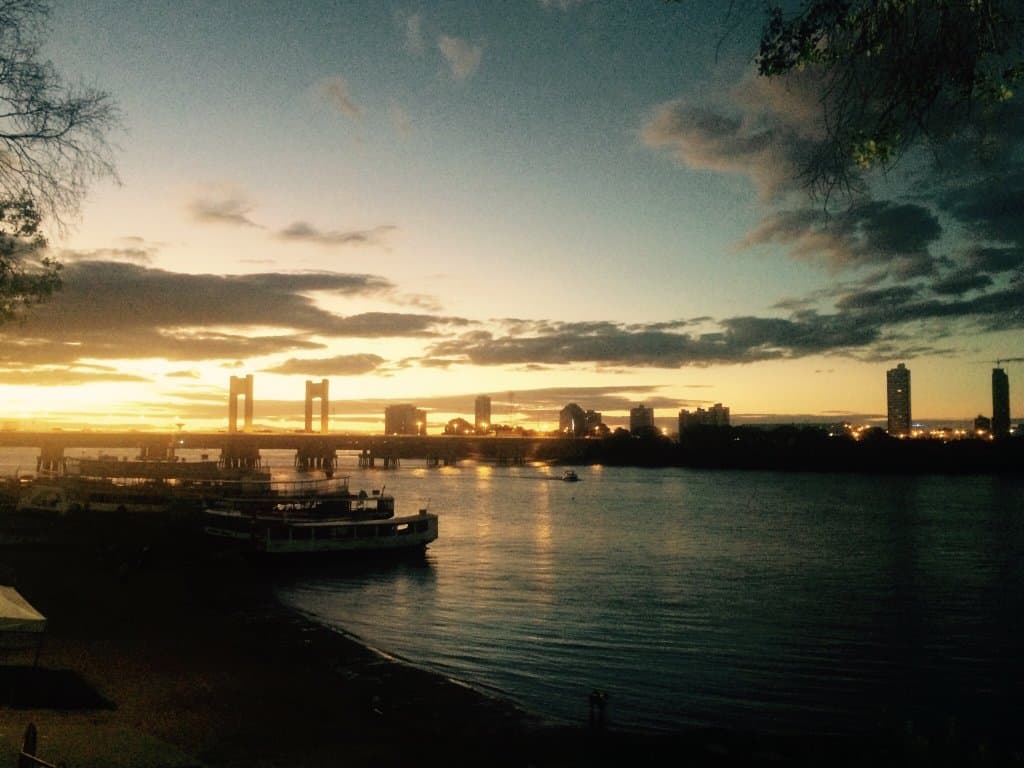
Presidente Dutra Bridge
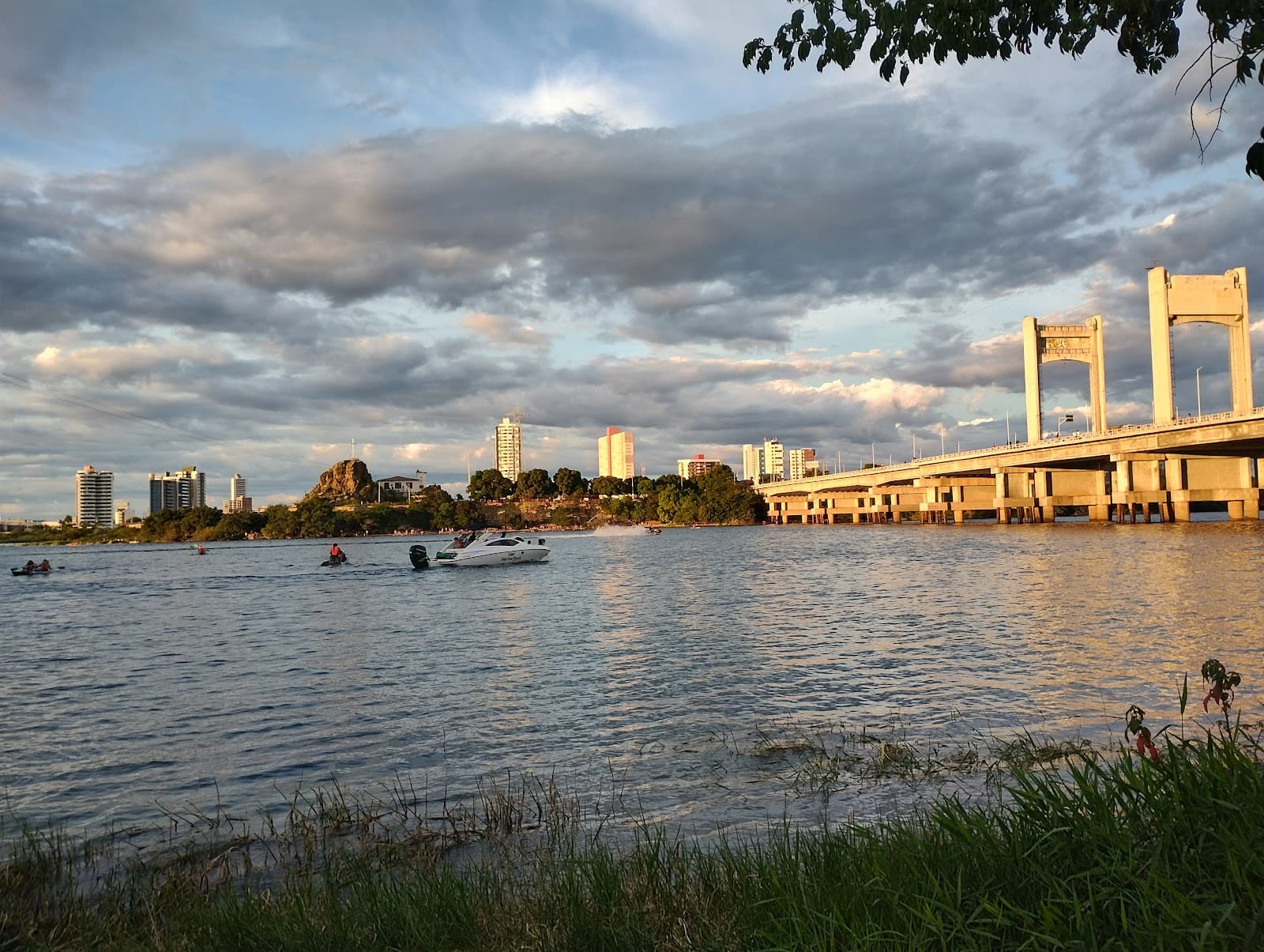
Brazil's busiest highway, a colossal concrete bridge linking São Paulo and Rio de Janeiro, vital for commerce and travel.
Highlights
Must-see attractions

Social
From TikTok & Reddit
Best Time
Less traffic, smoother drive
Presidente Dutra Bridge
Best Time
Less traffic, smoother drive
Highlights
Must-see attractions
Brazil's busiest highway, a colossal concrete bridge linking São Paulo and Rio de Janeiro, vital for commerce and travel.
"The essential, yet often congested, artery connecting Brazil's economic heartbeats."
🚗 Plan for Traffic
Always check real-time traffic apps before you go. Delays are common, especially during rush hours.
⛽ Fuel Up Beforehand
Service stations can be spaced out. Ensure your tank is full before embarking on your journey.
Highlights
Discover the most iconic attractions and experiences
Iconic Engineering Marvel
Witness a colossal concrete structure, a testament to modern engineering and a crucial link between São Paulo and Rio de Janeiro.
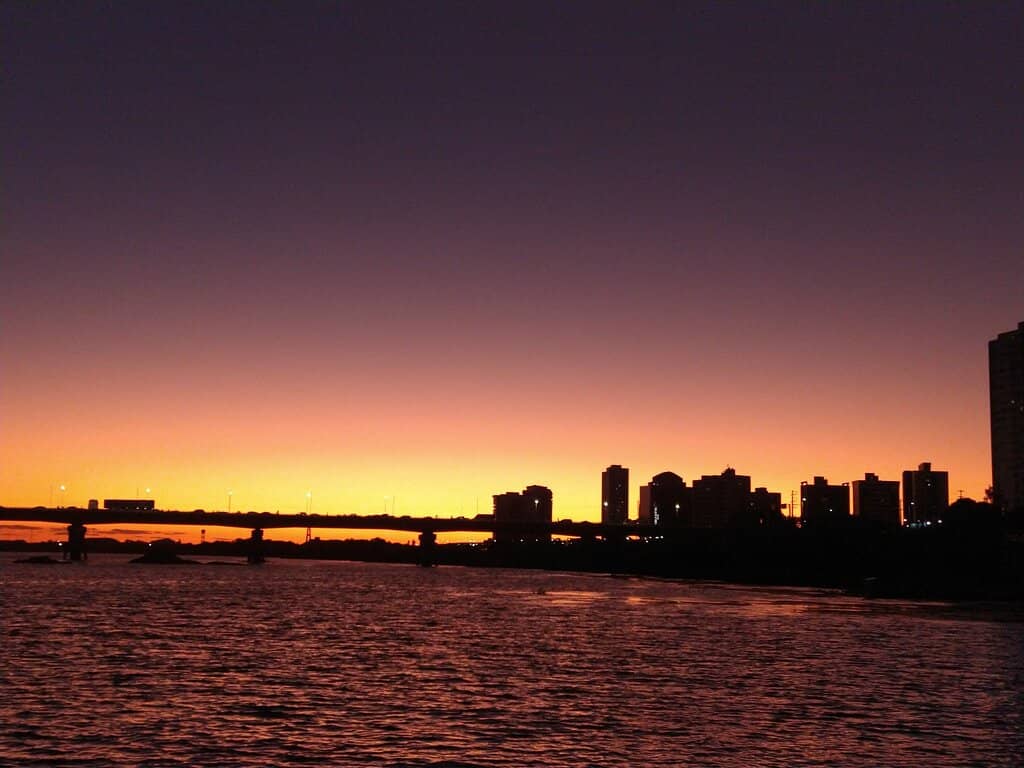
Gateway to Major Cities
Experience the bridge as a vital connector, symbolizing the dynamic flow of commerce and travel between Brazil's two largest metropolises.
Plans like a pro.
Thinks like you
Planning Your Visit
Navigating the Presidente Dutra Bridge
Safety and Accessibility
Best Times
Insider Tips
from TikTok, Instagram & Reddit
🚗 Plan for Traffic
Always check real-time traffic apps before you go. Delays are common, especially during rush hours.
⛽ Fuel Up Beforehand
Service stations can be spaced out. Ensure your tank is full before embarking on your journey.
📱 Use Navigation Apps
Essential for real-time updates on accidents and congestion. Waze and Google Maps are popular choices.
💧 Stay Hydrated
Long drives can be tiring. Keep water and snacks handy for a more comfortable trip.
Tips
from all over the internet
🚗 Plan for Traffic
Always check real-time traffic apps before you go. Delays are common, especially during rush hours.
⛽ Fuel Up Beforehand
Service stations can be spaced out. Ensure your tank is full before embarking on your journey.
📱 Use Navigation Apps
Essential for real-time updates on accidents and congestion. Waze and Google Maps are popular choices.
💧 Stay Hydrated
Long drives can be tiring. Keep water and snacks handy for a more comfortable trip.
What Travellers Say
Reviews Summary
The Presidente Dutra Bridge is a vital, albeit often congested, highway connecting Brazil's two largest cities. While essential for travel and commerce, drivers frequently report significant traffic delays and the need for constant vigilance regarding road conditions and toll payments.
What People Like
What People Dislike
Frequently Asked Questions
🚇 🗺️ Getting There
The Presidente Dutra Bridge (Rodovia Presidente Dutra, BR-116) is the main highway connecting São Paulo and Rio de Janeiro. You'll access it via the highway system in either city. Be prepared for multiple lanes and significant traffic volume.
Yes, numerous intercity bus services operate between São Paulo and Rio de Janeiro, all utilizing the Presidente Dutra Bridge. These are a common and practical way to travel if you prefer not to drive.
The bridge is part of the BR-116 highway. In São Paulo, you can access it from various points within the metropolitan area, often via the Marginal Tietê or Marginal Pinheiros. In Rio de Janeiro, it connects to the Rodovia Presidente Dutra as it approaches the city.
Yes, the Rodovia Presidente Dutra has several toll plazas along its route, including sections that cross the bridge area. Ensure you have cash or an electronic toll transponder (like Sem Parar or ConectCar) for smoother passage.
Crossing time varies drastically with traffic. In ideal conditions, it can take 15-30 minutes. However, during peak hours or due to accidents, it can extend to several hours.
🎫 🎫 Tickets & Entry
No, you do not need a specific ticket to enter or use the bridge itself. However, there are toll plazas along the Rodovia Presidente Dutra that require payment for passage.
The Presidente Dutra Bridge is a public highway and is open 24 hours a day, 7 days a week. Traffic flow is the only limiting factor.
There are no direct entry fees for the bridge itself, but you will encounter toll plazas on the Rodovia Presidente Dutra, which is the highway the bridge is part of. These tolls are for road maintenance and services.
Pedestrian and bicycle access is generally not permitted on the main lanes of the Presidente Dutra Bridge due to safety concerns and high-speed traffic. Dedicated lanes for these modes of transport are not available.
Toll prices are set by the concessionaire (CCR NovaDutra). You can find updated toll information on their official website or through navigation apps that often display toll costs.
🎫 🧭 Onsite Experience
The bridge itself is a roadway. However, the Rodovia Presidente Dutra is well-equipped with service areas, gas stations, restaurants, and rest stops at regular intervals on both sides of the highway.
Stopping on the main lanes of the bridge is highly discouraged and dangerous due to high-speed traffic. Use designated service areas or emergency pull-offs only if absolutely necessary.
Speed limits vary along the Rodovia Presidente Dutra, typically ranging from 110 km/h to 120 km/h for light vehicles in open stretches, but can be lower in urban areas or near toll plazas. Always adhere to posted signs.
The best views of the Presidente Dutra Bridge are typically from aerial perspectives or from elevated points near the riverbanks. Driving across offers a functional experience rather than a scenic one.
Expect heavy, fast-moving traffic, especially during weekday rush hours (morning and late afternoon/evening). Weekends and holidays also see increased volume due to leisure travel.
📸 📸 Photography
Photographing the bridge directly from the highway is unsafe. For good shots, consider using drone footage (if permitted and safe) or finding elevated viewpoints along the riverbanks near the bridge's approaches.
It is extremely unsafe and illegal to take photos while driving. Pull over at a designated safe area or service station if you wish to capture images.
Sunrise and sunset can offer dramatic lighting, but traffic will be a major factor. Mid-day can provide clear views, but the light might be harsh. Night shots can capture the illuminated highway.
For Different Travelers
Tailored advice for your travel style
🚗 Road Trippers & Commuters
🚚 Truck Drivers & Logistics
Deep Dives
In-depth insights and expert knowledge
Engineering and Construction
Spanning a significant river, the bridge's design had to account for various environmental factors and ensure long-term durability. Its presence dramatically reduced travel times and boosted economic activity, solidifying its role as a symbol of national connectivity and progress. The sheer scale of the structure is often best appreciated from a distance or from an aerial perspective, highlighting its impressive span and engineering prowess.
Traffic and Travel Experience
Travelers often rely on real-time navigation apps like Waze or Google Maps to navigate the bridge and surrounding highway. These apps provide crucial updates on congestion, helping drivers make informed decisions about detours or the best times to travel. The presence of numerous toll plazas also adds to the journey, requiring drivers to be prepared with cash or an electronic toll payment system. Despite the potential for delays, the bridge remains an indispensable part of Brazil's transportation network, facilitating essential commerce and personal travel.

Social
from TikTok, Instagram & Reddit