
Porto de Santos
Latin America's largest port, a vital trade hub adorned with world-class graffiti art and stunning coastal views.

Highlights
Must-see attractions

Social
From TikTok & Reddit
Best Time
Less traffic, more activity
Porto de Santos
Best Time
Less traffic, more activity
Highlights
Must-see attractions
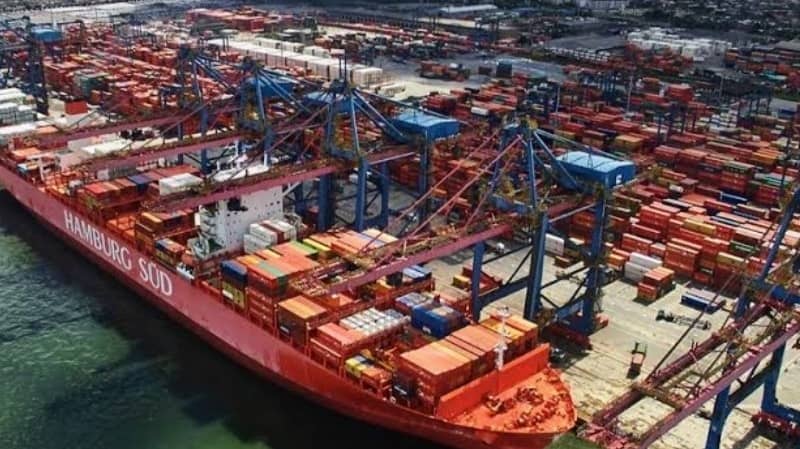
Latin America's largest port, a vital trade hub adorned with world-class graffiti art and stunning coastal views.
"A must-see for its scale, art, and maritime spectacle."

🚢 Witness Cruise Ship Departures
Catching a cruise ship like the MSC Seaview depart is a stunning sight! Check schedules beforehand.
🎨 Admire the Graffiti Silos
The 'Cores do Porto' project turned silos into art. A must-see for art lovers!

Highlights
Discover the most iconic attractions and experiences
Graffiti Silos of Porto de Santos
Port area
Gigantic grain silos transformed into a massive open-air art gallery with vibrant murals.
MSC Seaview Cruise Ship Arrival
Port terminals
Witness the impressive arrival or departure of massive cruise liners, a spectacle of maritime engineering.
Rodovia dos Imigrantes Scenic Drive
Connecting highway
Experience breathtaking views of the coastline and the port complex from this iconic highway.
Plans like a pro.
Thinks like you
Planning Your Visit
Navigating the Port's Scale
Beyond the Docks: History & Art
Best Times
Insider Tips
from TikTok, Instagram & Reddit
🚢 Witness Cruise Ship Departures
Catching a cruise ship like the MSC Seaview depart is a stunning sight! Check schedules beforehand. 
🎨 Admire the Graffiti Silos
The 'Cores do Porto' project turned silos into art. A must-see for art lovers!
🚗 Drive the Imigrantes Highway
For incredible views of the port and coast, drive the Rodovia dos Imigrantes.
⏱️ Allow Extra Travel Time
The port area can get congested. Plan for delays, especially on weekdays.
Tips
from all over the internet
🚢 Witness Cruise Ship Departures
Catching a cruise ship like the MSC Seaview depart is a stunning sight! Check schedules beforehand.
🎨 Admire the Graffiti Silos
The 'Cores do Porto' project turned silos into art. A must-see for art lovers!
🚗 Drive the Imigrantes Highway
For incredible views of the port and coast, drive the Rodovia dos Imigrantes.
⏱️ Allow Extra Travel Time
The port area can get congested. Plan for delays, especially on weekdays.
📸 Capture Port Activity
The port is a hive of activity. Great for photography enthusiasts interested in industrial landscapes.
What Travellers Say
Reviews Summary
Visitors praise the Port of Santos for its immense scale and its transformation into a vibrant art space with the graffiti silos. The scenic views from the Rodovia dos Imigrantes and the impressive sight of cruise ships are also highlights. However, some note potential congestion and the purely industrial nature of much of the port.
"Port consist with separate cargo piers for separate ship types. Container terminal, Cargo (bulk) terminal.. etc. Also private piers for the Yatchs and other vessels. Pretty massive area for the port with entrance through the canal and all the way there are lots of places you can see. City is a part of the port. So nice sceneries and busy area. Lots of vessels traveling here everyday."
Hasitha Deelaka Kulathunga (බෙන්ජා)
"It possesses a wide variety of cargo handling terminals—solid and liquid bulk, containers, and general loads. It is Brazil's leading port in container traffic. The terrestrial access system to the port is made up by the Anchieta and Imigrantes highways and by the railroads operated by Ferroban and MRS.
It was once considered the "port of death" in the 19th century due to yellow fever, and ships often avoided docking at the wood plank port. The floods in the city's area provoked illnesses.
Today it is Latin America's largest port. Its structure is considered Brazil's most modern.
In the early 20th century, major overhauling and urbanization created the port's modern structure seen today, eliminating the risk of diseases and providing the port with modern, industrial-age infrastructure.
The location of the city of Santos was chosen at a convenient point for crossing the Serra do Mar mountain range, which is the main obstacle to access the interior. The first railway link from the port to the state capital São Paulo City, 79 km away, and the state's interior, was completed in 1864. This allowed for an easier transportation of the vast masses of migrant workers who headed to São Paulo and the state's numerous coffee farms. The main product exported by Santos until World War II was São Paulo state's huge coffee production, Brazil's largest. Today, coffee has become a smaller component of Brazil's exports and cars, machinery, orange juice, soybeans are now some of the port's main exports.
Millions of immigrants reached Brazil via the Port of Santos in the late 19th and early 20th centuries, proceeding to the country's interior by railway.
It is the world's 39th largest port in terms of container traffic and South America's largest.
Two issues facing the port today are access and distribution within the port. Due to the fact that the port operates 24 hours a day there is a lot of congestion on the roads and railways. There is only a three-lane road with two of those lanes for entry to the port and one for exiting. The port is considering a few possible solutions such as deepening the channels, applying intelligent transportation systems technologies, and better truck storage facilities. These plans for expansion have been planned to be put in place by the year 2024 due to the economic growth of the town. According to CODESP, all of these projects the Port of Santos will be moving three times more cargo, from the current 97.2 million tons to 230 million tons, with the general cargo accounting for 53% of this volume, solid bulk for 30% and liquid bulk for 17%.The ports difficulties of flow in the port areas can be categorized into four different areas: the difficulties of flow in the port areas, the constraints to the rail model, the poor utilization of the capacity of the maritime terminals and the congestion in accesses."
Swadesh Singh
"Brazil is Nice country , ports are beautiful and builded for heavy job..... But unfortunately the sugar scammers are more heavier than ports"
linux xsp
What People Like
What People Dislike
Frequently Asked Questions
🚇 🗺️ Getting There
The most common way to reach the Port of Santos from São Paulo is by car via the Rodovia dos Imigrantes or Rodovia Anchieta. These highways offer scenic views and are crucial for connecting the port to the state capital. Public transport options are available but can be more time-consuming.
While public buses connect Santos to São Paulo, navigating directly to specific port terminals via public transport can be challenging. It's often easier to use ride-sharing services or taxis once you are in Santos.
The primary terrestrial access routes are the Anchieta and Imigrantes highways, which are vital for transporting goods and connecting to São Paulo City.
Yes, it's possible to visit the Port of Santos as a day trip from São Paulo, especially if you focus on specific attractions like the graffiti silos or a scenic drive. However, be mindful of traffic, especially during peak hours.
The port is a vast operational area with multiple terminals. For tourist-focused activities like viewing the graffiti silos, specific access points are generally available. For general port viewing, designated scenic spots along the coast or highways are best.
🎫 🎫 Tickets & Entry
General access to view the port from public areas or scenic points does not require tickets. However, if you plan to visit specific terminals or take guided tours (if available), you might need to arrange entry in advance.
The Port of Santos operates 24 hours a day for cargo operations. However, visitor access to specific attractions or viewpoints may have their own operating hours. It's best to check for specific sites like the graffiti silos.
While not widely advertised for general tourists, some organizations or specific terminals might offer tours. It's advisable to check with local tourism offices or directly with terminal operators for any available tour options.
Viewing the graffiti silos is generally free as they are part of the port's exterior landscape. They are accessible from public areas and roads.
Yes, you can often see large cruise ships like the MSC Seaview docking or departing. The best way to experience this is by checking the cruise ship schedules and heading to the port area during those times.
📸 📸 Photography
The graffiti silos offer a unique artistic backdrop. The Rodovia dos Imigrantes provides panoramic views of the port and coastline. Observing the busy cargo operations from safe vantage points can also yield great shots.
Photography regulations can vary significantly between different terminals within the Port of Santos. It's crucial to respect security protocols and inquire locally before taking photos inside operational areas.
Industrial photography, street art photography (at the silos), and capturing the scale of maritime operations are popular. Sunset views over the port can also be very picturesque.
Drone usage is often heavily restricted in and around port areas due to security and air traffic control regulations. Always check local drone laws and obtain necessary permissions before flying.
Early mornings and late afternoons offer the best light for photography, with the golden hour providing a warm glow. Midday can be harsh, but it's also when the port is most active.
🕐 🚢 Maritime & Logistics
The Port of Santos handles a wide variety of cargo, including containers, solid and liquid bulk, general cargo, cars, machinery, orange juice, and soybeans. It's Brazil's leading port for container traffic.
It's connected by the Anchieta and Imigrantes highways, as well as by railroads operated by Ferroban and MRS, linking it to São Paulo City and the country's interior.
It is Latin America's largest port and considered Brazil's most modern, playing a crucial role in global trade and the Brazilian economy.
Congestion on roads and railways due to 24-hour operations is a major challenge, along with issues in flow within port areas and terminal capacity utilization.
Plans include deepening channels, implementing intelligent transportation systems, and improving truck storage facilities to significantly increase cargo handling capacity by 2024.
For Different Travelers
Tailored advice for your travel style
👨👩👧 Families with Kids
Consider timing your visit to see a cruise ship depart or arrive, which can be a thrilling spectacle for younger visitors. +1While direct access to operational terminals might be limited, a scenic drive along the Rodovia dos Imigrantes provides impressive views of the port's vastness without requiring extensive walking or complex logistics, making it a more relaxed option for families.
📸 Photography Enthusiasts
Capture the dynamic movement of cargo operations, container stacks, and the impressive size of ships from designated viewing areas. +1For panoramic shots, the Rodovia dos Imigrantes offers breathtaking vistas of the port and coastline, especially during the golden hours of sunrise and sunset.
+1 Remember to be mindful of security and operational areas; always check for photography restrictions before entering restricted zones. 🚢 Cruise Ship Spotters
+1 These moments offer a fantastic opportunity to see these floating cities up close and appreciate the scale of maritime tourism. The port's extensive coastline provides several vantage points to observe these impressive vessels. Deep Dives
In-depth insights and expert knowledge
The Art of the Port: Graffiti Silos
The vibrant and expansive artwork adds a unique cultural dimension to the port's landscape, offering a striking contrast between industrial might and artistic expression. Visitors can admire these colorful giants from various vantage points around the port area, making it a must-see for art enthusiasts and photographers alike. It's a testament to how art can revitalize and redefine industrial spaces.
Navigating the Gateway: Port Logistics and Connectivity
The port's connectivity is facilitated by major infrastructure like the Rodovia dos Imigrantes and Rodovia Anchieta, which link it to the bustling metropolis of São Paulo and the country's interior. Rail links operated by Ferroban and MRS further enhance its logistical capabilities. Despite its efficiency, the port faces challenges with congestion on access roads and within its operational areas, prompting ongoing expansion and modernization plans to handle increasing cargo volumes.
A Glimpse of Maritime Life: Cruise Ships and Operations
+1Behind the scenes, the port operates with remarkable precision. Reels showcase the coordinated efforts of port workers, tugboats, and maritime authorities in ensuring safe and efficient operations. From the intricate maneuvers of docking large vessels to the constant movement of containers, the port is a dynamic environment that highlights the dedication and expertise of its workforce.
+2



Social
from TikTok, Instagram & Reddit