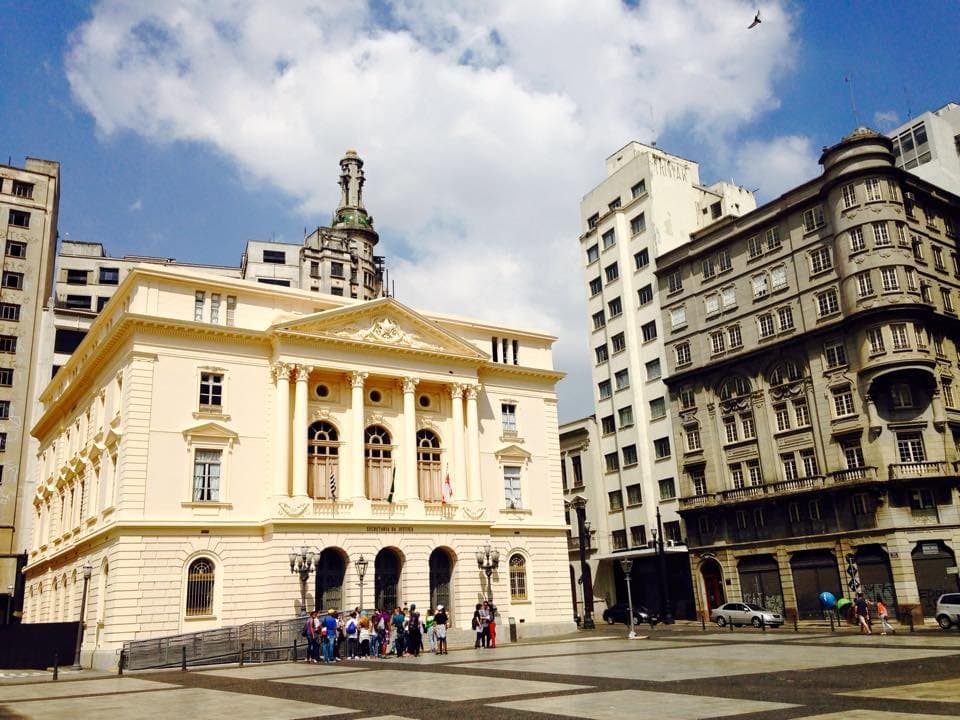
Pátio do Colégio São Paulo
The historic heart of São Paulo, where the city was founded by Jesuit priests in 1554. Explore its museum and chapel.

Highlights
Must-see attractions

Social
From TikTok & Reddit
Best Time
Fewer crowds, more peaceful
Pátio do Colégio São Paulo
Best Time
Fewer crowds, more peaceful
Highlights
Must-see attractions
The historic heart of São Paulo, where the city was founded by Jesuit priests in 1554. Explore its museum and chapel.
"Stand where the city was founded more than 465 years ago – a privileged historical experience."

🚶 Walk the Historic Center
Combine your visit with other nearby historical sites in the Centro Histórico.
🎟️ Museum Entry Fee
There's a small fee for the Museu Anchieta, usually R$8 for full price.
Highlights
Discover the most iconic attractions and experiences
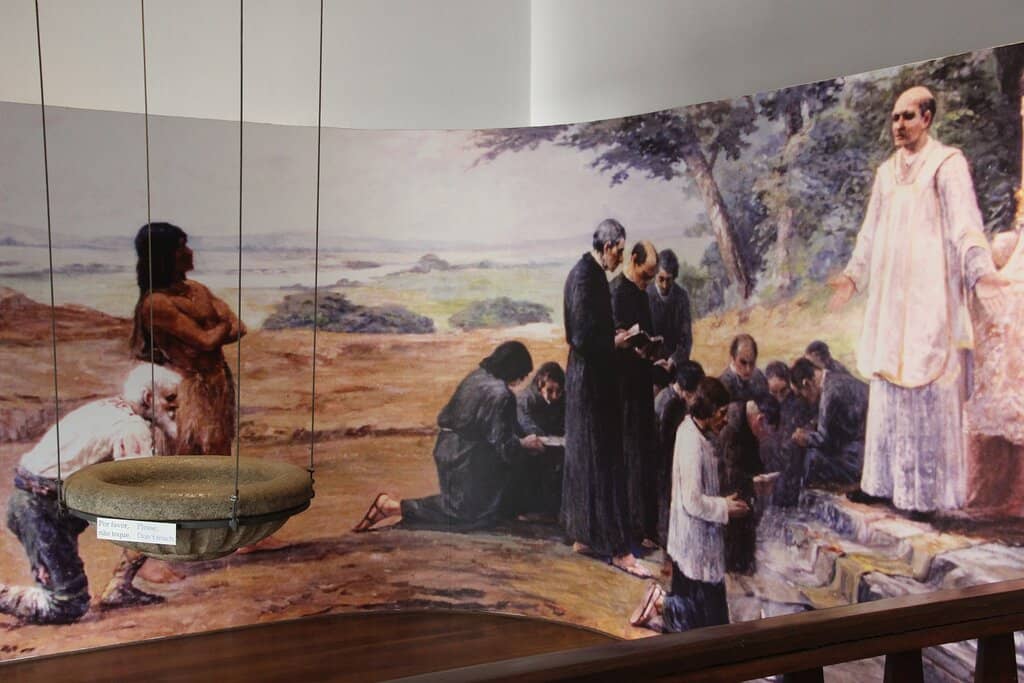
Museu Anchieta
Inside the Pátio do Colégio
Discover maps, sacred art, and artifacts detailing São Paulo's founding and early history.
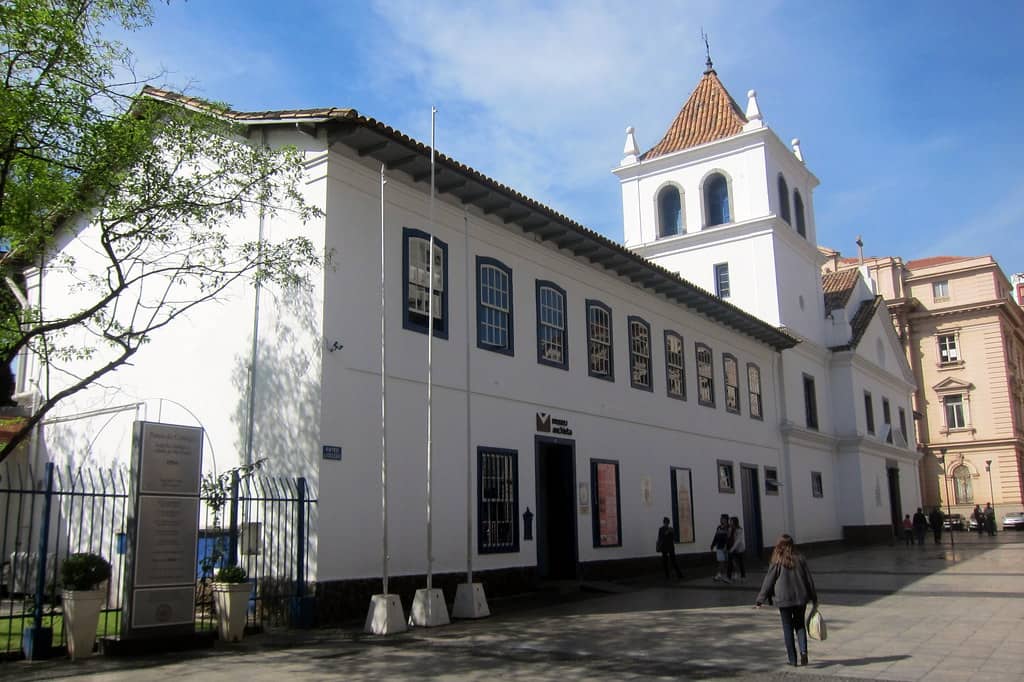
Capela Anchieta
Within the Pátio do Colégio
A replica of the original chapel, offering a glimpse into the early religious and colonial architecture.


The Birthplace of São Paulo
The main square
Stand where the city was founded in 1554, a powerful connection to Brazil's largest metropolis.
+1Plans like a pro.
Thinks like you
Planning Your Visit
Understand the History
+1Check Museum Hours
Best Times
Insider Tips
from TikTok, Instagram & Reddit
🚶 Walk the Historic Center
Combine your visit with other nearby historical sites in the Centro Histórico.
🎟️ Museum Entry Fee
There's a small fee for the Museu Anchieta, usually R$8 for full price.
🏛️ Free to Wander Grounds
You can explore the main square and gardens for free, even if you don't enter the museum.
📸 Photo Opportunities
Capture the colonial architecture and historical significance of this iconic São Paulo landmark.
Tips
from all over the internet
🚶 Walk the Historic Center
Combine your visit with other nearby historical sites in the Centro Histórico.
🎟️ Museum Entry Fee
There's a small fee for the Museu Anchieta, usually R$8 for full price.
🏛️ Free to Wander Grounds
You can explore the main square and gardens for free, even if you don't enter the museum.
📸 Photo Opportunities
Capture the colonial architecture and historical significance of this iconic São Paulo landmark.
What Travellers Say
Reviews Summary
Visitors praise Pátio do Colégio as the essential historical birthplace of São Paulo, appreciating the well-maintained grounds and the informative Museu Anchieta. Some note that the main chapel is a replica, but still find the site deeply significant and a valuable historical lesson.
"FAKE Historic!!
Don’t be fooled by these ignorant reviews, although the architecture brings our imagination back to early colonial Brazil, it is nothing, but a replica from the 1970s.
The original edification was demolished in the 19th century as it wasn’t imposing enough to house the government."
Sam Bee
"………… Visiting the school-yard as the name says is real-lii a privileged experience, to be standing at the same spot where the founders stood more than 465 years ago when there was probably nothing but jungle here. At that time the Jesuits built a straw structure here. Today there is the beautiful Portuguese Colonial structure that was rebuilt in the ear-lii 1950’s and by the sheer condition of the building it portrays the importance this site and institution still has on the people who frequent and still make use of it. The place and the grounds surrounding it is pristine and in mint condition and the simple yet impressive plague on the wall dedicated to the Apostle Paul by the Jesuits……On the day of our visit here it was a religious public holiday in Sao Paulo in honour of the celebration of “CORPUS CHRISTI” so this venue was closed to the public as they were preparing for a Mass/Service as there was an Altar impressive-lii adorned for the occasion which was scheduled for later in the day, so we were unable to gain access to explore the inside and also see the museum of the city. On the same square just outside there is also the massive stone monument with an obelisk erected in honour of the first Jesuit-priest who administered to the people they came into contact with at that time. If you are in Sao Paulo this venue is a must visit place!......................"
Vernon Wentzel
"Undoubtedly the most charming original Jesuit mission built in 1554 as Sao Paolo de Piratininga in the Planalto/tableland of Piratininga between rivers Tamanduatei & Anhangabau.Despite its turbulent past in the aftermath of Jesuit Order being expelled twice from Brasil: first in 1640 but restored in 1653 and once again expelled in 1759 by Marques de Pombal/ Portuguese Gov. but restored by Pope Clement XIV in 1773. As expected the building was neglected and its subsequent dereliction plus changes it suffered as it was used as Government quarters.
Adjacent to this is Sao Bento with a charming small chapel to the left where the life of Jose de Anchieta is chartered as he and Padre Manuel da Nobrega are honoured as they built and negotiated their arrival with the local Tamoios indians.
Make sure you visit Museum and crypt as the exhibits of maps/ designs, Paulistinhas images, reliquias and do not miss the interesting Kamayura & Waura exhibits of arches, masks, pottery, axes,jewellery and ornaments,etc from the Xingu National Park."
Salvador Menjivar
What People Like
What People Dislike
Frequently Asked Questions
🚇 🗺️ Getting There
Pátio do Colégio is located in the heart of São Paulo's historic center. You can easily reach it by metro, getting off at the São Bento station (Line 1-Blue) and taking a short walk. Many bus lines also serve the area.
Yes, it's very accessible by public transport. The nearest metro station is São Bento, which is a convenient walk away. Numerous bus routes also stop nearby, making it easy to incorporate into your city exploration.
Walking is the best way to explore the historic center. You can easily visit Pátio do Colégio along with other landmarks like the Catedral da Sé and the Mosteiro de São Bento.
Parking in the historic center can be challenging. It's recommended to use public transport or ride-sharing services. If you must drive, look for paid parking lots in the vicinity.
Yes, many guided tours of São Paulo's historic center include a stop at Pátio do Colégio, offering historical context and insights.
🎫 🎫 Tickets & Entry
Entry to the main grounds of Pátio do Colégio is generally free. However, there is a fee to enter the Museu Anchieta.
The ticket price for the Museu Anchieta is typically R$8 for a full ticket and R$4 for a half-price ticket.
The grounds are usually accessible during daylight hours. The Museu Anchieta is typically open from Tuesday to Saturday, from 9 AM to 4:45 PM. It's always best to check their official hours before visiting.
While the grounds might be accessible, the museum may be closed on public holidays. It's advisable to confirm the operating status beforehand, especially if there are special events like Masses.
Yes, half-price tickets are usually available for students, seniors, and other eligible groups.
🎫 🏛️ Onsite Experience
Pátio do Colégio is the exact spot where São Paulo was founded by Jesuit priests in 1554. It's considered the birthplace of the city and a crucial site in Brazilian history.
You can see the replica of the original chapel, the Museu Anchieta with historical exhibits, and the monument honoring Father Anchieta. The site itself is a living piece of history.
Absolutely! The colonial architecture, the chapel, and the historical ambiance make it a very photogenic spot.
Historically, religious services like Masses have been held here, sometimes involving significant figures. It's a place that continues to be used for cultural and religious events.
The current chapel is a replica built in the 1950s, as the original Jesuit structures from 1554 were made of simpler materials and later demolished or altered. The site preserves the historical essence.
🍽️ 🍽️ Food & Dining
Yes, the historic center surrounding Pátio do Colégio has several dining options, from traditional Brazilian eateries to more contemporary cafes.
While there isn't a restaurant directly within the museum, there are nearby establishments. One notable option mentioned is the 'Restaurante Aroma e Sabor' located a short distance away.
You can find a variety of foods, including traditional Brazilian dishes, snacks, and coffee. The area offers a good mix for a quick bite or a more substantial meal.
Yes, the historic center often has more affordable 'kilo' restaurants and smaller eateries that cater to various budgets.
It's a good idea to plan your meal around your visit. You can grab a bite before exploring or find a place nearby afterward to reflect on the history.
📸 📸 Photography
The chapel facade, the main square with its historical markers, and the surrounding colonial-style buildings offer great photo opportunities.
Photography rules can vary inside museums. It's best to check for signage or ask staff if photos are permitted, especially without flash.
Morning light can be beautiful for capturing the architecture. Late afternoon can also offer nice lighting and fewer crowds.
Drone usage is generally restricted in urban and historical areas. It's highly unlikely to be permitted here due to safety and preservation concerns.
While general photography might be allowed, flash photography is often prohibited to protect delicate artifacts. Always be mindful of museum regulations.
For Different Travelers
Tailored advice for your travel style
👨👩👧 Families with Kids
Consider visiting on a weekday morning to avoid larger crowds. While the museum has an entry fee, exploring the main square is free, offering a budget-friendly historical outing. Pack some snacks and water, as dining options directly on-site are limited, though restaurants are nearby.
🏛️ History Buffs
Pay close attention to the architectural details of the Capela Anchieta replica and the monument dedicated to Padre Anchieta. The site's turbulent past, including the expulsion and restoration of the Jesuit order, adds layers of historical intrigue.
📸 Photographers
+1Morning light can be ideal for capturing the details of the buildings. While the museum may have restrictions, the exterior and grounds are perfect for a photo session. Consider visiting during weekdays to avoid peak crowds and get clearer shots.
Deep Dives
In-depth insights and expert knowledge
The Founding of São Paulo
+2The current buildings, including the chapel and museum, are reconstructions and restorations that aim to preserve the historical essence of this pivotal location. The site offers a tangible connection to the city's origins, allowing visitors to stand on the same ground where its history began. It's a place where the past is palpable, offering a unique perspective on the city's development.
Visiting Pátio do Colégio provides an essential understanding of São Paulo's colonial past and its subsequent growth. It's a must-see for anyone interested in Brazilian history and the evolution of its major urban centers.
Exploring the Museu Anchieta
Beyond cartography, the museum showcases a significant collection of sacred art, reflecting the strong religious influence during Brazil's colonial period. Visitors can also find exhibits detailing the lives and work of the Jesuit missionaries, particularly Padre José de Anchieta, after whom the museum is named. Artifacts from indigenous cultures, such as those from the Xingu National Park, are also displayed, providing insights into the diverse heritage of the region.
Admission to the museum is reasonably priced, making it an accessible and enriching experience for all visitors. It's an integral part of understanding the historical context of Pátio do Colégio and the broader history of São Paulo.
Architectural Significance
While the original Jesuit mission structures were simpler, the current site has been preserved and rebuilt to honor its historical importance. The surrounding buildings and the layout of the square itself evoke the colonial period, making it a significant landmark in the historic center of São Paulo. The well-maintained grounds and the imposing monument to Father Anchieta further enhance the site's architectural and historical appeal.
Visitors often comment on the beauty and historical resonance of the architecture, noting how it transports them back in time. It's a key part of the visual identity of the place where the city was born.


Social
from TikTok, Instagram & Reddit