Museu do Ouro Casa de Borba Gato
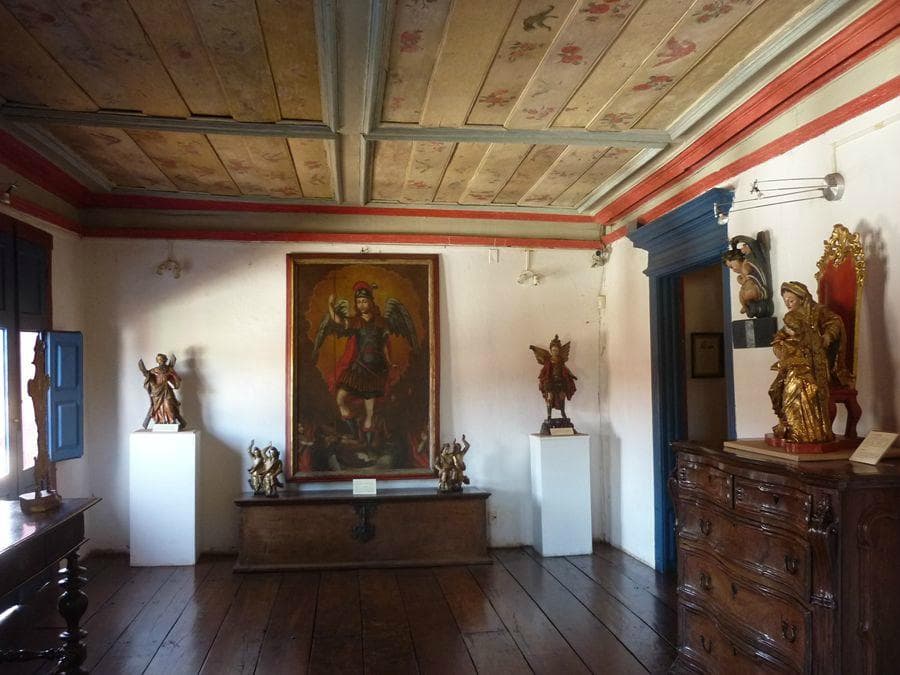
Step into Brazil's colonial past at the Museu do Ouro Casa de Borba Gato, a 17th-century house preserving gold cycle history.

Highlights
Must-see attractions

Social
From TikTok & Reddit
Best Time
Fewer crowds, more peaceful
Museu do Ouro Casa de Borba Gato
Best Time
Fewer crowds, more peaceful
Highlights
Must-see attractions
Step into Brazil's colonial past at the Museu do Ouro Casa de Borba Gato, a 17th-century house preserving gold cycle history.
"A mandatory stop for those interested in Brazilian colonial history, offering a deep dive into the gold cycle."
📸 No Flash Photography
Capture the history, but remember to turn off your flash to protect the delicate artifacts. :camerawithflash:
⏳ Allow Ample Time
Dedicate at least 2-3 hours to fully explore and absorb the rich history. :hourglassflowingsand:
Highlights
Discover the most iconic attractions and experiences
Colonial Architecture
The entire building
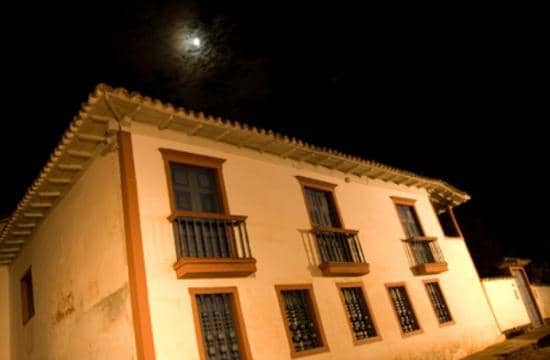
Step back in time in this meticulously preserved 17th-century colonial house, a testament to Brazil's rich past.
Gold Cycle Artifacts
Exhibition halls
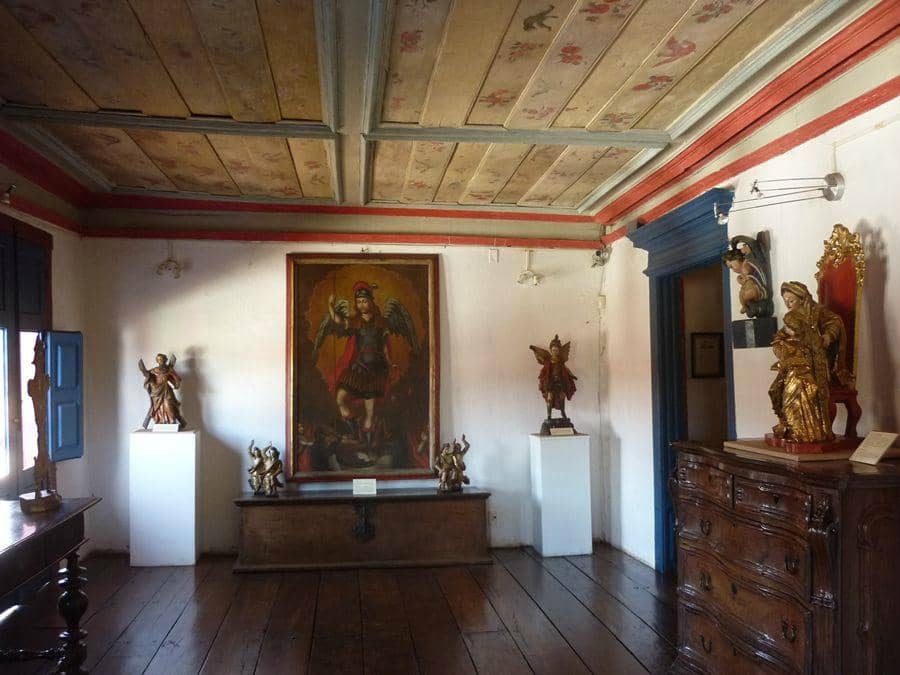
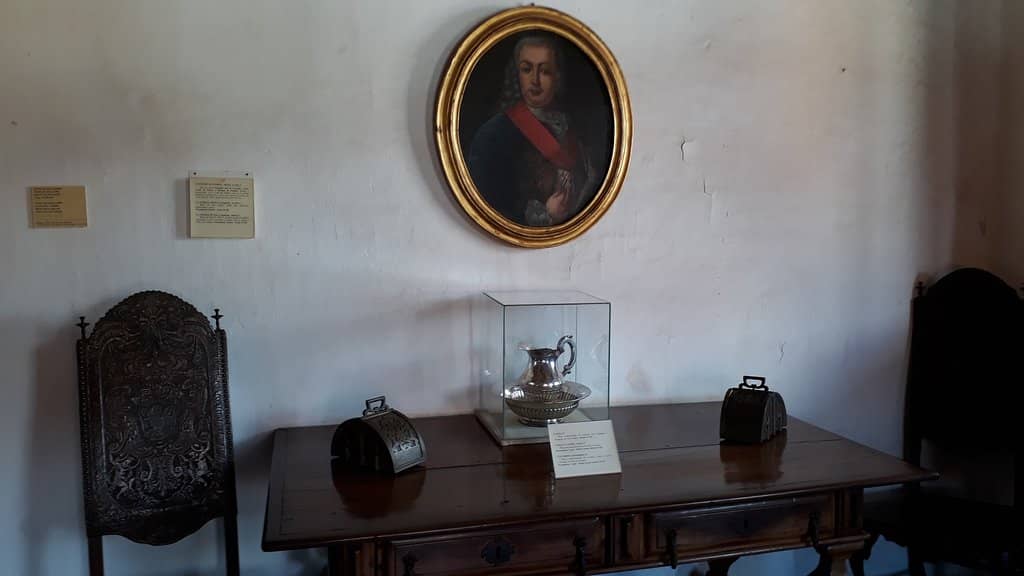
Discover tools and artistry from the 18th and 19th centuries, showcasing the region's gold mining history.
Intendancy and Foundry
Former minting area
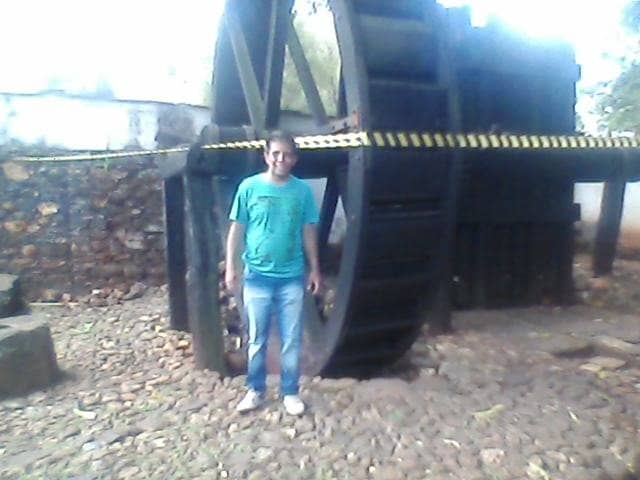
See the original press from 1670 and an ore crushing mill that replaced manual labor during the gold rush.
Plans like a pro.
Thinks like you
Planning Your Visit
Timing Your Visit
Photography Etiquette
Best Times
Insider Tips
from TikTok, Instagram & Reddit
📸 No Flash Photography
Capture the history, but remember to turn off your flash to protect the delicate artifacts. :camerawithflash:
⏳ Allow Ample Time
Dedicate at least 2-3 hours to fully explore and absorb the rich history. :hourglassflowingsand:
📚 Specialized Library
Don't miss the library focused on Minas Gerais and Brazilian history. :books:
Tips
from all over the internet
📸 No Flash Photography
Capture the history, but remember to turn off your flash to protect the delicate artifacts. :camerawithflash:
⏳ Allow Ample Time
Dedicate at least 2-3 hours to fully explore and absorb the rich history. :hourglassflowingsand:
📚 Specialized Library
Don't miss the library focused on Minas Gerais and Brazilian history. :books:
What Travellers Say
Reviews Summary
Visitors praise the Museu do Ouro Casa de Borba Gato for its significant historical collection and well-preserved colonial architecture, offering a deep dive into the gold cycle of Minas Gerais. While some find it 'just ok,' most agree it's a mandatory stop for those interested in Brazilian colonial history, with photography allowed (no flash).
"Beautiful museum to see old results of craft works in that region"
Dr. Diego Bianchi Pelizer
"Just ok"
Ricardo Lago
"Top"
fernando couto
What People Like
What People Dislike
Frequently Asked Questions
🚇 🗺️ Getting There
The Museu do Ouro Casa de Borba Gato is located in Sabará, Minas Gerais. Visitors typically arrive by car or taxi from Belo Horizonte, which is the nearest major city. Public transportation options might be available but can be less direct. Check local transport schedules for the most up-to-date information.
Information regarding specific parking availability at the Museu do Ouro Casa de Borba Gato can vary. It's advisable to check with the museum directly or look for public parking options in the vicinity of Sabará's historic center.
🎫 🎫 Tickets & Entry
The museum's opening hours can change seasonally or for special events. It's best to consult the official museum website or contact them directly for the most current operating times before your visit.
Admission fees for the Museu do Ouro Casa de Borba Gato are subject to change. Check the museum's official channels for the latest pricing information. Some visitors mention it's a worthwhile experience for the historical insights.
Booking tickets in advance is generally not required for the Museu do Ouro Casa de Borba Gato, especially on weekdays. However, for group visits or during peak tourist seasons, it's always a good idea to inquire about reservation policies.
🎫 🧭 Onsite Experience
The museum showcases a remarkable collection of artifacts from the 18th and 19th centuries, related to the gold cycle in Minas Gerais. You'll find tools used in gold mining and goldsmithing, a 17th-century press, and an ore crushing mill. The building itself is a historical colonial house.
While the museum offers a deep dive into history, its exhibits might be more engaging for older children and adults interested in historical artifacts and the colonial period. Younger children might find it less interactive. Consider their interests before visiting.
Yes, photography is allowed inside the Museu do Ouro Casa de Borba Gato, but without flash. This is to preserve the historical integrity of the exhibits. :camerawithflash:
Guided tours can enhance the understanding of the historical context and artifacts at the Museu do Ouro Casa de Borba Gato. Inquire at the museum's information desk upon arrival or check their website for tour availability and schedules.
🍽️ 🍽️ Food & Dining
Typically, museums like the Museu do Ouro Casa de Borba Gato do not have extensive dining facilities within the premises. It's recommended to explore the dining options available in the historic center of Sabará before or after your visit.
Sabará is known for its traditional Minas Gerais cuisine, which often features dishes like feijão tropeiro, pão de queijo, and various pork and chicken preparations. Exploring local restaurants will give you a taste of the region's culinary heritage.
📸 📸 Photography
The colonial architecture of the building itself offers beautiful photographic opportunities, especially the facade and interior courtyards. The historical artifacts, when photographed without flash, also make for compelling shots that tell a story.
The primary restriction is no flash photography to protect the artifacts. Always be mindful of other visitors and avoid obstructing pathways or exhibits while taking pictures.
For Different Travelers
Tailored advice for your travel style
👨👩👧 Families with Kids
🏛️ History Buffs & Culture Enthusiasts
Deep Dives
In-depth insights and expert knowledge
The Historical Significance of the Casa de Borba Gato
After its operational days, the building underwent transformations, serving as a residence and later a school, before being acquired and donated for preservation. Its acquisition by the Serviço do Patrimônio Histórico e Artístico Nacional (SPHAN) in 1946 marked its official transition into a museum, preserving its legacy for future generations. The museum's establishment in 1946 was a crucial step in safeguarding this piece of Brazilian heritage.

Today, the museum's collection includes pieces and equipment used in gold mining and goldsmithing, offering tangible evidence of the era's craftsmanship and industry. Notable items include a press dating back to 1670 and an ingenho (ore crushing mill), which highlights the technological advancements used to replace manual labor. The presence of a specialized library further enriches the visitor experience, providing deeper insights into the history of Minas Gerais and Brazil.
Exploring the Gold Cycle Exhibits
Among the most compelling exhibits is the original press from 1670, a powerful symbol of the era's industrial capabilities. Alongside it, the ore crushing mill demonstrates how technology was adopted to increase efficiency, a significant shift from reliance on enslaved labor for such tasks. These pieces offer a unique perspective on the evolution of mining practices and the socio-economic conditions of the time. The museum's commitment to preserving these artifacts ensures that the story of the gold cycle remains accessible and educational.
Beyond the machinery, the museum also houses a collection of objects from the art of goldsmithing. These intricate pieces showcase the skill and creativity of local artisans, transforming raw gold into valuable and beautiful works. The combination of industrial tools and fine art provides a comprehensive view of the gold cycle's impact, from extraction to exquisite craftsmanship. The museum's library, dedicated to the history of Minas Gerais, further supports this exploration, offering resources for those who wish to delve deeper into the subject.

Social
from TikTok, Instagram & Reddit