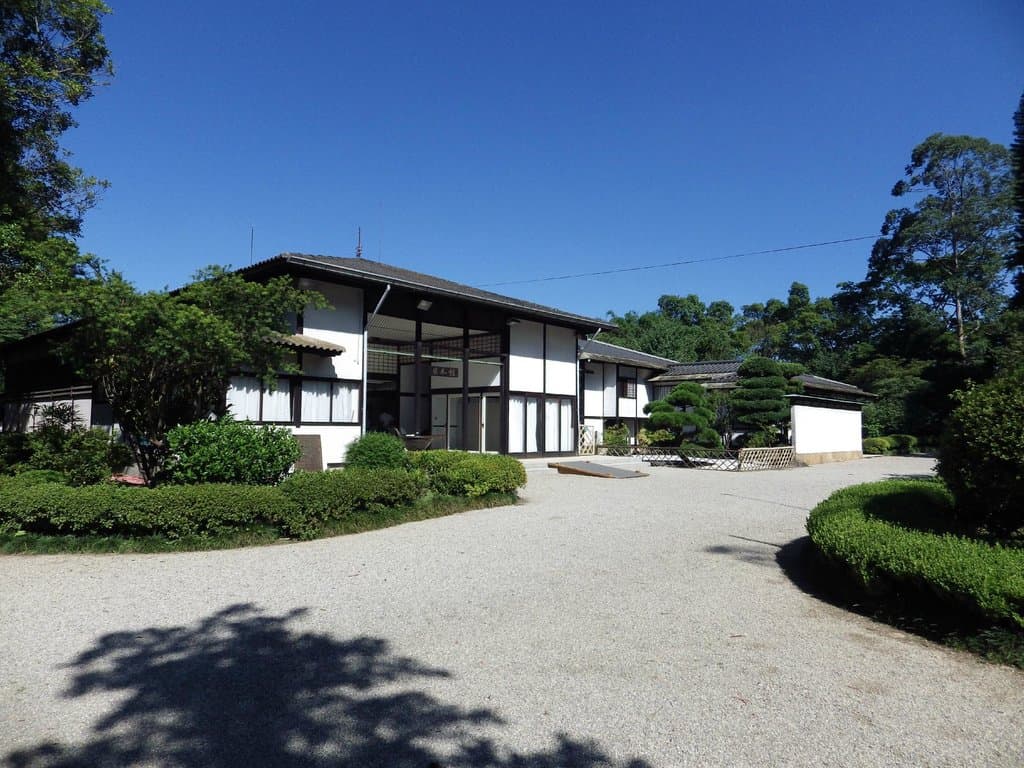
Japanese Pavilion
A serene Japanese oasis in São Paulo, featuring a tranquil koi pond, art exhibitions, and a tea room for cultural immersion.
Highlights
Must-see attractions

Social
From TikTok & Reddit
Best Time
Free entry & fewer crowds
Japanese Pavilion
Best Time
Free entry & fewer crowds
Highlights
Must-see attractions
A serene Japanese oasis in São Paulo, featuring a tranquil koi pond, art exhibitions, and a tea room for cultural immersion.
"A hidden gem offering harmony and beauty, perfect for a peaceful escape."
🎯 Free Entry Day
Visit on Thursdays for free admission! Otherwise, it's 15 BRL for adults. :admission_tickets:
🐠 Feed the Koi
You can buy food for the fish at the souvenir shop. They love it! :fish:
Highlights
Discover the most iconic attractions and experiences
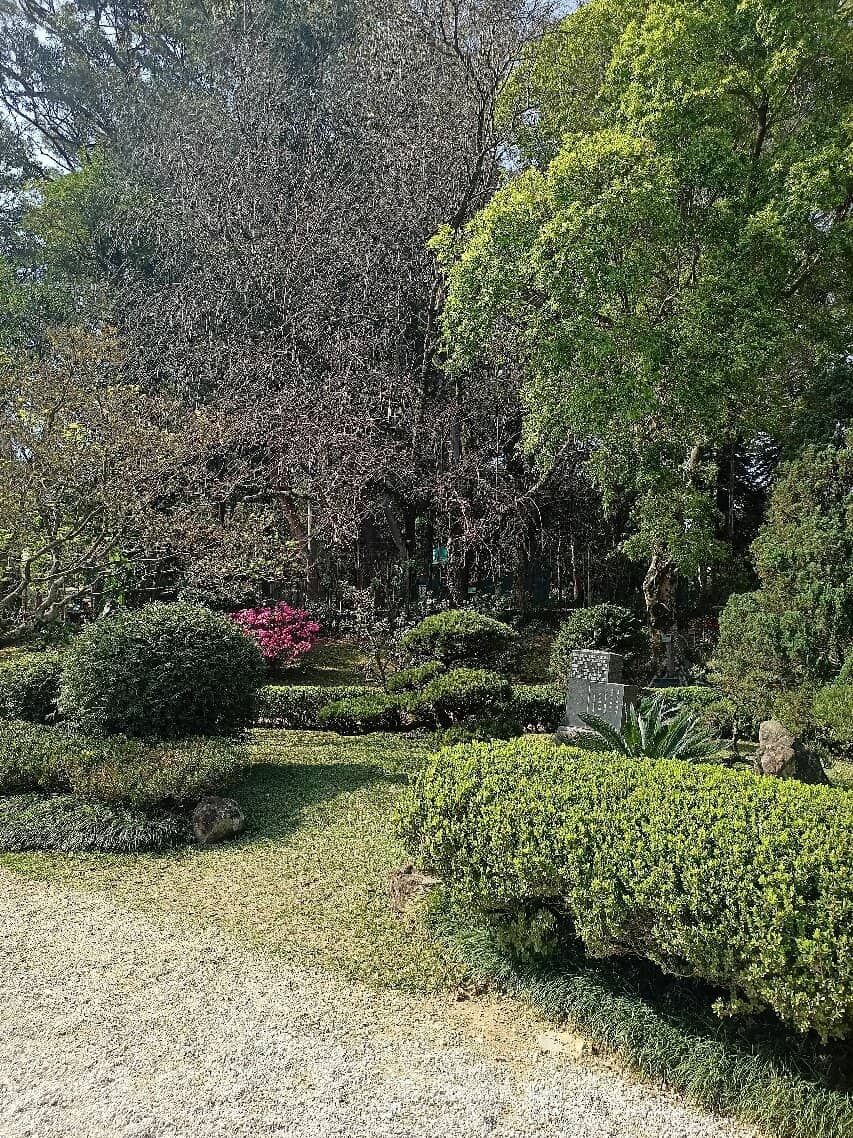
Koi Pond Serenity
Main Garden Area
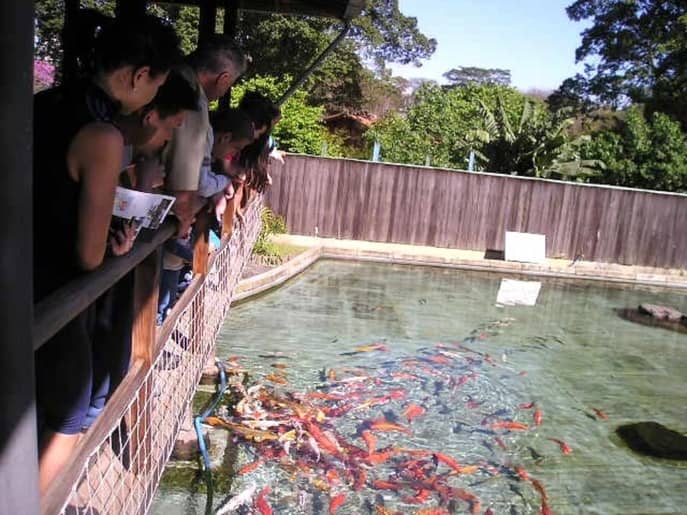
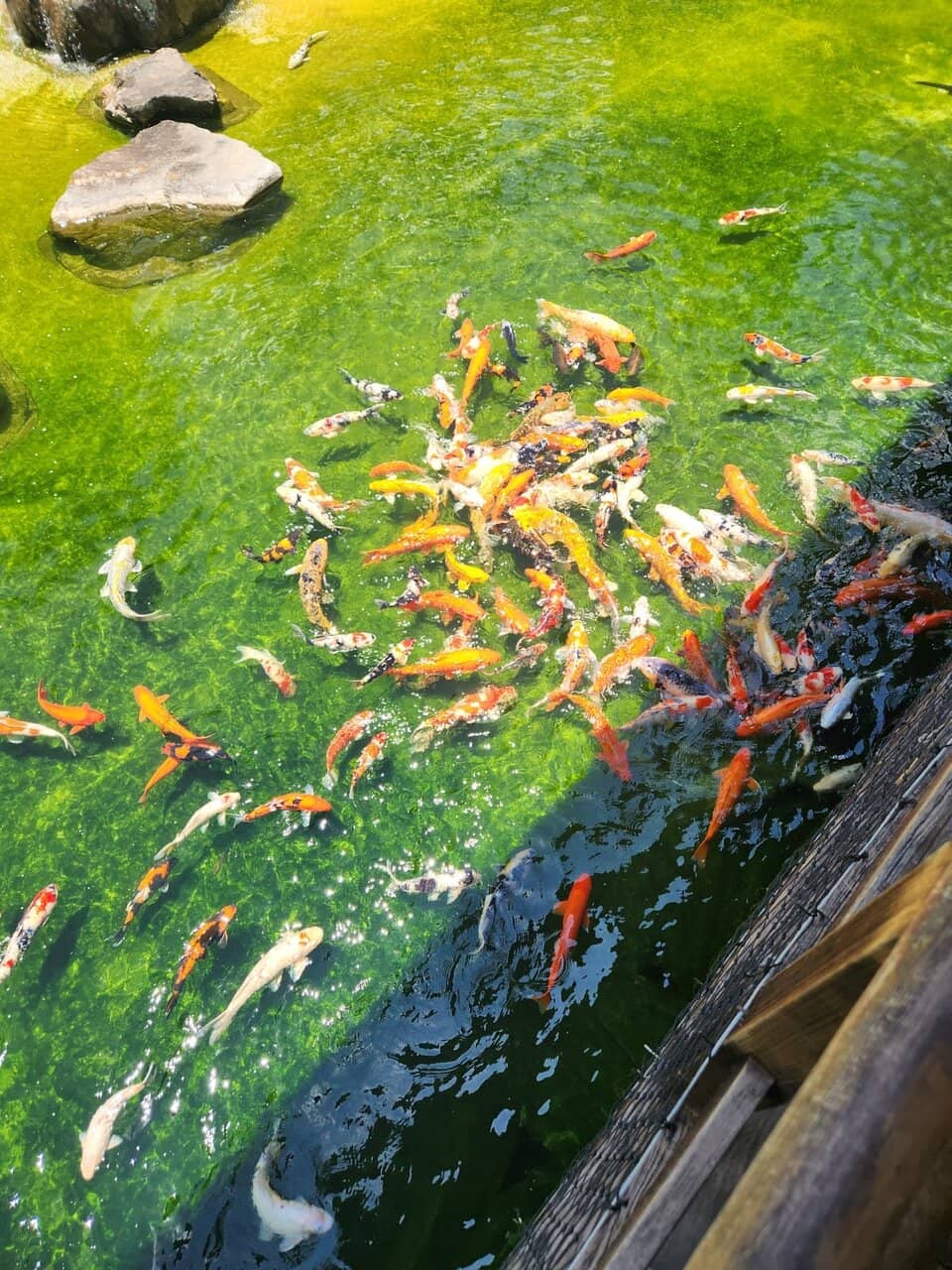
Watch vibrant koi fish glide through the tranquil waters of the meticulously maintained pond. A truly peaceful and picturesque scene.
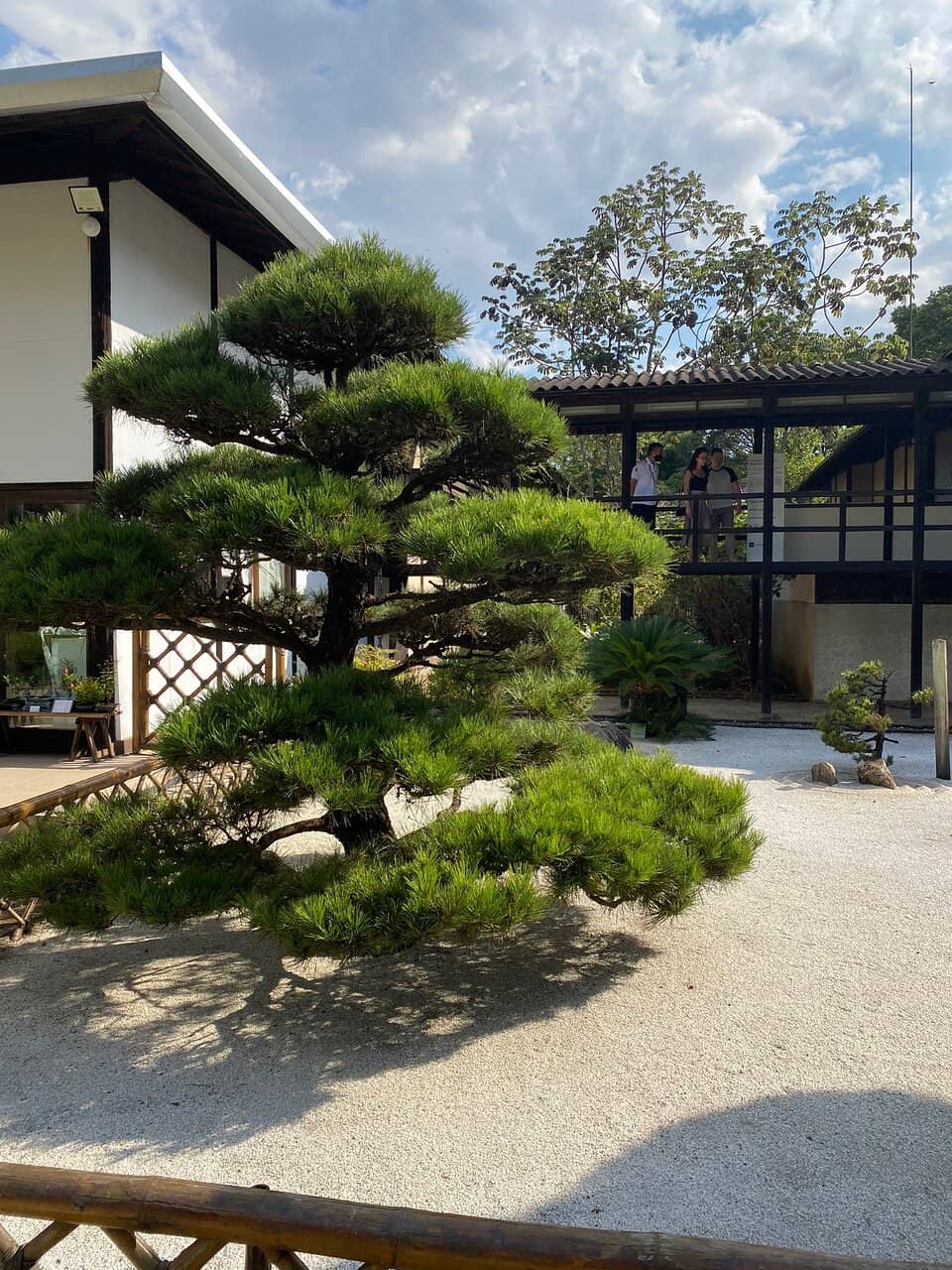
Art Exhibition Hall
Main Pavilion Building
Discover rotating exhibitions of traditional and contemporary Japanese art, offering a glimpse into the rich cultural heritage.
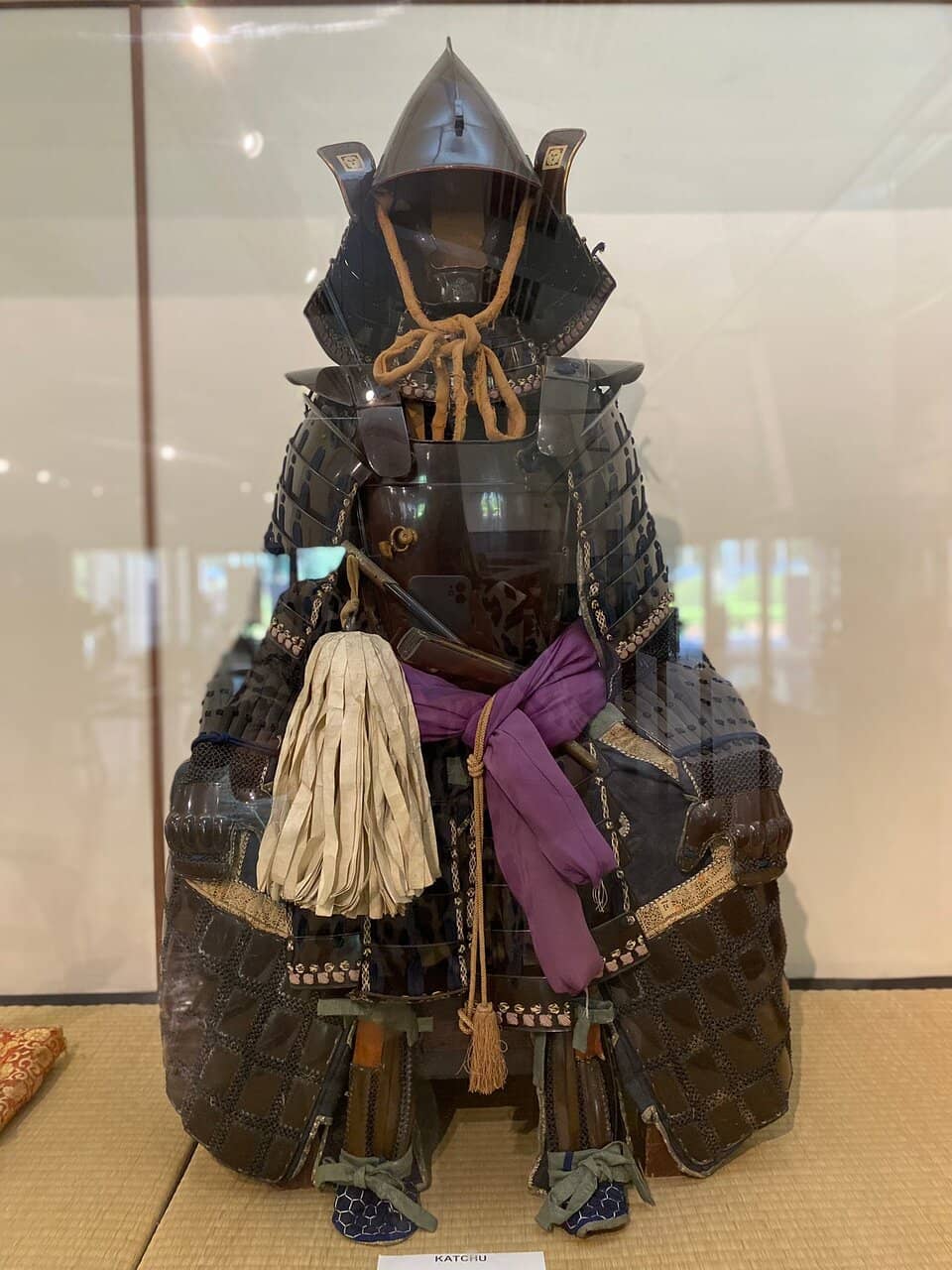
Tea Room Experience
Adjacent to Main Building
Experience a moment of calm in the traditional tea room, offering a taste of Japanese hospitality and a quiet respite.
Plans like a pro.
Thinks like you
Planning Your Visit
Timing is Key for Tranquility
Embrace the Details
Best Times
Insider Tips
from TikTok, Instagram & Reddit
🎯 Free Entry Day
Visit on Thursdays for free admission! Otherwise, it's 15 BRL for adults. :admission_tickets:
🐠 Feed the Koi
You can buy food for the fish at the souvenir shop. They love it! :fish:
📸 Capture the Calm
Best for quiet, reflective photos. Early mornings or late afternoons offer beautiful light. :camerawithflash:
🚶♀️ Explore at Leisure
It's not too big, so you can see everything calmly in about an hour. :athletic_shoe:
Tips
from all over the internet
🎯 Free Entry Day
Visit on Thursdays for free admission! Otherwise, it's 15 BRL for adults. :admission_tickets:
🐠 Feed the Koi
You can buy food for the fish at the souvenir shop. They love it! :fish:
📸 Capture the Calm
Best for quiet, reflective photos. Early mornings or late afternoons offer beautiful light. :camerawithflash:
🚶♀️ Explore at Leisure
It's not too big, so you can see everything calmly in about an hour. :athletic_shoe:
🛍️ Souvenir Treasures
The small gift shop has many interesting Japanese items. :gift:
What Travellers Say
Reviews Summary
Visitors praise the Japanese Pavilion for its tranquil atmosphere, beautiful koi pond, and engaging art exhibitions. It's considered a peaceful escape within the city, offering a taste of Japanese culture. Some note it's not as grand as pavilions in international expos, but its charm lies in its serene setting and friendly staff.
"Nice place to visit, good that Brasil and Japan maintain good relations. It’s not a spectacular Japanese garden or building, but does have some nice exhibits and the staff is very nice. A great collection of koi fish. Clean restrooms. It may be particularly enjoyable for people who have not had the pleasure of traveling to Japan."
GT Hodge
"Really cool place when it’s quiet and nice weather in the afternoon. Relax and listen to the music such a great vibe. Best to come on Thursday as it’s free"
Sheng C
"I went on a Thursday, and it was free (otherwise, it's 15BRL for an adult). It's a really nice section of the park. There's a mini museum, a beautiful pond filled with koi that you can feed, and a gift shop.
I highly recommend visiting to relax as it's a wonderful little place to spend some time alone, with a loved one or with your family."
Danny Quesnel
What People Like
What People Dislike
Frequently Asked Questions
🚇 🗺️ Getting There
The Japanese Pavilion is located within Parque Ibirapuera in São Paulo. You can reach the park by various bus lines or by ride-sharing services. Once inside the park, follow signs for the pavilion, which is often described as a 'hidden gem'.
Parque Ibirapuera has several parking lots. It's advisable to check the park's official website for current parking availability and fees, as they can vary.
Yes, several bus lines serve Ibirapuera Park. You can use a journey planner app or check the SPTrans website for routes and schedules from your location.
The pavilion is situated within the park grounds. While the park itself is large, the pavilion is a distinct area. Walking is the primary way to get around once inside the park.
Look for signs within Ibirapuera Park directing you to the 'Pavilhão Japonês'. It's often described as being in a tranquil, green area, away from the main bustling spots.
🎫 🎫 Tickets & Entry
Entry is typically 15 BRL for adults. However, many visitors highlight that Thursdays offer free admission, making it a popular day to visit.
Yes, Thursdays are widely reported as a day with free entry to the Japanese Pavilion. It's always a good idea to confirm this with the park's official information closer to your visit.
Opening hours can vary, but it's generally open during park hours. It's best to check the official Ibirapuera Park website or the pavilion's specific information for the most up-to-date hours.
Tickets are usually purchased on-site. For free entry days like Thursdays, no ticket purchase is necessary. If there's an admission fee, it's typically paid at the entrance.
Information on accessibility can be limited. It's recommended to contact the park administration directly for specific details regarding ramps, elevators, and accessible facilities within the pavilion.
📸 📸 Photography
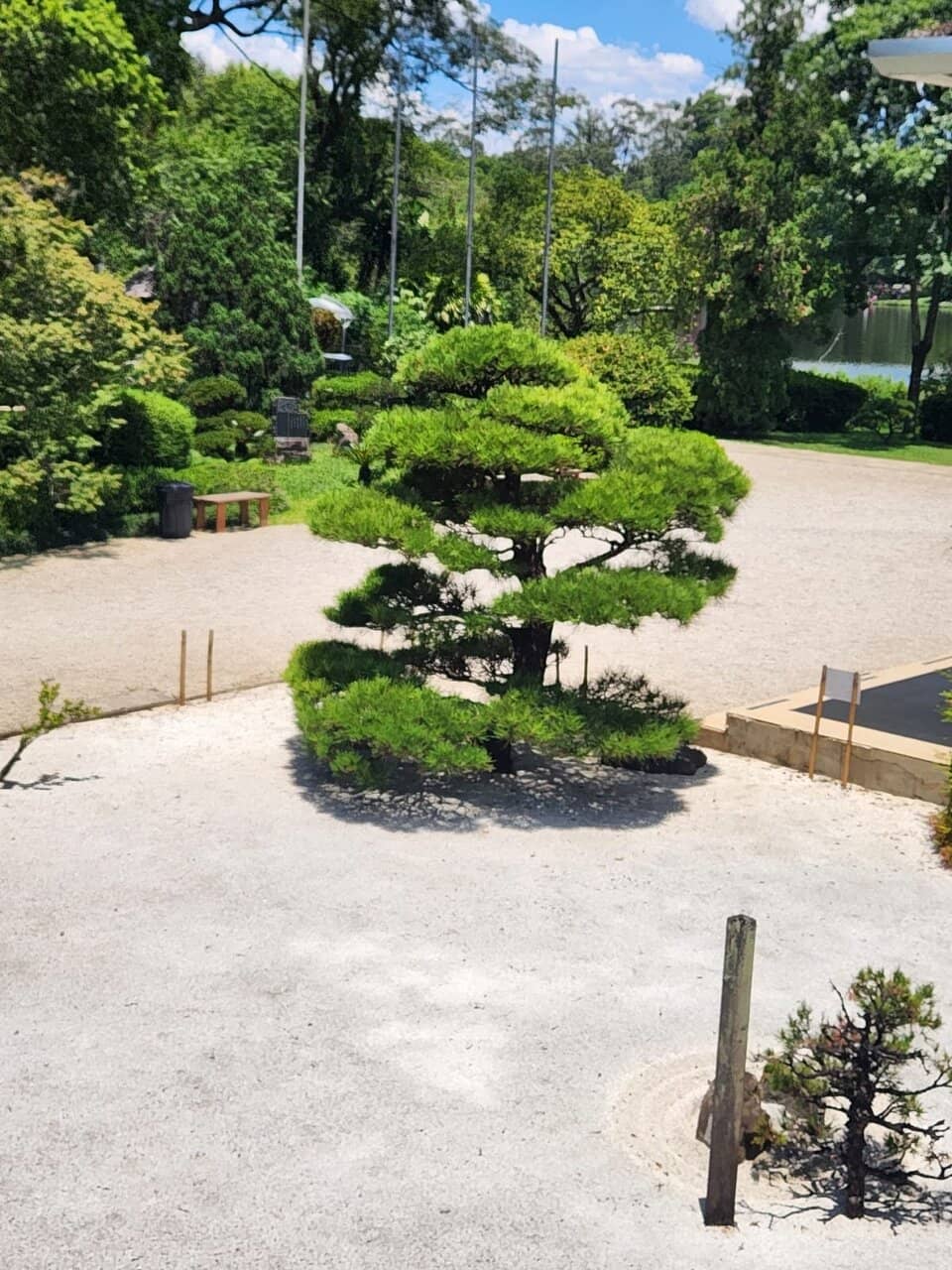
The koi pond with its carp is a major highlight for photos. The surrounding gardens, the pavilion's architecture, and any art exhibits also offer great photographic opportunities. Early mornings or late afternoons provide softer light.
Photography is generally allowed in most areas, especially in the gardens and exterior. However, always check for specific signage regarding photography restrictions within art exhibition halls or the tea room.
Tripod usage policies can vary. For professional shoots or extensive tripod use, it's advisable to inquire with the park management beforehand to avoid any issues.
Visitors often capture the serene koi pond, the traditional Japanese architecture, and the lush greenery. It's a popular spot for nature photography and capturing peaceful moments.
The golden hours around sunrise and sunset offer beautiful lighting. Weekday mornings, especially on Thursdays, will provide fewer people in your shots, allowing for more unobstructed photos.
🍽️ 🍽️ Food & Dining
Yes, there is a cafe where you can buy traditional Japanese food and enjoy it. It's a nice option for a light meal or snack during your visit.
The cafe offers traditional Japanese food. While specific menus can change, expect items that complement the cultural experience.
While you can typically bring food and drinks into Parque Ibirapuera, it's best to consume them in designated picnic areas rather than within the pavilion itself to maintain its serene atmosphere.
Parque Ibirapuera has several other cafes and snack bars scattered throughout its grounds, offering a variety of options if the pavilion's cafe doesn't suit your needs.
There are many green spaces within Ibirapuera Park suitable for picnics. You can enjoy your own food in these areas before or after visiting the pavilion.
🎫 💡 Onsite Experience
You can admire the koi pond, explore art exhibitions on the first floor, visit the tea room, and browse the souvenir shop. It's a place for relaxation and cultural appreciation.
Most visitors find that an hour is sufficient to see everything at a relaxed pace. However, you can spend longer if you wish to linger by the pond or fully appreciate the art exhibits.
Occasionally, the pavilion hosts interesting Japanese events. It's worth checking local event listings or the park's announcements for any upcoming cultural activities.
The atmosphere is described as serene, harmonious, and tranquil. It's a place to relax, listen to nature, and escape the city's bustle.
Yes, you can purchase special food for the koi fish at the souvenir shop. It's a popular activity for visitors of all ages.
For Different Travelers
Tailored advice for your travel style
👨👩👧 Families with Kids
Keep in mind that the pavilion is a place of tranquility, so encourage children to use their 'inside voices' and walk calmly. The cafe offers a chance for a snack, and the souvenir shop might have small, culturally relevant items. Visiting on a Thursday for free entry can make it a more budget-friendly outing. It's a relatively contained space, making it manageable for families with younger children who might have shorter attention spans.
🧘♀️ Solo Travelers Seeking Peace
The art exhibitions offer a chance for quiet contemplation and cultural immersion. The tea room is also a wonderful spot to enjoy a moment of solitude. Visiting on a weekday, especially Thursday for free entry, ensures minimal distractions. It's a place where you can truly disconnect from the hustle and bustle and reconnect with yourself amidst natural beauty and cultural artistry.
📸 Photography Enthusiasts
To maximize your photographic experience, aim for early mornings or late afternoons for the best light. Weekday visits, particularly Thursdays, are crucial for avoiding crowds and getting unobstructed shots. Consider bringing a tripod for stable shots, especially in lower light conditions, but be sure to check park regulations. The art exhibitions can also provide interesting subjects, but always be mindful of any photography restrictions within those spaces.
Deep Dives
In-depth insights and expert knowledge
The Art of Tranquility: Experiencing the Japanese Pavilion
Beyond the natural beauty, the pavilion houses an art exhibition hall on its first floor, showcasing a rotating collection of traditional and contemporary Japanese art. This provides a valuable cultural insight, allowing visitors to connect with Japan's rich artistic heritage. The adjacent tea room offers a more intimate experience, a space for quiet contemplation and a taste of Japanese hospitality. The entire setting is meticulously maintained, reflecting a deep respect for nature and aesthetics, making it a true gem for those seeking a moment of calm and inspiration.
Many visitors recommend visiting on a Thursday for free entry and fewer crowds, allowing for a more profound and undisturbed experience.
Photography Tips for the Japanese Pavilion
When photographing the architecture, focus on the clean lines and traditional elements that blend seamlessly with the natural surroundings. Look for interesting angles that showcase the pavilion's integration with the garden. If there's an art exhibition, be mindful of any photography restrictions. Often, general photography is allowed, but flash might be prohibited to protect the artworks. The tea room offers a more intimate setting, perfect for capturing details of the interior design and serene ambiance, if photography is permitted.
To get the best shots without crowds, aim for weekday mornings, especially on Thursdays when entry is free.




Social
from TikTok, Instagram & Reddit