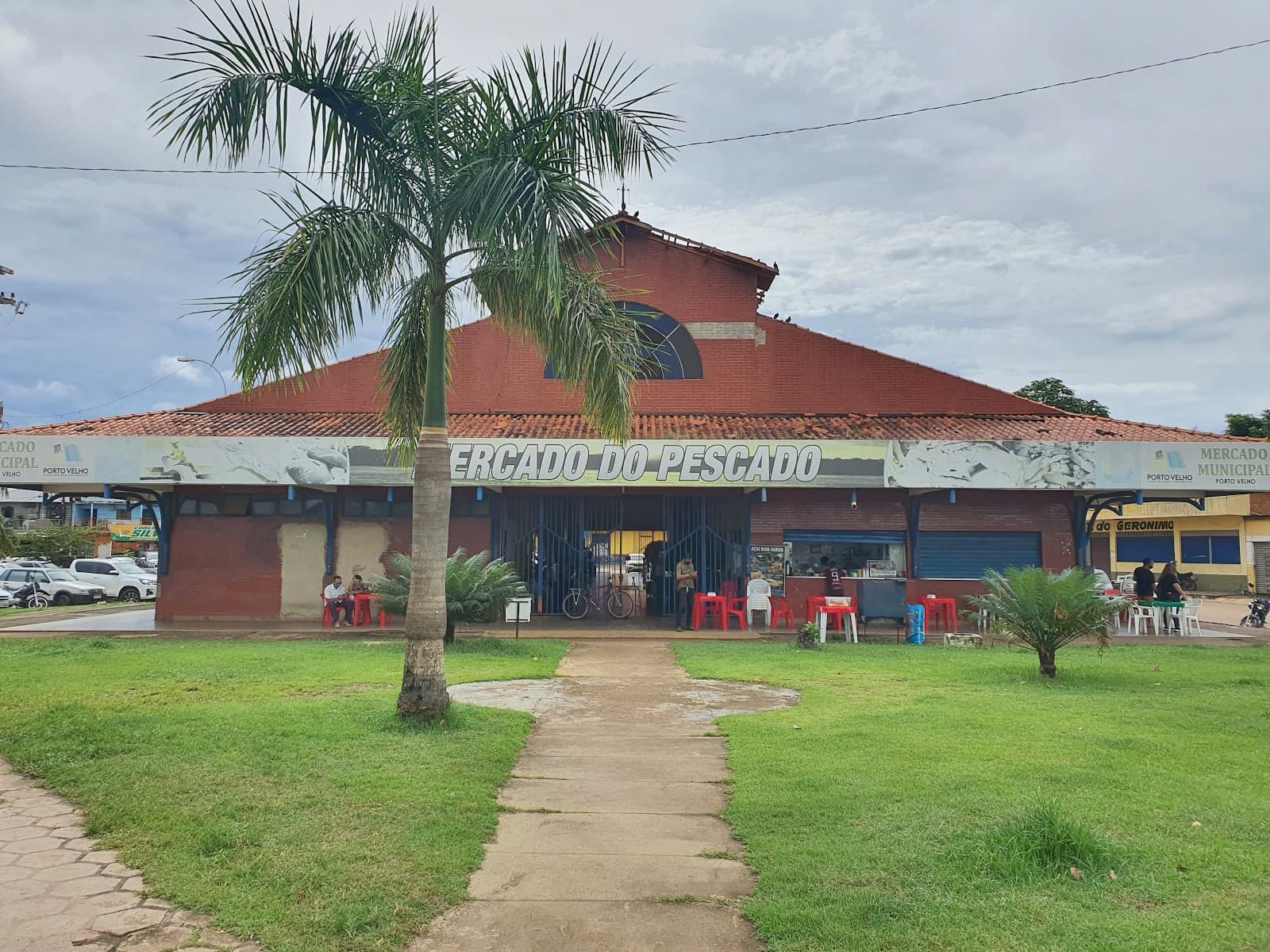
Fish Market Mercado do Peixe
A vibrant hub for fresh seafood, local flavors, and authentic community life, though some locations may show signs of neglect.
Highlights
Must-see attractions

Social
From TikTok & Reddit
Best Time
Freshest catch, liveliest atmosphere
Fish Market Mercado do Peixe
Best Time
Freshest catch, liveliest atmosphere
Highlights
Must-see attractions
A vibrant hub for fresh seafood, local flavors, and authentic community life, though some locations may show signs of neglect.
"Experience the freshest catch and local culinary delights, but be prepared for varying conditions."
🎯 Arrive Early for Best Selection
Get the freshest fish and avoid the biggest crowds by visiting in the early morning hours.
🍽️ Taste Local Flavors
Many markets offer prepared dishes. Don't miss the chance to try regional specialties!
Quick Facts
Hours
Rating
3.6 · 11 reviews
Type
Market
Highlights
Discover the most iconic attractions and experiences
Fresh Catch of the Day
Experience the vibrant display of the day's freshest seafood, a true sensory delight for any food lover.
Local Culinary Delights
Savor authentic regional dishes prepared with the freshest ingredients, offering a taste of local flavors.
A Glimpse into Local Life
Witness the daily hustle and bustle, interacting with vendors and experiencing the authentic rhythm of the community.
Plans like a pro.
Thinks like you
Planning Your Visit
Timing is Everything
Beyond the Catch
Best Times
Insider Tips
from TikTok, Instagram & Reddit
🎯 Arrive Early for Best Selection
Get the freshest fish and avoid the biggest crowds by visiting in the early morning hours.
🍽️ Taste Local Flavors
Many markets offer prepared dishes. Don't miss the chance to try regional specialties!
💰 Bargain Wisely
While prices are often good, a little friendly negotiation can sometimes yield better deals.
🚶♀️ Explore Beyond the Stalls
Look for unique local products, spices, or crafts beyond just the fish.
Tips
from all over the internet
🎯 Arrive Early for Best Selection
Get the freshest fish and avoid the biggest crowds by visiting in the early morning hours.
🍽️ Taste Local Flavors
Many markets offer prepared dishes. Don't miss the chance to try regional specialties!
💰 Bargain Wisely
While prices are often good, a little friendly negotiation can sometimes yield better deals.
🚶♀️ Explore Beyond the Stalls
Look for unique local products, spices, or crafts beyond just the fish.
🧐 Check Market Status
Some markets may have reduced operations or be undergoing renovations. Check recent reviews or social media.
What Travellers Say
Reviews Summary
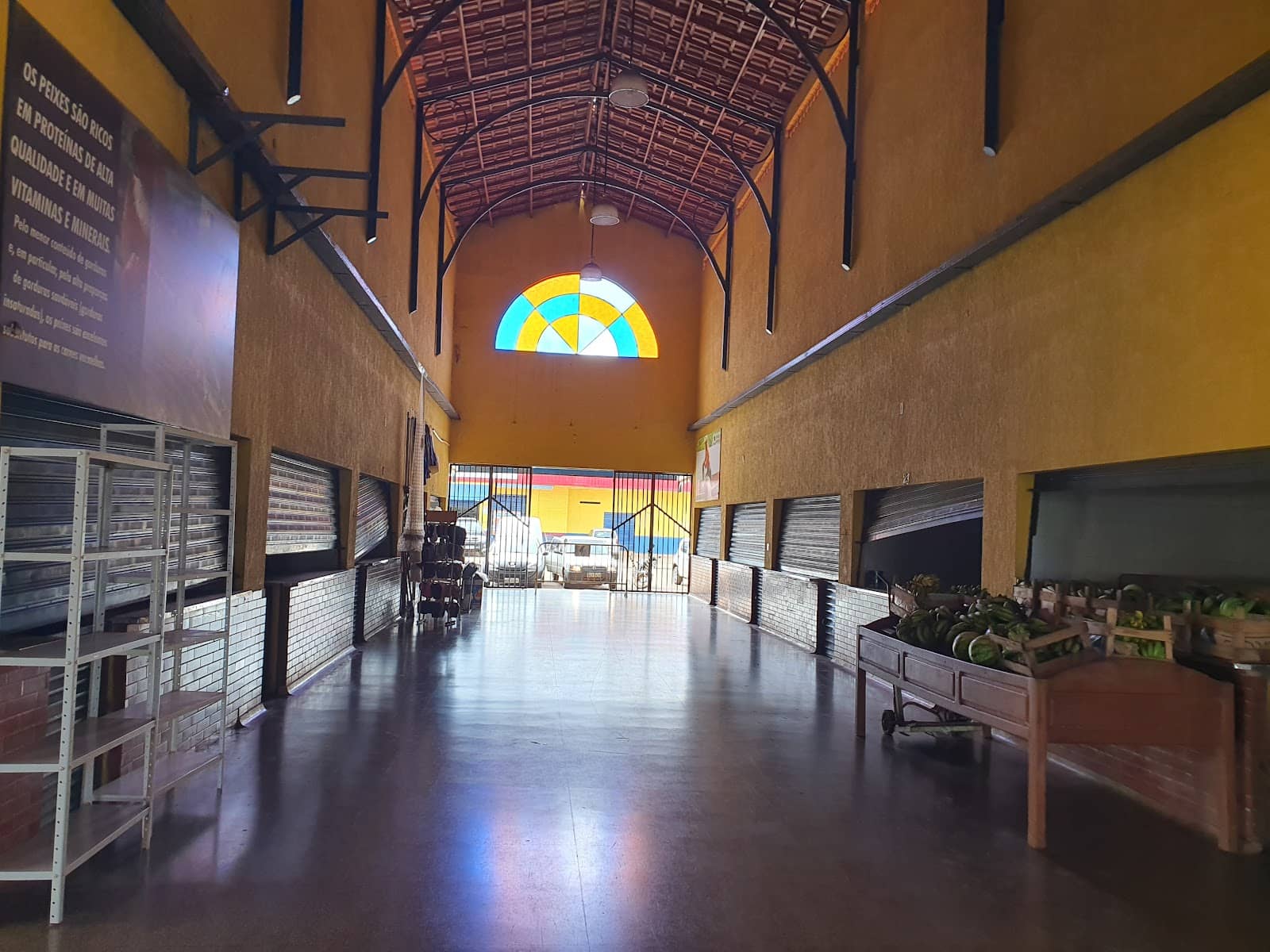
Reviews for Mercado do Peixe are mixed, with some highlighting its potential for fresh, affordable seafood and a glimpse into local life. However, several visitors note that many markets are in a state of disrepair, with closed stalls and a general lack of upkeep, leading to a less-than-ideal tourist experience in some locations.
"Um lugar pracamente abandonado....lojas fechadas .... sujo... o entorno pior ainda... com um clima de periferia ... e só tinha 2 barracas vendendo peixes na calçada...
Longe de ser um ponto turístico..."
marcos miorali
"Infelizmente o mercado hoje, em virtude da pandemia, está praticamente fechado. Poucos "box" funcionando e quase nenhum movimento. Mas aqui é muito bom pra se comprar peixes frescos, verdadeiros "troféus" que representam muito bem a diversidade do pescado amazônico. Vale a pena conhecer."
Ari Brito
"O mercado do pescado precisa se de uma boa reforma, pois está necessitado, ele está abandonada pelo poder público."
Deise Capistrano
What People Like
What People Dislike
Frequently Asked Questions
🚇 🗺️ Getting There
Access to the Mercado do Peixe can vary greatly depending on its specific location. Many are accessible by local public transport, such as buses or trams. For markets in larger cities like Tokyo, the subway is often the most efficient way to reach areas like Tsukiji or Toyosu.
Parking availability can be a challenge, especially in busy urban markets. Some locations might have dedicated parking lots, while others rely on street parking or nearby public garages. If driving, research parking options in advance to avoid stress.
Generally, most public fish markets do not have an entrance fee. They are open to the public for shopping and browsing. However, some specialized markets or associated attractions might have separate admission costs.
For large markets, like those in Tokyo or Olhão, it's helpful to have a general idea of the layout. Many have distinct sections for different types of seafood or produce. Walking and observing is often the best approach, but don't hesitate to ask vendors for directions.
Operating hours can differ significantly, with some markets closed on Sundays or having reduced hours. It's crucial to verify the specific market's schedule, as many are busiest on weekend mornings but may close early or entirely on Sundays.
🎫 🎫 Tickets & Entry
Typically, no tickets are required to enter and browse most public fish markets. They function as open-air or covered marketplaces. However, if you plan to participate in specific events like early morning tuna auctions (e.g., at Toyosu Market), advance booking or special access might be necessary.
Fish markets are often early risers, with many opening their doors between 4 AM and 7 AM to catch the freshest morning catch. Some may stay open until late afternoon, while others close by midday. It's essential to check the specific hours for the market you plan to visit, as they can vary greatly.
Generally, you can buy any available fish or seafood. However, some exotic or protected species might have restrictions. For prepared foods, there are usually no restrictions.
Photography is usually permitted in most areas of fish markets, allowing you to capture the vibrant atmosphere. However, always be respectful of vendors and customers. Some vendors might prefer not to have their photos taken, so it's polite to ask first.
Comfortable, closed-toe shoes are highly recommended as market floors can be wet and slippery. Dress in layers, as temperatures can fluctuate. If you plan on buying a lot, consider bringing a reusable bag or cooler.
🎫 🎣 Onsite Experience
The variety of fish depends heavily on the market's location and local marine life. You might find everything from common species like tilapia and sea bass to exotic catches like pirarucu or even sea turtles in some regions. Markets in coastal areas will offer a wider selection of saltwater fish and shellfish, while inland markets might focus on freshwater species.
Absolutely! Many fish markets have food stalls where you can purchase freshly prepared seafood dishes. This is a fantastic way to taste the local cuisine. Some vendors might even offer small samples of their products.
While many vendors pride themselves on freshness, consuming raw fish carries inherent risks. If you choose to eat raw seafood, ensure it's from a reputable stall with high hygiene standards. For those concerned, cooked options are widely available.
To avoid the peak crowds, try visiting on a weekday morning, shortly after opening. While the early morning offers the freshest catch, the hours just before closing can also be less hectic, though selection might be limited.
Yes, many fish markets also sell complementary items such as fresh vegetables, fruits, spices, local crafts, and sometimes even live poultry or other meats. In places like Olhão, you might find dried octopus or roe.
🍽️ 🍽️ Food & Dining
This truly depends on the region! In Brazil, you might find delicious fish stews, grilled tambaqui, or bolinhos de pirarucu. In Portugal, expect fresh grilled sardines or octopus dishes. Markets in Asia, like Tokyo's Tsukiji, are famous for incredibly fresh sushi and sashimi.
Many fish markets are known for offering hearty and economical meals. You can often find delicious, freshly prepared seafood dishes at very reasonable prices, making it a great spot for budget-friendly dining.
Absolutely! This is the primary purpose of most fish markets. You can purchase a wide variety of fresh or frozen fish and seafood to take home and prepare yourself.
Reputable markets generally enforce strict hygiene standards. Look for stalls that are clean, where food is properly stored, and where vendors handle food with care. Observing how other locals interact with the stalls can also be a good indicator.
While the focus is on seafood, many markets also have stalls selling fresh produce, fruits, and sometimes baked goods or other snacks that can cater to vegetarians. However, dedicated vegan options might be limited.
📸 📸 Photography
The vibrant colors of the fresh fish, the bustling activity of vendors and shoppers, and the unique textures of seafood are all fantastic subjects. Capture close-ups of the catch, wide shots of the market's energy, and candid moments of interaction.
Early morning offers dramatic lighting as the market comes alive. Midday can be challenging due to harsh light, but the activity is at its peak. Late afternoon might offer softer light and fewer crowds.
Look for areas with a high concentration of colorful displays, busy preparation stations, or unique architectural features of the market. The interaction between vendors and customers often makes for compelling shots.
A versatile lens, like a 24-70mm, is great for capturing both wide scenes and details. A fast prime lens can be useful in lower light. A polarizing filter can help reduce glare on wet surfaces.
Always be respectful. Ask permission before taking close-up shots of individuals, especially vendors. Be aware of your surroundings to avoid bumping into people or equipment.







Social
from TikTok, Instagram & Reddit