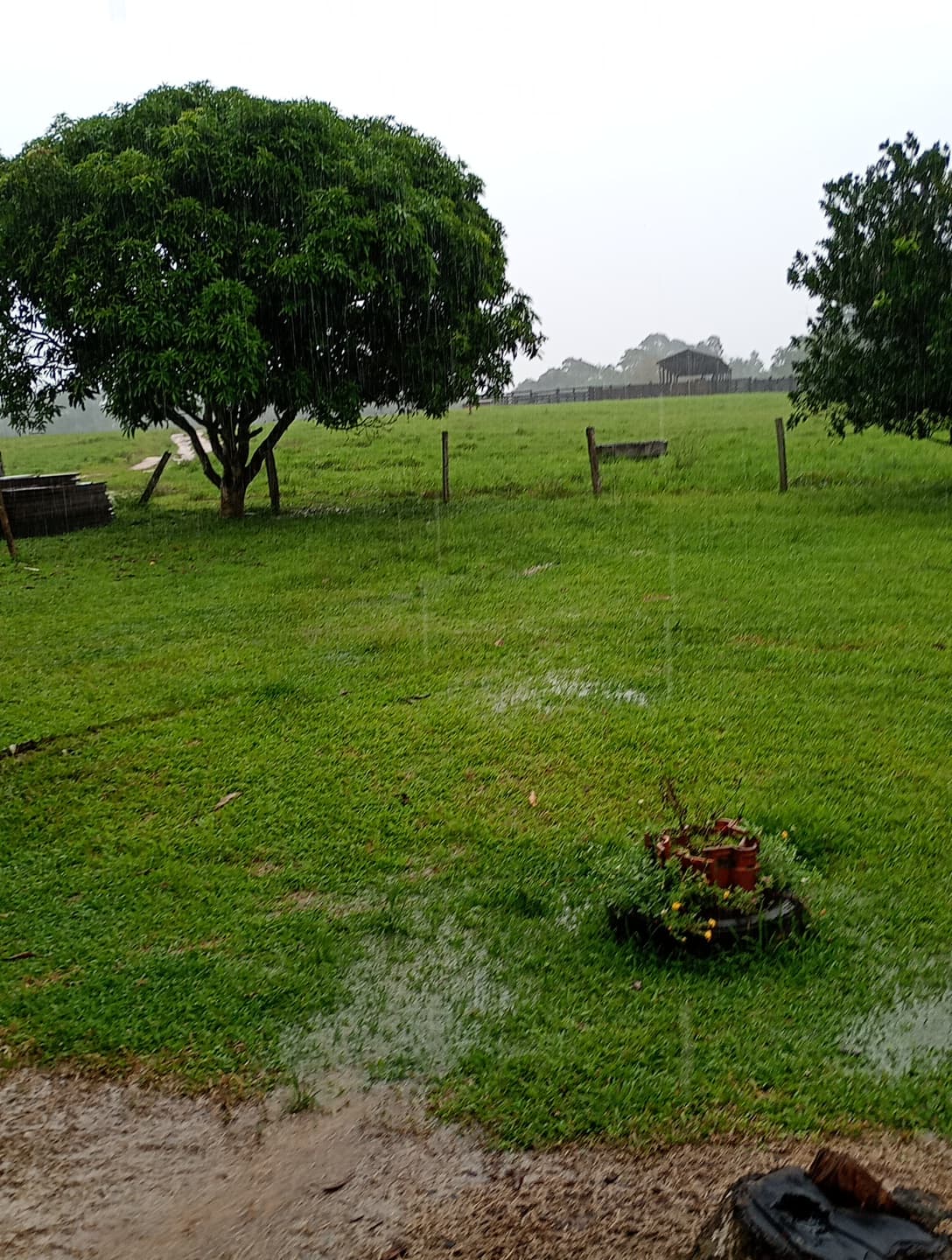
Chico Mendes Extractive Reserve
A vital Amazonian reserve protecting biodiversity and the livelihoods of forest-dependent communities through sustainable practices.
Highlights
Must-see attractions

Social
From TikTok & Reddit
Best Time
Easier access and better wildlife spotting
Chico Mendes Extractive Reserve
Best Time
Easier access and better wildlife spotting
Highlights
Must-see attractions
A vital Amazonian reserve protecting biodiversity and the livelihoods of forest-dependent communities through sustainable practices.
"An unforgettable journey into the heart of the Amazon, showcasing nature's grandeur and human resilience."
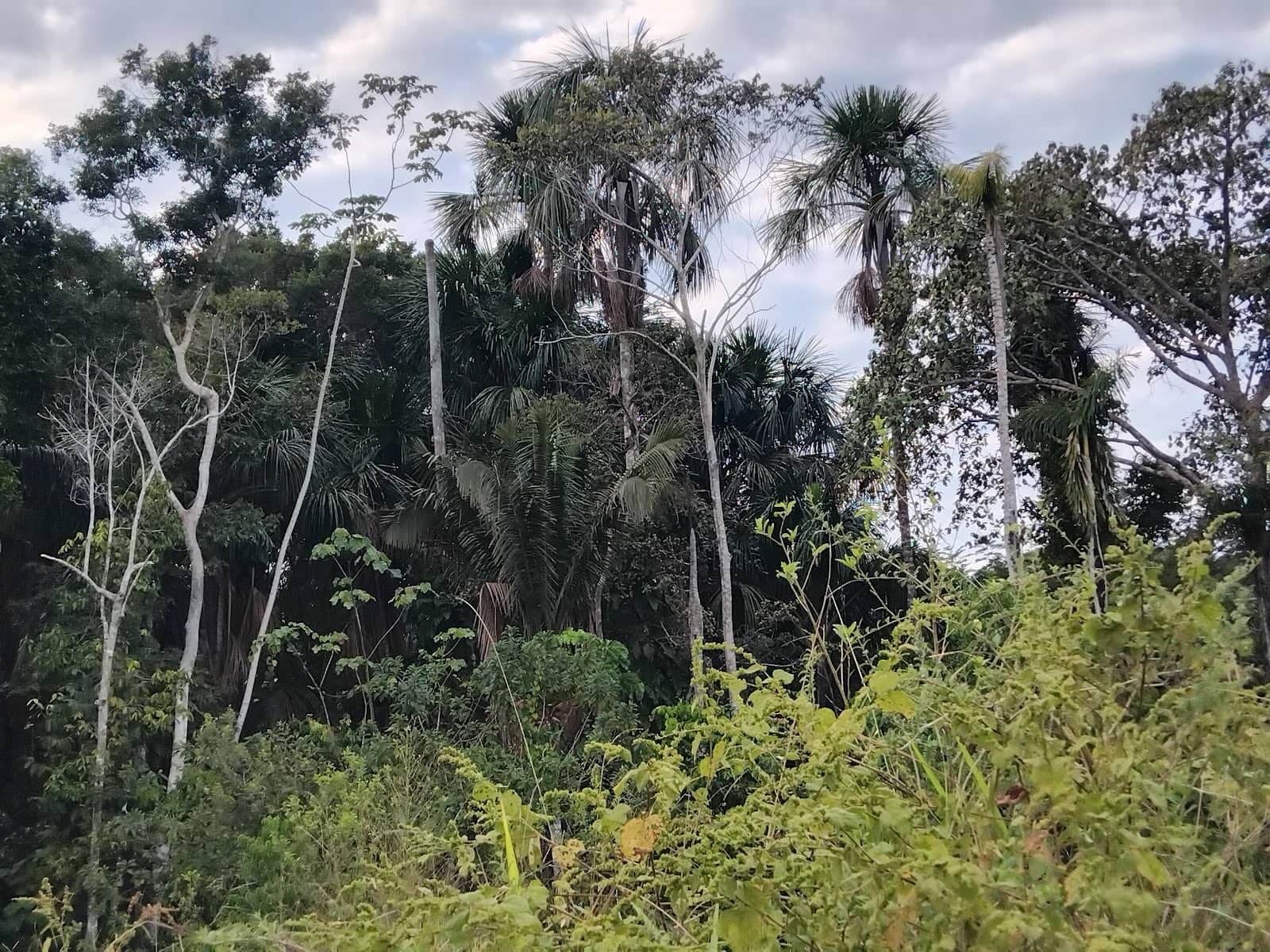
Hire a Local Guide
Essential for navigating the reserve and understanding its ecosystem. They know the best spots for wildlife! :bustsinsilhouette:
Pack Light & Smart
Bring insect repellent, sunscreen, a hat, and lightweight, quick-drying clothing. :bug: :sunwithface:
Quick Facts
Rating
5 · 3 reviews
Type
Park
Highlights
Discover the most iconic attractions and experiences
Biodiversity Hotspot
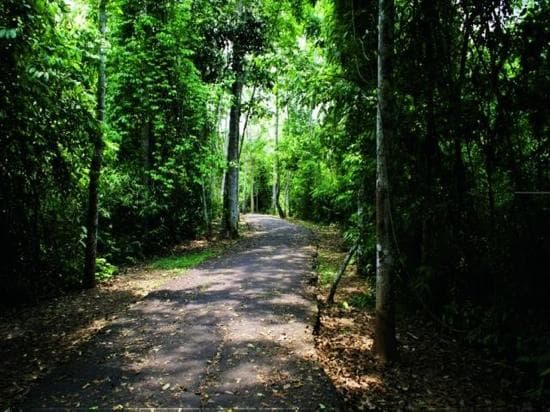
Witness an incredible array of Amazonian flora and fauna in their natural habitat. Keep an eye out for monkeys, birds, and unique plant species.
Local Community Life
Gain insight into the sustainable living practices of the reserve's inhabitants, who depend on the forest for their livelihood.
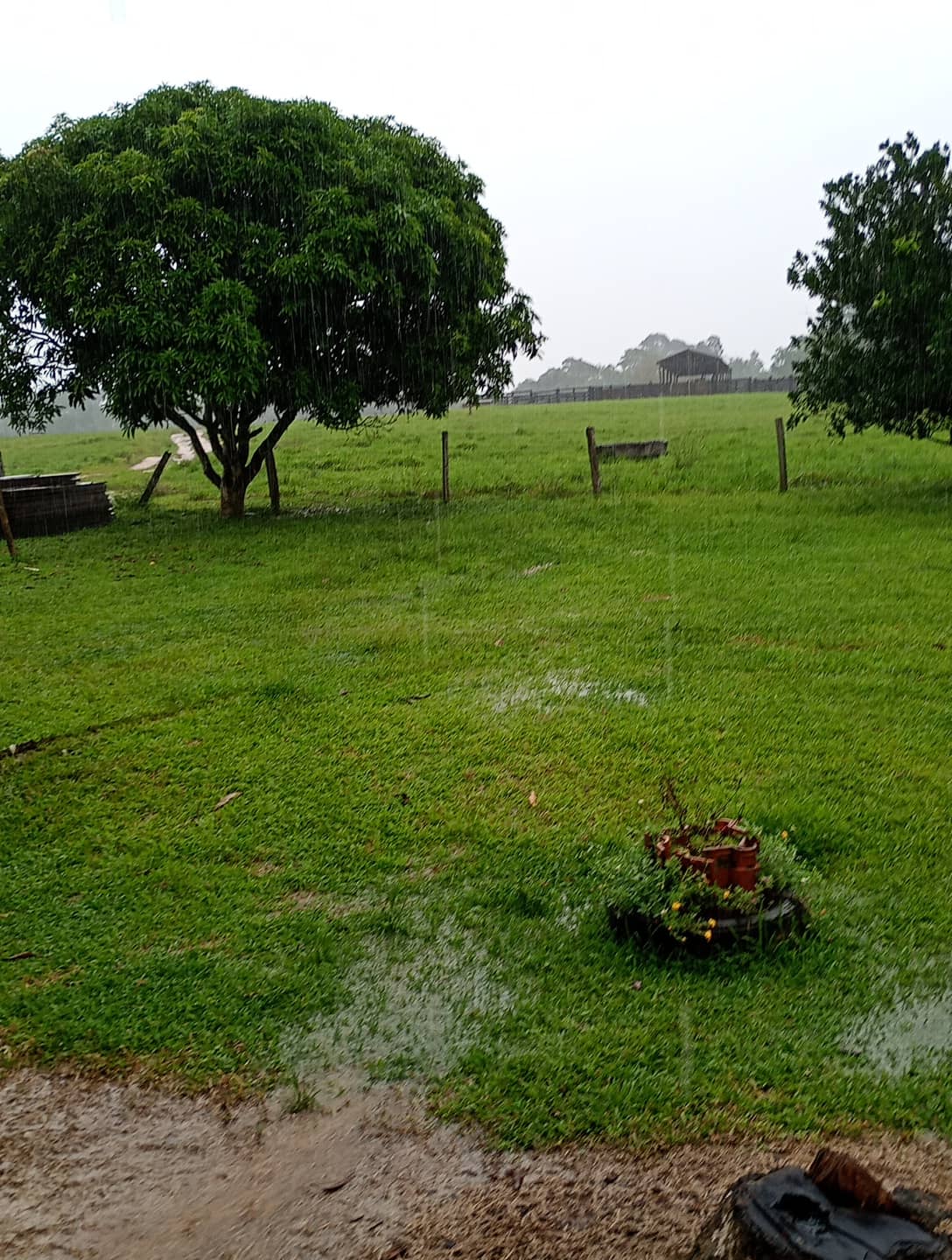
River Exploration
Navigate the tranquil rivers and tributaries that wind through the reserve, offering a unique perspective of the lush rainforest.
Plans like a pro.
Thinks like you
Planning Your Visit
Respecting Reserve Rules
Planning Your Visit
Best Times
Insider Tips
from TikTok, Instagram & Reddit
Hire a Local Guide
Essential for navigating the reserve and understanding its ecosystem. They know the best spots for wildlife! :bustsinsilhouette:
Pack Light & Smart
Bring insect repellent, sunscreen, a hat, and lightweight, quick-drying clothing. :bug: :sunwithface:
Respect Wildlife
Observe animals from a distance and never feed them. Maintain a quiet presence to avoid disturbing their natural behavior. 🦌
Stay Hydrated
Carry plenty of water, especially during warmer months. Dehydration can be a serious concern in the Amazon. :water_wave:
Tips
from all over the internet
Hire a Local Guide
Essential for navigating the reserve and understanding its ecosystem. They know the best spots for wildlife! :bustsinsilhouette:
Pack Light & Smart
Bring insect repellent, sunscreen, a hat, and lightweight, quick-drying clothing. :bug: :sunwithface:
Respect Wildlife
Observe animals from a distance and never feed them. Maintain a quiet presence to avoid disturbing their natural behavior. 🦌
Stay Hydrated
Carry plenty of water, especially during warmer months. Dehydration can be a serious concern in the Amazon. :water_wave:
What Travellers Say
Reviews Summary
Visitors praise the Chico Mendes Extractive Reserve for its incredible biodiversity and the opportunity to learn about sustainable living. The immersive rainforest experience and the chance to connect with local communities are frequently highlighted as major draws. However, some find the logistical challenges and basic amenities to be significant hurdles.
""
Alessandro Virgino
""
Agenor Sebastião de Oliveira
""
Milton Tiago
What People Like
What People Dislike
Frequently Asked Questions
🚇 🗺️ Getting There
Access to the Chico Mendes Extractive Reserve is primarily through the city of Rio Branco, Acre. From Rio Branco, you'll typically need to arrange boat transport or hire a local guide with a vehicle capable of handling the terrain. The journey can be lengthy and requires careful planning, often involving multiple modes of transport.
While technically possible, visiting independently is highly discouraged due to the complex logistics and potential dangers. Hiring a local guide is strongly recommended for safety, navigation, and a richer understanding of the reserve's ecology and culture.
Travel within the reserve is typically done by boat along its rivers and tributaries, or on foot via trails. Local guides will arrange appropriate transportation, which may include motorized canoes or smaller boats.
The closest major airport is the Presidente Medici International Airport (RBR) in Rio Branco, Acre. From Rio Branco, further arrangements are needed to reach the reserve itself.
Road conditions can be highly variable and often challenging, especially outside of the dry season. Many areas are accessible only by river or require specialized vehicles.
🎫 🎫 Tickets & Entry
Entry to the Chico Mendes Extractive Reserve typically does not involve purchasing traditional tickets. However, you will likely incur costs for transportation, guides, and potentially accommodation if staying overnight. It's best to confirm with your chosen tour operator or guide.
As a protected natural area, the reserve doesn't have fixed opening and closing hours like a museum. Access is generally permitted during daylight hours, but specific entry points or guided tours may have their own schedules.
There isn't a standard entrance fee. Costs are associated with the services you utilize, such as boat hire, guide fees, and any community-based tourism initiatives.
It is highly recommended to book your visit, especially guided tours and transportation, in advance, particularly if you are traveling during peak season or have specific requirements.
Yes, the reserve has strict regulations against activities like cattle ranching and deforestation. Visitors are expected to adhere to conservation guidelines and respect the local communities.
🎫 🧭 Onsite Experience
The reserve is home to a rich diversity of Amazonian wildlife, including various species of monkeys, birds (like macaws and toucans), sloths, capybaras, and potentially jaguars. The rivers may also host caimans and river dolphins.
Activities include guided jungle treks, boat tours along the rivers, bird watching, learning about sustainable resource management from local communities, and experiencing the unique ecosystem.
With a reputable local guide, the reserve is generally safe. However, it's a wild environment, so awareness of your surroundings, following guide instructions, and taking precautions against insects and the elements are crucial.
Lightweight, long-sleeved shirts and pants are recommended to protect against the sun and insects. Comfortable, sturdy walking shoes or boots are essential for treks. A hat and sunglasses are also advisable.
Yes, photography and videography are generally allowed, but always be respectful of wildlife and local communities. Avoid using flash photography directly at animals, as it can disturb them.
🍽️ 🍽️ Food & Dining
Dining options are limited and often integrated with community-based tourism. You can expect to eat traditional Amazonian meals prepared by local families, often featuring fresh fish, fruits, and vegetables.
It's a good idea to bring some snacks and extra water, especially for longer excursions. However, be mindful of waste and pack out everything you bring in.
There are no formal restaurants or cafes within the reserve. Meals are typically provided as part of guided tours or homestay experiences with local communities.
Expect simple, hearty meals based on local ingredients. This often includes grilled or stewed fish, rice, beans, manioc flour (farinha), and a variety of tropical fruits like açaí, cupuaçu, and banana.
It's best to communicate any dietary restrictions or allergies to your guide or host family well in advance. While they will do their best, options might be limited in such a remote setting.
📸 📸 Photography
The rivers and their banks offer stunning photographic opportunities, especially during sunrise and sunset. Look for wildlife perched in trees or along the water's edge. The dense rainforest canopy also creates dramatic light play.
A telephoto lens is highly recommended for capturing wildlife from a distance. A wide-angle lens can be useful for landscapes and the vastness of the rainforest. A sturdy tripod or monopod can help with low-light conditions.
Generally, no specific restrictions apply to photography, but always be mindful and respectful. Avoid disturbing wildlife with excessive noise or intrusive behavior. Always ask permission before photographing local people.
The 'golden hours' around sunrise and sunset offer the most beautiful light for landscape and wildlife photography. Early mornings are also excellent for spotting active animals.
Focus on the interplay between the lush vegetation, the winding rivers, and the diverse wildlife. Include shots that convey the scale of the forest and the intimate details of plant life. Portraits of local community members (with permission) can add a human element.

Social
from TikTok, Instagram & Reddit