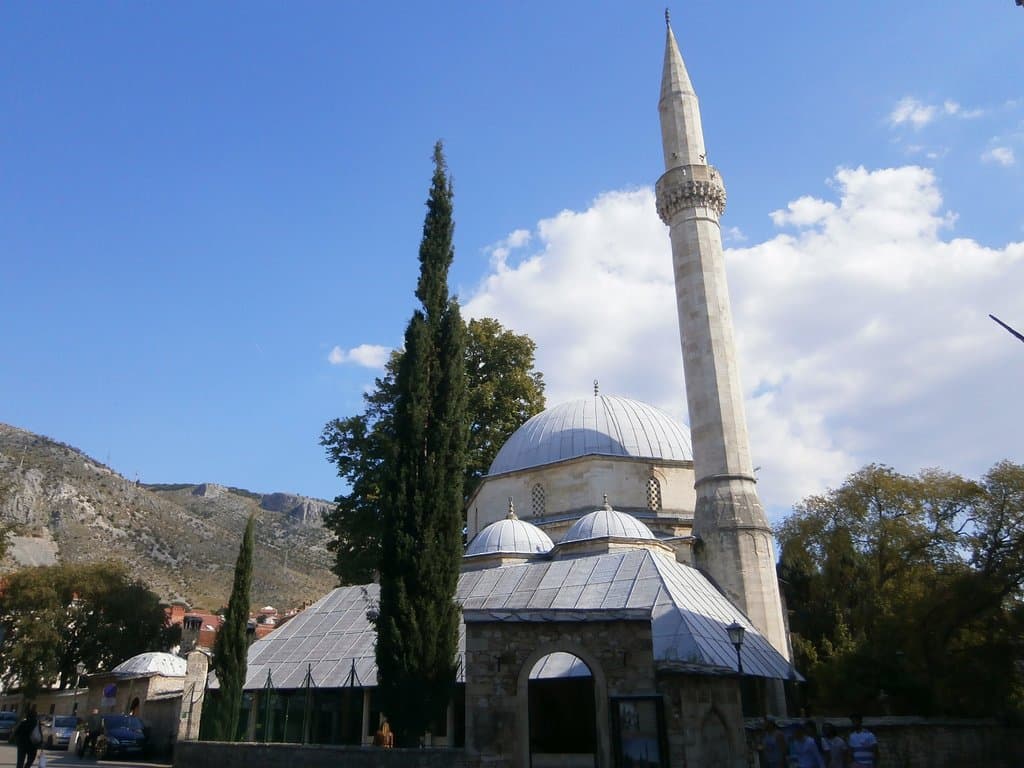
Karadoz Bey Mosque Mostar
A grand 16th-century Ottoman mosque designed by Mimar Sinan, showcasing resilience and architectural splendor in Mostar.
Highlights
Must-see attractions

Social
From TikTok & Reddit
Best Time
Peaceful atmosphere
Karadoz Bey Mosque Mostar
Best Time
Peaceful atmosphere
Highlights
Must-see attractions
A grand 16th-century Ottoman mosque designed by Mimar Sinan, showcasing resilience and architectural splendor in Mostar.
"A beautiful and historically significant mosque, a testament to resilience and architectural brilliance."
🧥 Dress Modestly
Cover shoulders & knees. Women may need a headscarf. Essential for respectful entry.
⬆️ Climb the Minaret
Offers stunning city views! Check if it's open and be prepared for stairs.
Highlights
Discover the most iconic attractions and experiences
Mimar Sinan's Architectural Masterpiece
Main prayer hall
Marvel at the grandeur of this 16th-century mosque, designed by the legendary Ottoman architect Mimar Sinan.
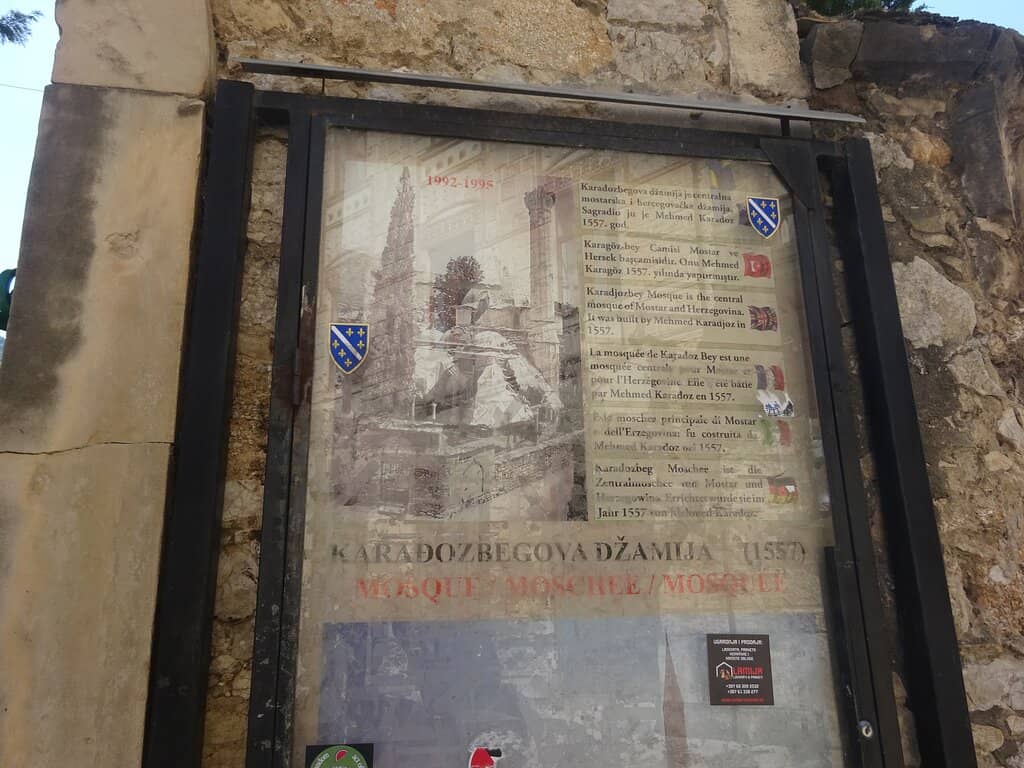
The Elegant Minaret
Exterior
Climb the tall, slender minaret for panoramic views of Mostar and its surroundings.
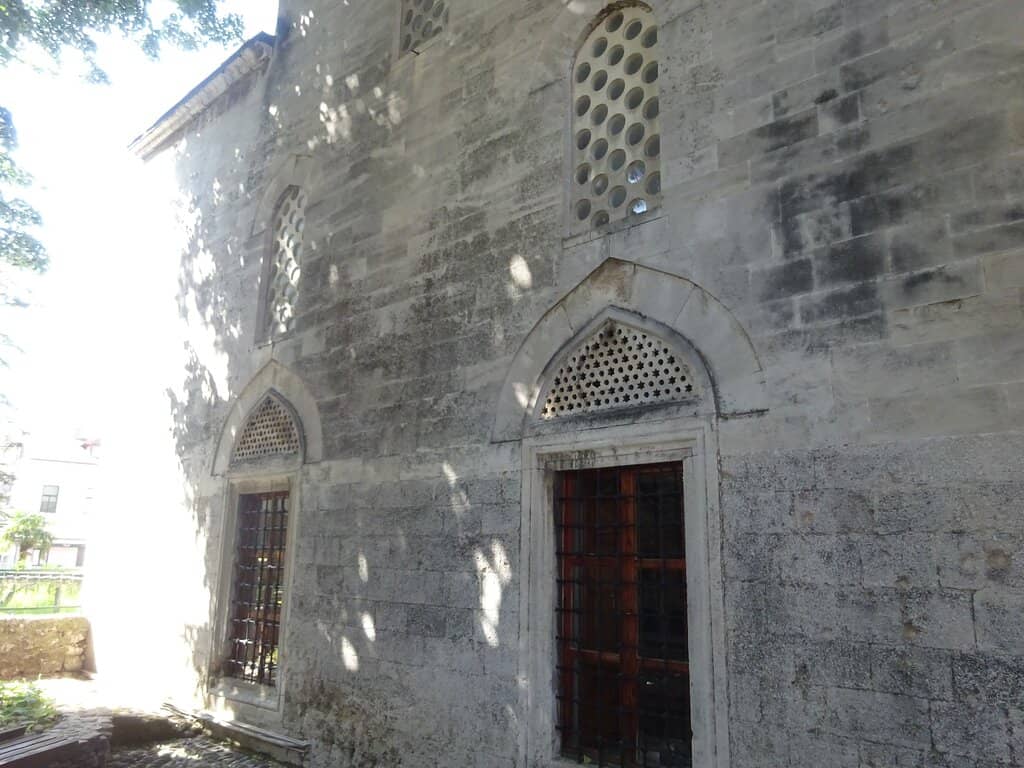
Resilience Through History
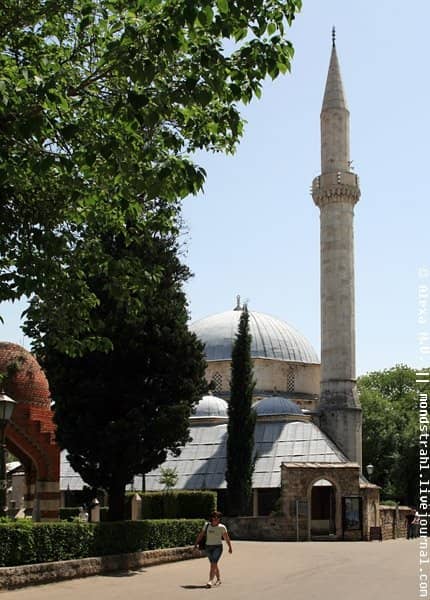
Courtyard and exterior
Witness the mosque's enduring spirit, having survived war and reconstruction.
Plans like a pro.
Thinks like you
Planning Your Visit
Respectful Attire is Key
Timing Your Visit for Serenity
Best Times
Insider Tips
from TikTok, Instagram & Reddit
🧥 Dress Modestly
Cover shoulders & knees. Women may need a headscarf. Essential for respectful entry.
⬆️ Climb the Minaret
Offers stunning city views! Check if it's open and be prepared for stairs.
🕰️ Visit Off-Peak
Avoid midday crowds for a more serene experience. Early morning is best.
📸 Capture the Details
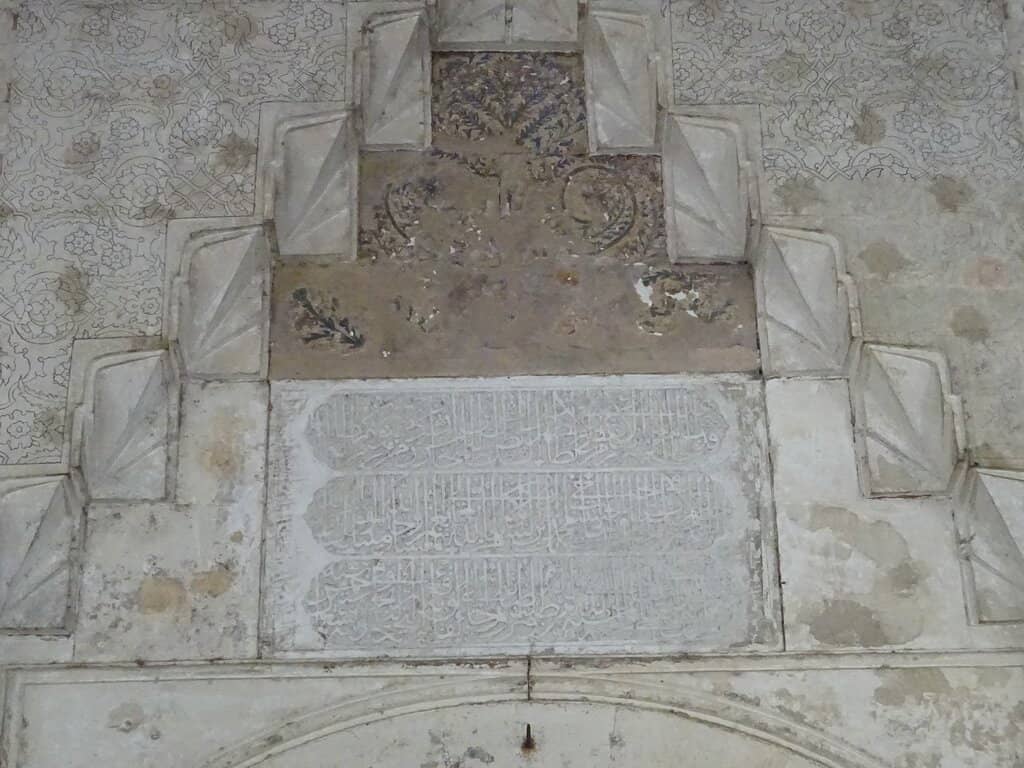
The intricate Ottoman architecture is a photographer's dream.
Tips
from all over the internet
🧥 Dress Modestly
Cover shoulders & knees. Women may need a headscarf. Essential for respectful entry.
⬆️ Climb the Minaret
Offers stunning city views! Check if it's open and be prepared for stairs.
🕰️ Visit Off-Peak
Avoid midday crowds for a more serene experience. Early morning is best.
📸 Capture the Details
The intricate Ottoman architecture is a photographer's dream.
💰 Small Entry Fee
There's a small fee to enter, which some find unusual for a mosque.
What Travellers Say
Reviews Summary
Visitors praise Karadoz Bey Mosque for its impressive Ottoman architecture and historical significance, particularly its resilience after the Bosnian War. The opportunity to climb the minaret for views is a highlight. Some find the entry fee unusual for a mosque, but most agree it's a worthwhile stop for its beauty and history.
"This Ottoman mosque is one of the largest mosques in the region. The mosque faced near destruction during the Bosnian War, however underwent extensive repairs and reopened to the public in 2004.
Opposite the mosque is a small cemetery with a memorial to victims of the recent war conflict."
Mat Bienczyk
"Very old Mosque built by the Ottoman Empire in Mostar, definitely worth a stop to enjoy this important religious building!"
Son Livan
"Karadoz Bey Mosque is one of the oldest and most historically significant mosques in Mostar. Built in 1557 during the Ottoman period. Not sure about anything else. You may visit if you’re close by."
Mohamed Aslam
What People Like
What People Dislike
Frequently Asked Questions
🚇 🗺️ Getting There
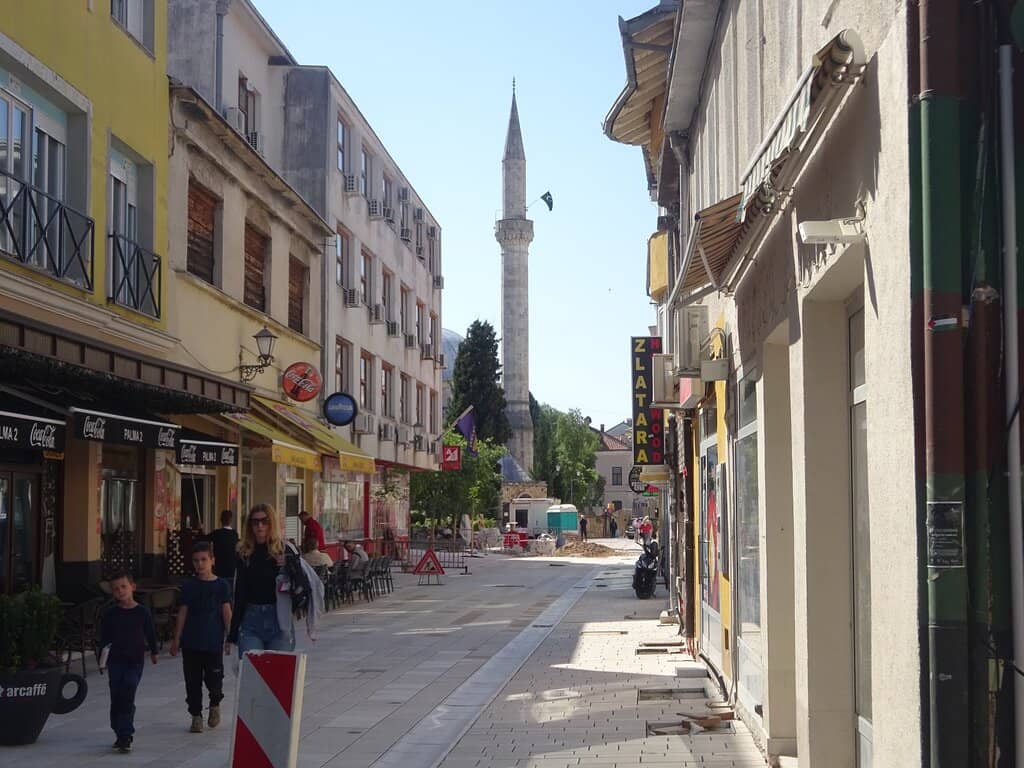
Karadoz Bey Mosque is a short walk from the Old Town and the iconic Stari Most bridge. Simply head east from the main tourist area, and you'll find it within a few minutes. It's easily accessible and often mentioned as being just outside the main cobblestone area of the UNESCO zone.
Yes, it's quite straightforward to locate. While it's slightly removed from the immediate hustle of the Old Town, its prominent minaret makes it a visible landmark. Many visitors find it a pleasant stroll to reach.
While walking is the most common and recommended way, local buses do serve the wider Mostar area. However, for most tourists staying near the Old Town, walking is the most convenient and scenic option.
🎫 🎫 Tickets & Entry
Yes, there is a small admission fee to enter the mosque. While some visitors note this as unusual for a religious site, it's a common practice for historical and cultural sites in the region to help with upkeep.
Opening hours can vary, but generally, the mosque is accessible during daylight hours. It's advisable to check locally or with your accommodation for the most up-to-date times, especially around prayer times or holidays.
Absolutely. Modest dress is required. This means covering your shoulders and knees. Women should also be prepared to cover their heads, often with a provided scarf, to enter the prayer areas.
Yes, it is often possible to climb the minaret for a fee, offering spectacular views over Mostar. Ensure you are wearing appropriate footwear and are comfortable with heights and stairs.
📸 📸 Photography
Photography is generally permitted in the courtyard and exterior areas. Inside the prayer hall, it's best to be discreet and respectful. Always observe any posted signs or ask for guidance from mosque staff.
Early morning or late afternoon light can be magical for photography, casting beautiful shadows and highlighting the mosque's architecture. The golden hour offers particularly stunning shots.
The elegant minaret, the intricate dome, the courtyard with its cypress trees, and the detailed stonework are all highly photogenic. Don't miss capturing the mosque against the backdrop of the Mostar sky.
🎫 🏛️ History & Significance
The mosque was constructed in 1557, making it a significant historical monument from the Ottoman period in Bosnia and Herzegovina.
It was designed by the renowned Ottoman imperial architect Mimar Sinan, who was responsible for many of the empire's most iconic structures.
It is one of the largest and most representative examples of Islamic architecture in Bosnia and Herzegovina. It also holds significance as a survivor of the Bosnian War, having undergone extensive restoration.
Yes, the mosque was plundered and shelled during the Bosnian War, facing near destruction. It has since been extensively repaired and reopened to the public in 2004.
For Different Travelers
Tailored advice for your travel style
👨👩👧 Families with Kids

Consider making it a stop on a broader exploration of Mostar's history. The nearby Old Town and Stari Most bridge offer plenty of other sights. The mosque's resilience story can be a powerful lesson about overcoming adversity. Pack snacks and water, as facilities might be limited, and ensure everyone is comfortable with the walking involved.
🕌 Religious & Cultural Explorers
Pay attention to the details of the construction, the layout of the prayer hall, and the significance of the minaret. Engaging with the local community or a guide can enrich your understanding of its role in Mostar's spiritual life. Be prepared for the modest dress code and the small entry fee, which are part of the experience of visiting active religious sites.
Deep Dives
In-depth insights and expert knowledge
Architectural Marvel by Mimar Sinan
+1Visitors often marvel at the mosque's imposing minaret, which is not only a striking visual element but also offers the opportunity for visitors to climb it. The interior, though perhaps simpler than some other grand mosques, exudes a sense of peace and historical weight. The careful restoration efforts have preserved its original character, allowing visitors to appreciate its historical and architectural value.
Beyond its aesthetic appeal, the mosque's survival and restoration are deeply symbolic. It represents the resilience of cultural heritage in the face of conflict. The fact that it was built by Mimar Sinan adds another layer of historical importance, connecting it to a broader legacy of Ottoman architectural achievement across the Balkans and beyond.
A Symbol of Resilience and Reconstruction
Fortunately, the mosque underwent extensive repairs and restoration after the war, reopening its doors to the public in 2004. This reconstruction was a significant undertaking, symbolizing not just the rebuilding of a physical structure but also the healing and reconciliation process for the community. Today, it stands as a powerful symbol of resilience, a place where history is palpable and where the scars of the past are acknowledged alongside the hope for the future.
Adjacent to the mosque, a small cemetery with a memorial to war victims serves as a poignant reminder of the recent conflict. This juxtaposition of a place of worship and a memorial underscores the complex history of Mostar and the importance of remembering those who suffered. Visiting Karadoz Bey Mosque offers a chance to connect with this layered history and appreciate the enduring spirit of the city.
Social
from TikTok, Instagram & Reddit