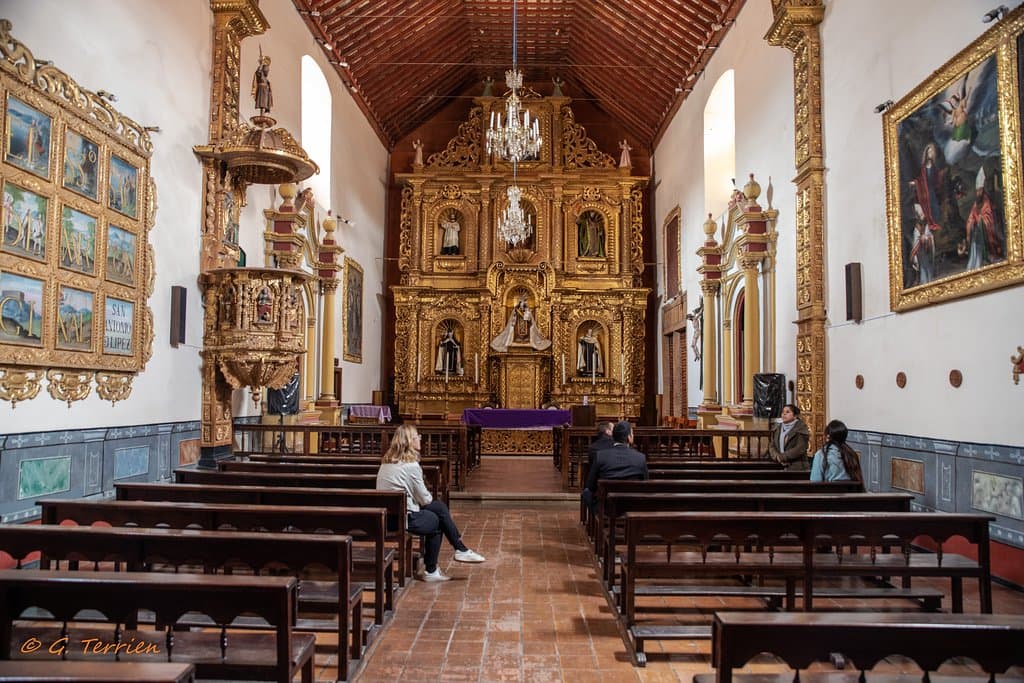
Convento Museo Santa Teresa
Explore centuries of religious devotion and history at the Convento Museo Santa Teresa, a significant cultural landmark in Cochabamba.
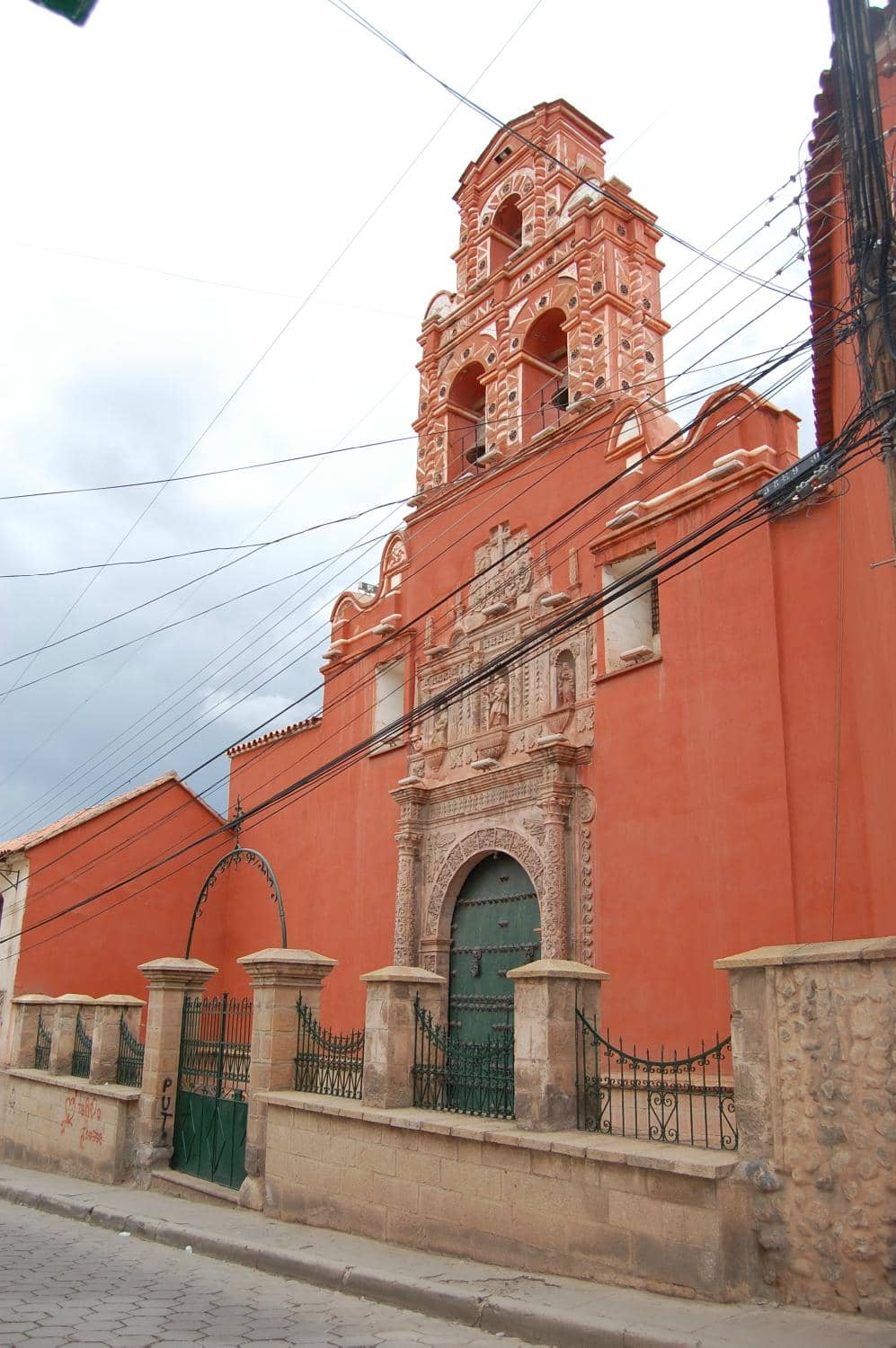
Highlights
Must-see attractions

Social
From TikTok & Reddit
Best Time
Fewer crowds, more intimate visit
Convento Museo Santa Teresa
Best Time
Fewer crowds, more intimate visit
Highlights
Must-see attractions
Explore centuries of religious devotion and history at the Convento Museo Santa Teresa, a significant cultural landmark in Cochabamba.
"A unique, albeit somber, look into religious art and the lives of cloistered nuns."

⏳ Pace Yourself
Tours can be slow; allow ample time to absorb the history without feeling rushed .
🗣️ Language Barrier
English tours may not always be available, so be prepared or bring a translator .
Highlights
Discover the most iconic attractions and experiences
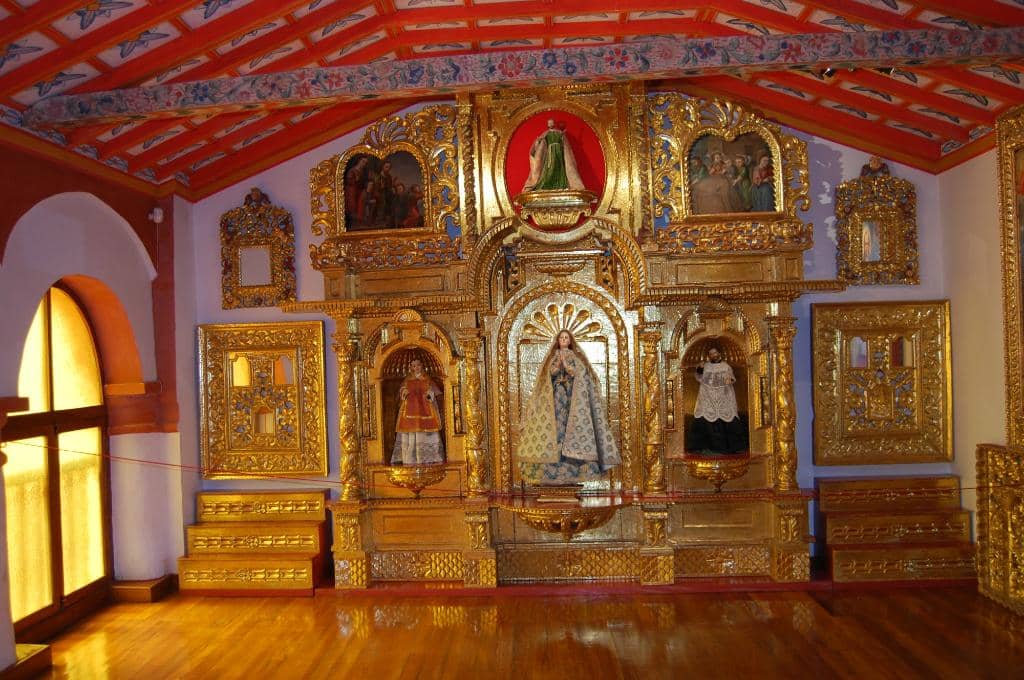
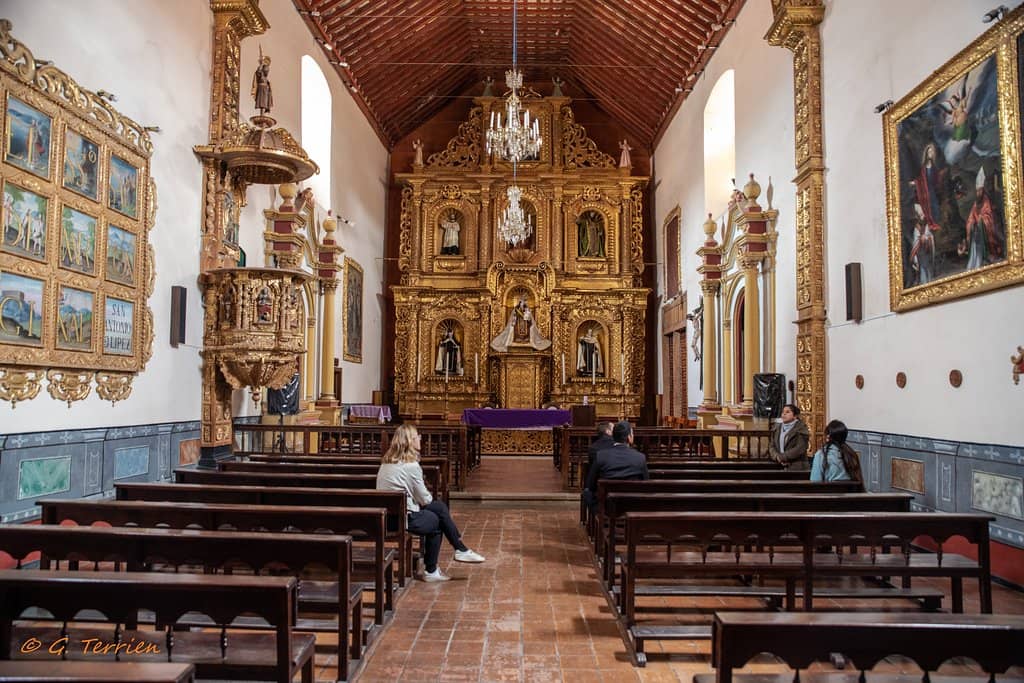
Baroque Altarpieces
Main Hall
Marvel at the intricate details and golden splendor of these stunning religious artworks.
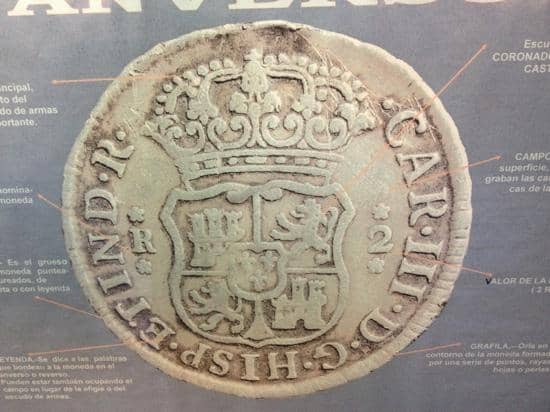
Nuns' Living Quarters
Cloistered Areas
Step back in time to see where cloistered nuns lived, prayed, and worked in isolation.
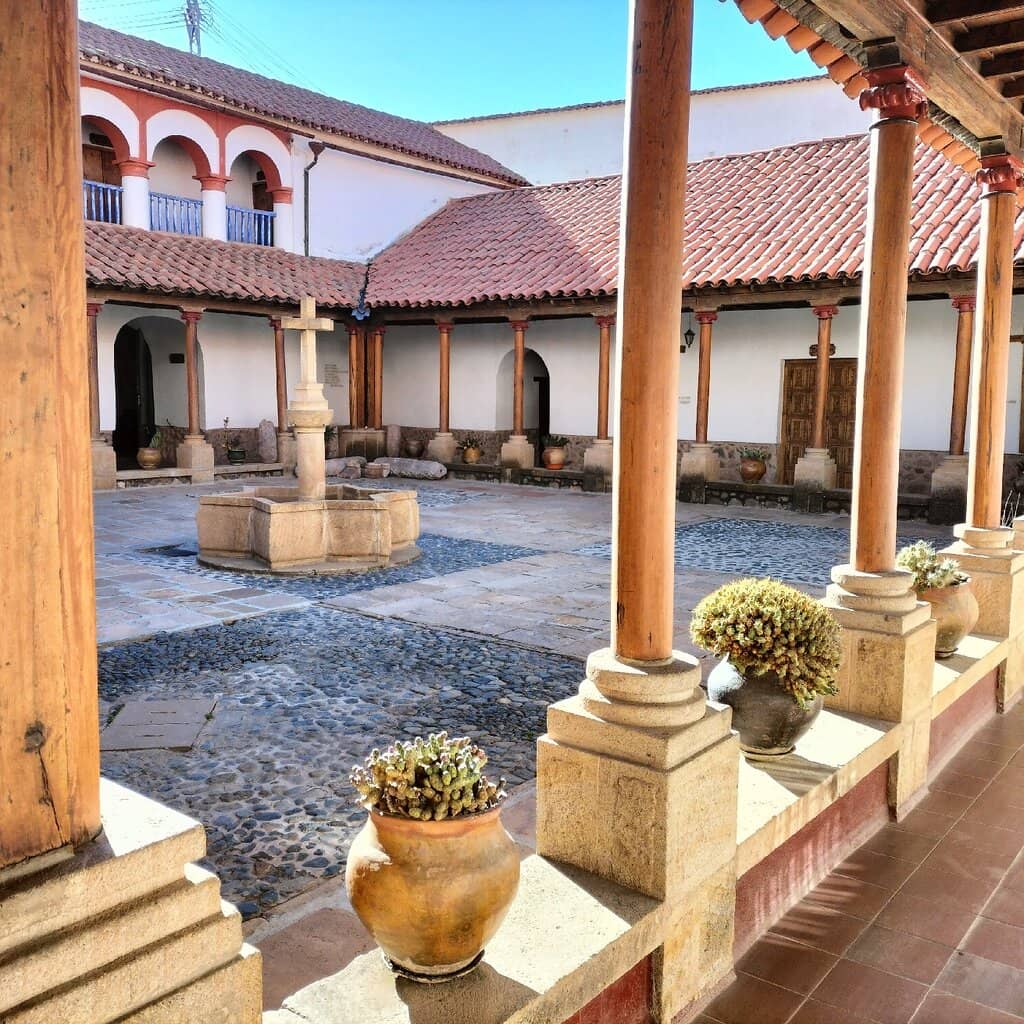
Religious Art Collection
Various Galleries
Explore a rich collection of paintings and artifacts showcasing centuries of religious devotion.
Instruments of Self-Torture
Specific Exhibit Room
A stark reminder of ascetic practices, these relics offer a glimpse into extreme devotion.
Plans like a pro.
Thinks like you
Planning Your Visit
Timing is Key for a Deeper Dive
Understand the Experience
Best Times
Insider Tips
from TikTok, Instagram & Reddit
⏳ Pace Yourself
Tours can be slow; allow ample time to absorb the history without feeling rushed.
🗣️ Language Barrier
English tours may not always be available, so be prepared or bring a translator.
🤔 Prepare for the Somber
The museum details religious asceticism and historical hardships; it's not a lighthearted visit.
📸 Photography Rules
Check current photography policies before capturing images inside the museum.
Tips
from all over the internet
⏳ Pace Yourself
Tours can be slow; allow ample time to absorb the history without feeling rushed.
🗣️ Language Barrier
English tours may not always be available, so be prepared or bring a translator.
🤔 Prepare for the Somber
The museum details religious asceticism and historical hardships; it's not a lighthearted visit.
📸 Photography Rules
Check current photography policies before capturing images inside the museum.
📍 Location Insight
Conveniently located on Calle Baptista in Cochabamba.
What Travellers Say
Reviews Summary
Visitors find the Convento Museo Santa Teresa historically significant, offering a unique look into religious art and the lives of cloistered nuns. However, some find the tour pace slow and the content somber, with a lack of English-speaking guides being a drawback for international visitors.
"It's an extremely sad tour. It tells the story of how the terrible catholic institution not only made enslavement happen in America but also made millions of women being nuns that had to live away from society, not talking to their own family. They even show the self torture instruments and where the nuns' bodies were buried. It takes 1 hour and a half for the whole tour and it's very slow rhythm since the guide locks and opens each of the hundreds of rooms you have to get in.
For 30 bobs I believe you better do something else."
Beatriz Rodrigues Lima
"This is interesting both from a historical and museum point of view. The Carmelite convent in Potosí, Bolivia, is actually the Santa Teresa Convent founded in 1685 by the Order of the Discalced Carmelites in honor of Saint Teresa of Avila. It was originally a home for Carmelite nuns, a cloistered home for young women from wealthy families, who entered at the age of 15 and lived in strict isolation, dedicating themselves to prayer, scripture, and tasks like baking and sewing. The convent was richly endowed with gifts from families, including paintings, jewellery, and furniture, which are now part of its museum collection showcasing religious art and historical items including stunning Baroque altarpieces, artworks by prominent painters and macabre relics such as self-flagellation tools."
Ross Daniels
"Was placed in a tour group that started 40 minutes prior, with the explanation that i could catch the beginning with the following tour.
The tour guide was so dreadfully trite that simple plaques next to each item could've taken her job.
No English tours were available.
I left after 15 minutes."
Dima K.
What People Like
What People Dislike
Frequently Asked Questions
🚇 🗺️ Getting There
The Convento Museo Santa Teresa is located on Calle Baptista in Cochabamba.
Parking can be challenging in the city center. It's often best to use ride-sharing services or public transport, or to be prepared for street parking if you're driving.
Depending on your starting point, it might be walkable, especially if you're exploring the cultural pedestrian route in Cochabamba.
Taxis and ride-sharing apps are generally the most convenient options for tourists to reach the Convento Museo Santa Teresa.
Yes, local buses and minibuses (trufis) frequently pass through the city center, making it easy to reach the vicinity of the museum.
🎫 🎫 Tickets & Entry
The museum is typically open from Monday to Saturday, from 8:00 AM to 12:00 PM.
Admission fees can vary. One reviewer mentioned a price of 30 Bolivianos, but it's best to check the current rates upon arrival or on their official channels if available.
Advance booking is generally not required for individual visitors. However, for guided tours or special events, it might be advisable.
Yes, guided tours are offered, but be aware that they might not always be available in English. The pace of the tours can be slow.
While there isn't a strict dress code, it's a religious site, so modest attire is recommended out of respect.
🎫 🏛️ Onsite Experience
A full tour can take around 1.5 hours, but some visitors have left after 15 minutes due to the slow pace or content. Allow at least an hour to explore.
You'll find religious art, historical artifacts, furniture from the era, and even relics like self-flagellation tools. It offers insights into the lives of cloistered nuns.
The museum's content, including themes of self-torture and strict religious life, might be somber for younger children. However, it can be educational for older children interested in history.
Photography policies can change. It's essential to check for signs or ask staff about restrictions before taking pictures, especially with flash.
The atmosphere is generally quiet and reflective, befitting a former convent. Some find it peaceful, while others describe it as somber due to the historical context.
📸 📸 Photography
Photography rules can vary. It's best to look for signage or ask a staff member upon entry. Flash photography is often prohibited in museums to protect artifacts.
Areas with delicate artifacts or religious relics may have stricter photography rules. Always be mindful of your surroundings and any posted notices.
For personal use, photography might be permitted in certain areas, but commercial photography or extensive photo shoots usually require special permission.
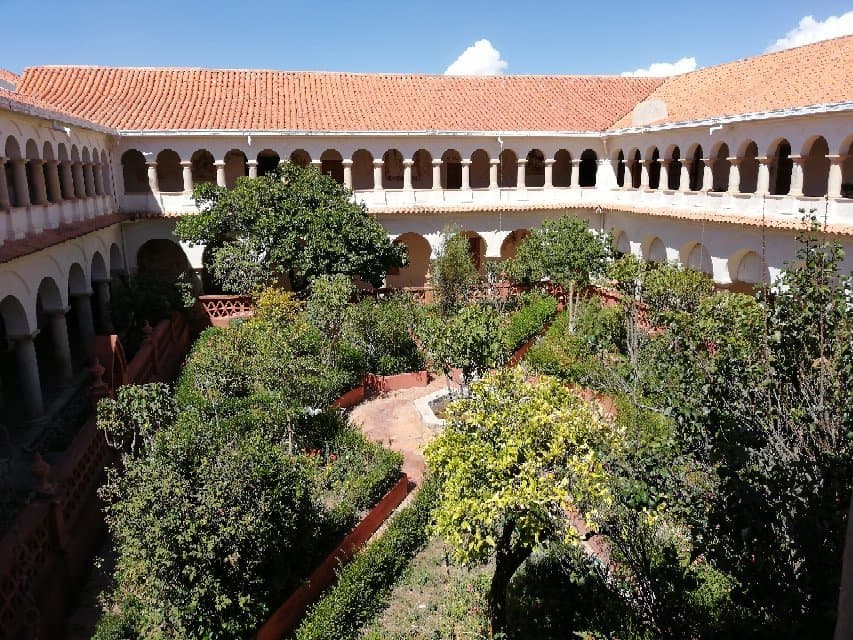
The Baroque altarpieces and the richly decorated rooms offer visually striking opportunities. The courtyards, if accessible, can also be picturesque.
The intricate details of the religious art and the historical architecture provide many visually appealing elements for social media sharing.
For Different Travelers
Tailored advice for your travel style
👨👩👧 Families with Kids
Consider framing the visit as a historical exploration of different ways of life. Focus on the beautiful art, the architecture, and the stories of the nuns' daily tasks like baking and sewing.
🤔 History Buffs & Culture Enthusiasts
Pay close attention to the details in the nuns' living quarters and the stories behind the various relics. The building itself is a piece of history, representing one of the oldest constructions in Cochabamba.
Engaging with the exhibits provides a deep dive into a specific, often overlooked, aspect of colonial and religious history.📸 Photographers & Art Lovers
Be mindful of photography restrictions, as flash is often prohibited to protect delicate artworks. However, the natural light in many of the rooms can create beautiful, atmospheric shots. Consider visiting during quieter times to get unobstructed views and compositions for your shots.
Deep Dives
In-depth insights and expert knowledge
A Glimpse into Cloistered Life
The museum showcases the endowments these women received, including paintings, jewelry, and furniture, which now form part of its extensive collection. This aspect highlights the intersection of wealth, faith, and societal roles for women in historical Bolivia. The exhibits aim to preserve and present this distinct facet of religious history, making it a significant cultural site in Cochabamba.
While the museum provides historical context, some visitors note that the focus is more on religious art and artifacts than a deep dive into the monastic experience itself.
The Art and Artifacts of Devotion
Beyond paintings and altarpieces, the museum houses a variety of historical items, including furniture and personal effects that belonged to the nuns and their benefactors. These artifacts provide tangible links to the past, illustrating the lifestyle and material culture of the time. The collection is meticulously preserved, offering a comprehensive look at religious heritage.
One of the more striking aspects of the collection includes macabre relics, such as instruments of self-flagellation.
Historical Significance and Preservation
making it a significant historical landmark. Its preservation is crucial for understanding the architectural and cultural evolution of the city. The building itself, a former convent, holds centuries of history within its walls.Efforts are continuously made to strengthen and preserve this heritage site.
This includes maintaining the integrity of the structure and safeguarding its valuable collection of art and artifacts. The museum plays a vital role in educating the public about Bolivia's religious and colonial past.Events like the 'Noche de Museos' (Night of Museums) highlight the importance of such institutions, drawing attention to their cultural contributions and encouraging wider public engagement.
These initiatives help ensure that historical sites like the Convento Museo Santa Teresa continue to be appreciated and protected for future generations.
Social
from TikTok, Instagram & Reddit