
Cerro Rico Potosí
The 'Rich Mountain' that fueled empires, now a symbol of resilience and harsh mining realities. A UNESCO site facing degradation.
Highlights
Must-see attractions

Social
From TikTok & Reddit
Best Time
Clearer skies, less mud.
Cerro Rico Potosí
Best Time
Clearer skies, less mud.
Highlights
Must-see attractions
The 'Rich Mountain' that fueled empires, now a symbol of resilience and harsh mining realities. A UNESCO site facing degradation.
"An intense, eye-opening journey into the heart of Bolivia's silver history and the lives of its miners."

🤝 Choose a Reputable Tour Operator
Opt for guides who prioritize miner welfare and provide genuine insights, not just sensationalism.
🧥 Dress Appropriately for Mines
Wear old, sturdy clothes, a helmet, and good boots. It's dusty, muddy, and you'll get dirty!

Highlights
Discover the most iconic attractions and experiences
Cerro Rico Mine Tour
Cerro Rico
Descend into the 'Rich Mountain' for a raw, eye-opening look at the harsh reality of mining.

Casa Nacional de la Moneda
Potosí City
Explore the historic mint where vast amounts of silver were processed into coins for the Spanish Empire.

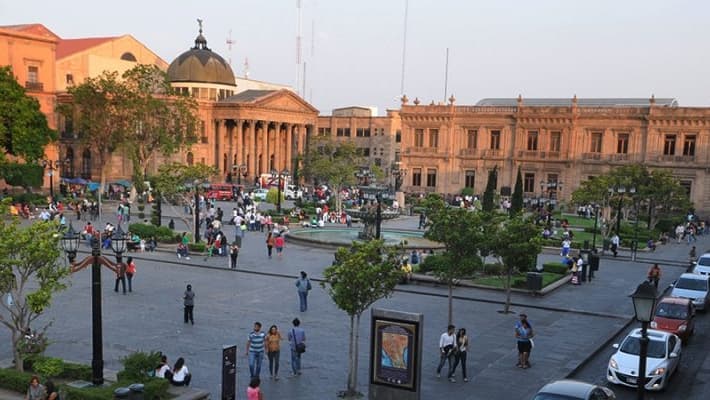
Potosí's Colonial Architecture
Potosí City
Wander through streets lined with well-preserved colonial buildings, a testament to the city's wealthy past.
Plans like a pro.
Thinks like you
Planning Your Visit
Altitude Acclimatization is Key
Mine Tours: Safety & Respect
Best Times
Insider Tips
from TikTok, Instagram & Reddit
🤝 Choose a Reputable Tour Operator
Opt for guides who prioritize miner welfare and provide genuine insights, not just sensationalism.
🧥 Dress Appropriately for Mines
Wear old, sturdy clothes, a helmet, and good boots. It's dusty, muddy, and you'll get dirty!
💧 Stay Hydrated & Acclimatize
Potosí is high! Drink lots of water, coca tea, and take it easy on your first day.
💰 Bring Cash for Miners
Many tours allow you to buy gifts (coca, cigarettes) for miners. It's a small gesture of appreciation.
Tips
from all over the internet
🤝 Choose a Reputable Tour Operator
Opt for guides who prioritize miner welfare and provide genuine insights, not just sensationalism.
🧥 Dress Appropriately for Mines
Wear old, sturdy clothes, a helmet, and good boots. It's dusty, muddy, and you'll get dirty!
💧 Stay Hydrated & Acclimatize
Potosí is high! Drink lots of water, coca tea, and take it easy on your first day.
💰 Bring Cash for Miners
Many tours allow you to buy gifts (coca, cigarettes) for miners. It's a small gesture of appreciation.
🙏 Respect Local Beliefs
Miners worship 'El Tío,' the god of the underworld. Be mindful and respectful of their rituals.
What Travellers Say
Reviews Summary
Cerro Rico is a powerful and humbling experience, offering a raw look at the harsh realities of mining and its historical significance. Visitors are often struck by the resilience of the miners and the stark contrast between the mountain's past wealth and the city's present struggles. While the tours are intense and not for the faint of heart, they provide an unforgettable glimpse into a vital part of Bolivian history and culture.
"This is the "rich mountain" as it was known and named by the Spaniards during the conquistadors era. The mountain used to be rich in silver and other minerals, which made the town of Potosi the richest city in the world in the 16th - 17th century. The Spaniards established their National Mint and the town was overwhelmed by people who came to work in the mines. Nowadays, Potosi after centuries of extraction, Cerro Rico still supplies Bolivia with minerals, not of the same value and worth as silver, but still useful enough to keep the local economy going. Potosi is now one of the poorest cities in Bolivia. UNESCO has listed both Potosi and Cerro Rico in its list of endangered sites, due to the uncontrolled mining operations. The local miners continue their indigenous worship of El Tio, the God of the mines and the underworld, the absolute lord of the mine galleries. They build statues of him and they make offerings of cigarettes, alcohol and coca leaves. There are some tour guides that organise visits to the local mineral refineries and mines. The experience is mind blowing and very genuine. There are no safety measures and people are working without any kind of modern equipment. They use the basic tools that were used centuries ago and the average life expectancy of a miner is 50-55 years."
Andreas Kafiotis
"Very very nice"
samar maan
"Fiz o tour no Cerro Rico de Potosí entrando em uma mina em atividade! Algumas passagens são baixas, há lama, movimentação de cargas e trabalhadores. Conseguimos até ouvir umas explosões ao longe. É uma aventura de verdade! Eu gostei, mas não recomendo para crianças pequenas ou pessoas com dificuldade de locomoção."
Luiz Gustavo Maia
What People Like
What People Dislike
Frequently Asked Questions
🚇 🗺️ Getting There
Most travelers arrive in Potosí by bus from Sucre (approx. 3-4 hours) or La Paz (approx. 9-10 hours). Flights are also available to the Potosí Airport (POT), though less frequent.
The city center is walkable, but taxis are readily available and affordable for longer distances. Be prepared for steep streets due to the city's altitude.
Guided tours are essential for visiting the mines. They typically arrange transportation from your accommodation in Potosí.
While buses are common, direct flights to Potosí are limited. Many visitors combine Potosí with a trip to Uyuni, often traveling by bus between the two.
Bolivian buses can vary in comfort. Opt for reputable companies for longer journeys, and be aware of potential delays.
🎫 🎫 Tickets & Entry
It's best to book mine tours with a reputable agency a day or two in advance, especially during peak season.
Tour prices vary but typically range from $10-$20 USD, often including transportation and a guide. Some tours may have an additional entrance fee for specific mine cooperatives.
Yes, sites like the Casa Nacional de la Moneda have entrance fees. It's advisable to check current prices upon arrival.
Independent visits are strongly discouraged and often not permitted due to safety concerns and the need for local guides.
Museums and historical sites generally operate during standard daytime hours. Mine tours are typically scheduled for the morning or early afternoon.
🎫 🧭 Onsite Experience
Potosí city is around 4,090 meters (13,420 feet) above sea level, while Cerro Rico itself reaches higher elevations. Acclimatization is crucial.
Wear a helmet, sturdy shoes, and old clothes. Listen carefully to your guide and avoid touching anything without permission.
Cerro Rico was historically a massive source of silver for the Spanish Empire and is deeply tied to Bolivian history and indigenous beliefs, including the worship of 'El Tio'.
You'll witness narrow tunnels, basic mining equipment, and the daily work of miners. It's a stark and often challenging environment.
Potosí is generally safe for tourists, but like any city, it's wise to be aware of your surroundings, especially at night. Petty theft can occur.
🍽️ 🍽️ Food & Dining
Try traditional dishes like 'Salteñas' (savory pastries), 'Pique Macho' (a hearty meat dish), and local soups. Street food is also popular.
Yes, Potosí offers a range of dining options from local eateries to more established restaurants, many serving traditional Bolivian cuisine.
Look for 'comedores' (local eateries) or restaurants specializing in regional dishes for an authentic experience.
Coca tea is widely available and recommended for altitude. Local beers and spirits are also popular.
Street food can be delicious, but exercise caution. Choose vendors that appear clean and busy.
📸 📸 Photography
The colonial architecture, the panoramic views of Cerro Rico, and the vibrant street life offer excellent photographic subjects.
Always ask for permission before photographing miners. Some tours may have restrictions for privacy and respect.
Early morning and late afternoon offer softer light and fewer crowds. Golden hour can be magical for capturing the city's colonial charm.
Several viewpoints offer stunning perspectives of Cerro Rico, especially from higher parts of the city or during guided tours.
A versatile lens for cityscapes and portraits, and a wide-angle lens for capturing the vastness of the landscape. A sturdy tripod can be useful for low-light conditions.
For Different Travelers
Tailored advice for your travel style
👨👩👧 Families with Kids
However, families can still experience Potosí's history by visiting the Casa Nacional de la Moneda, which offers a fascinating look at coin production without the physical demands of a mine. Exploring the colonial streets and enjoying local cuisine can also be enjoyable for older children who can appreciate the historical context. Ensure children are well-hydrated and aware of the altitude. 💰 Budget Travelers
Mine tours are also relatively budget-friendly, with prices often negotiable. Public transportation within the city is cheap, and walking is free. Consider visiting during the shoulder seasons for potentially lower accommodation prices. 🚶 Solo Travelers
The city is relatively safe, and the historical sites are easy to explore independently. Don't hesitate to engage with locals; many are friendly and willing to share their stories. Deep Dives
In-depth insights and expert knowledge
The History and Legacy of Cerro Rico
+2Today, Cerro Rico continues to be mined, primarily for tin, though silver deposits are largely depleted. The mountain itself is a UNESCO World Heritage site, but it's also listed as endangered due to ongoing, often unregulated, mining operations that are causing its physical degradation. The legacy of Cerro Rico is complex, representing both incredible historical wealth and profound human exploitation.
+1Visitors can learn about this history at the Casa Nacional de la Moneda, the former royal mint, which showcases the immense scale of silver processing. Understanding this history is crucial for appreciating the significance of the mine tours and the lives of the miners today.
The Miner's Life and Beliefs
Central to the miners' lives is their deep-seated faith, a unique blend of indigenous beliefs and Catholicism. They venerate 'El Tio' (The Uncle), a devil-like figure believed to be the lord of the underworld and protector of the mines. Offerings of coca leaves, cigarettes, and alcohol are made to El Tio for protection and a good yield.
Potosí: A City of Altitude and History
+1Founded in 1545, Potosí's destiny was inextricably linked to the silver discovered in Cerro Rico. It rapidly grew into a major global center, attracting a diverse population and becoming a hub of commerce and culture. Today, while the silver wealth has diminished, the city retains its historical charm with ornate churches, grand plazas, and the imposing Casa Nacional de la Moneda.
Exploring Potosí offers a journey back in time, allowing visitors to witness the grandeur of its past and understand its enduring significance in Bolivian history. 

Social
from TikTok, Instagram & Reddit