Tunupa Volcano Uyuni
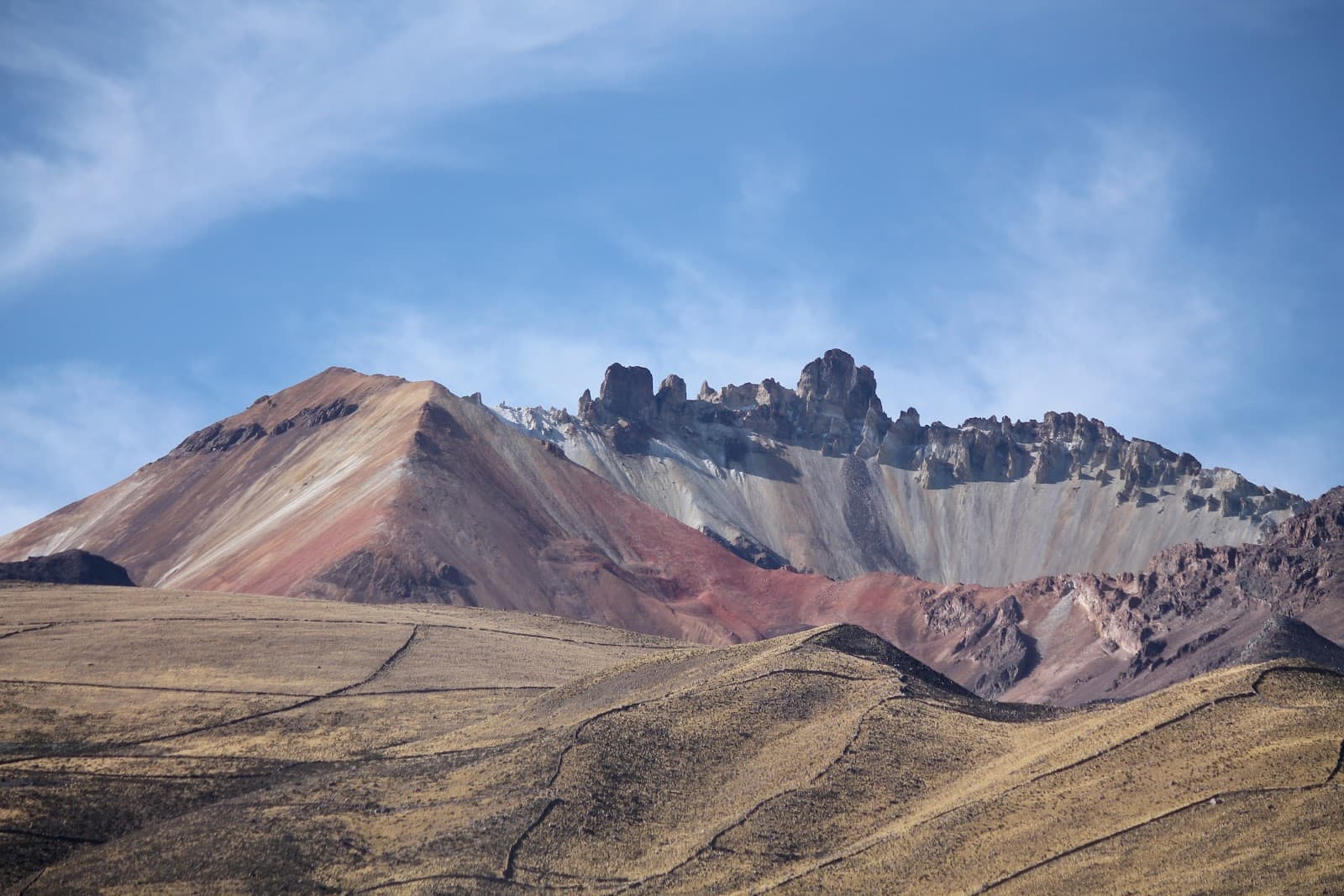
A dormant stratovolcano on the Salar de Uyuni, famed for its vibrant, multi-colored crater rim and breathtaking summit views.
Highlights
Must-see attractions

Social
From TikTok & Reddit
Best Time
Magical light, fewer crowds
Tunupa Volcano Uyuni
Best Time
Magical light, fewer crowds
Highlights
Must-see attractions
A dormant stratovolcano on the Salar de Uyuni, famed for its vibrant, multi-colored crater rim and breathtaking summit views.
"The view from higher up of the surrounding salt flats is incredible too."

Book Your Guide Early
A local guide is required for summit hikes. Book in advance, especially during peak season! :ticket:
Start Your Climb by 10 AM
To reach the summit, depart by 10 AM to allow ample time. The trail gets steeper later on. :athletic_shoe:
Highlights
Discover the most iconic attractions and experiences
Rainbow Ridge
Lower slopes
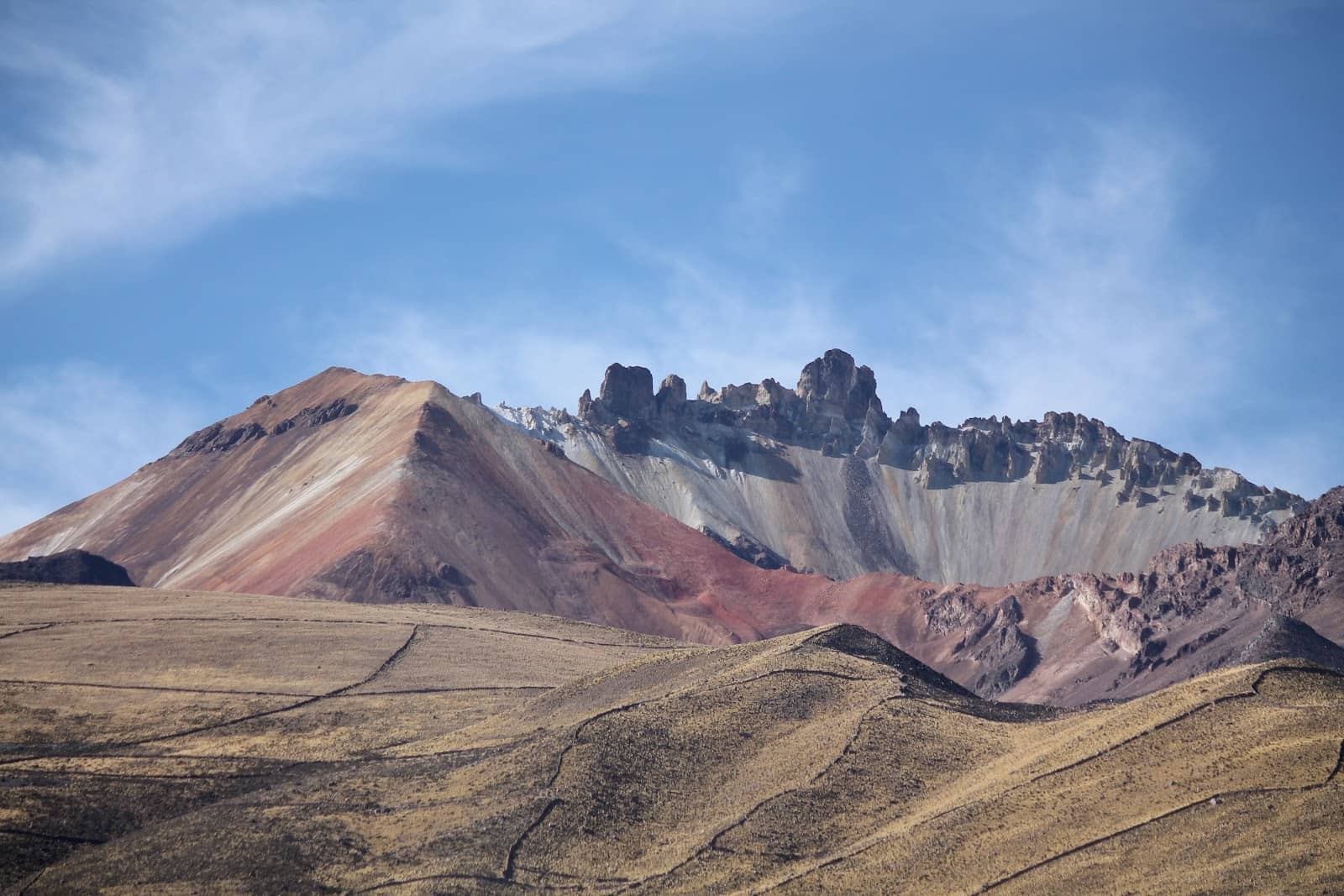
Witness the volcano's multi-colored crater rim, resembling a 'rainbow mountain' with jagged, tooth-like outcrops.
Summit Views
Summit
Experience breathtaking panoramic vistas of the vast Salar de Uyuni from the top of this dormant giant.
Llama Encounters
Base of the volcano
Spot local llamas, often with colorful markings indicating ownership, grazing near the volcano's base.
Plans like a pro.
Thinks like you
Planning Your Visit
Timing is Everything for Tunupa
Guide Up, Climb Up
Best Times
Insider Tips
from TikTok, Instagram & Reddit
Book Your Guide Early
A local guide is required for summit hikes. Book in advance, especially during peak season! :ticket:
Start Your Climb by 10 AM
To reach the summit, depart by 10 AM to allow ample time. The trail gets steeper later on. :athletic_shoe:
Wear Layers
Temperatures can fluctuate wildly. Bring layers for warmth and sun protection. :cloud:
Hydrate and Snack
The altitude is significant. Carry plenty of water and energy-boosting snacks. :water_wave:
Tips
from all over the internet
Book Your Guide Early
A local guide is required for summit hikes. Book in advance, especially during peak season! :ticket:
Start Your Climb by 10 AM
To reach the summit, depart by 10 AM to allow ample time. The trail gets steeper later on. :athletic_shoe:
Wear Layers
Temperatures can fluctuate wildly. Bring layers for warmth and sun protection. :cloud:
Hydrate and Snack
The altitude is significant. Carry plenty of water and energy-boosting snacks. :water_wave:
Capture the Colors
The multi-colored crater rim is stunning. Don't forget your camera for epic shots! :camerawithflash:
What Travellers Say
Reviews Summary
Visitors rave about Tunupa Volcano's stunning multi-colored crater rim and the incredible panoramic views from its summit. The challenging hike is considered well worth the effort for the breathtaking scenery. Some note the necessity of a guide and the demanding nature of the climb due to altitude.
"Such an incredible place. A beautiful volcano that has a ridge that is multicoloured, almost like a “rainbow mountain” and a series of jagged outcrops near the top that look like teeth lining the rim! The view from higher up of the surrounding salt flats is incredible too.
A local guide is required to go beyond the second lookout (which isn’t very high up ), and costs 500 Bolivianos per group. Need to leave by 10am otherwise there’s not enough time to get to the top! The first half of the trail is a dirt track with a gentle incline, but then it becomes a bit steeper with sections of scree."
Mert Korkusuz
"Hard to climb, but great."
Eric Escale
"What a fascinating experience! A must see when you're at the Salar."
Nas Sol
What People Like
What People Dislike
Frequently Asked Questions
🚇 🗺️ Getting There
Tunupa Volcano is located on the northern edge of the Salar de Uyuni. Most visitors access it as part of a guided tour from Uyuni town. While some tours focus on the main salt flats, many include a visit to Tunupa Volcano and its surroundings. Independent transport to the base is difficult to arrange and often not recommended due to the remote location and lack of infrastructure. 
It's challenging to visit Tunupa Volcano independently. While you might be able to get transport to the base, a local guide is mandatory to hike beyond the second lookout point. It's generally more practical and safer to join a guided tour that includes the volcano.
The best way to experience Tunupa Volcano is through a guided tour from Uyuni. These tours often combine the volcano visit with other attractions in the Salar de Uyuni, offering a comprehensive experience. Look for tours that specifically mention Tunupa Volcano.
Public transport directly to Tunupa Volcano is virtually non-existent. The most reliable method is to arrange transport through a tour operator in Uyuni. This ensures you have a vehicle capable of handling the terrain and a guide.
The travel time to Tunupa Volcano from Uyuni can vary depending on the tour itinerary and road conditions, but typically it takes around 1-2 hours to reach the base of the volcano.
🎫 🎫 Tickets & Entry
There isn't a formal 'ticket' to enter the volcano itself. However, a local guide is required for the summit hike, and their fee is typically around 500 Bolivianos per group. This fee is usually paid directly to the guide.
Tunupa Volcano does not have set opening hours as it's a natural attraction. However, for hiking, it's best to start early, ideally by 10 AM, to allow sufficient time to reach the summit and return before dark.
The cost for a local guide to hike Tunupa Volcano is approximately 500 Bolivianos per group. This fee covers the guide's services for reaching the summit. Tour operators will include this in their package price.
While there might be a small entrance fee for the Salar de Uyuni itself (often collected at designated points), the primary cost associated with Tunupa Volcano is the mandatory local guide for the summit hike.
Yes, it is highly recommended to book your Tunupa Volcano tour in advance, especially if you are traveling during peak season. This ensures availability and allows you to secure a guide.
🎫 ⛰️ Onsite Experience
The hike starts with a gentle incline on a dirt track for the first half. It then becomes steeper with sections of scree and loose rock, requiring good physical condition and sturdy footwear. The views along the way are spectacular.
The lower viewpoints are easily accessible and suitable for most visitors. However, the summit hike is considered moderately challenging due to the altitude and steep, rocky terrain. It's recommended for those with a reasonable level of fitness.
Wear comfortable hiking shoes with good grip. Dress in layers, as temperatures can change rapidly. Include a windproof jacket, hat, sunglasses, and sunscreen.
While flamingos are more commonly seen in the lagoons of the Eduardo Avaroa National Reserve, it's possible to spot them in the vicinity of the Salar de Uyuni, including near Tunupa Volcano, especially during certain times of the year.
Tunupa Volcano stands at an impressive altitude of approximately 5,432 meters (17,822 feet). Acclimatization to the high altitude of Uyuni is crucial before attempting any strenuous activity.
📸 📸 Photography
The multi-colored crater rim offers unique photographic opportunities. The summit provides panoramic views of the salt flats, and the base is great for capturing llamas with the volcano in the background.
Drone photography is popular around Tunupa Volcano and the Salar de Uyuni, offering incredible aerial perspectives. However, always check local regulations and be mindful of other visitors.
Sunrise and sunset offer the most dramatic lighting for photography. The 'golden hour' light enhances the colors of the volcano's ridge and the vastness of the salt flats.
The mirror effect is most prominent when the Salar de Uyuni is covered in a thin layer of water, typically after rainy periods. This creates stunning reflections of the sky and volcano. +1
A wide-angle lens is great for capturing the vast landscapes. A telephoto lens can be useful for wildlife like llamas. Consider a sturdy tripod for low-light conditions and long exposures.
For Different Travelers
Tailored advice for your travel style
👨👩👧 Families with Kids
Consider tours that focus on shorter excursions or offer opportunities to see the colorful crater rim without a demanding climb. Ensure children are well-hydrated and protected from the sun. The sheer scale of the Salar de Uyuni combined with the volcano's presence creates a memorable experience for all ages.
🚶 Adventure Seekers & Hikers
Ensure you are well-acclimatized to the altitude before attempting the summit. Hiring a local guide is essential for safety and to navigate the steeper, rockier sections. The unique geological formations and the sheer scale of the landscape make this a truly epic adventure.
📸 Photographers
+1Timing is crucial for capturing the best light. Sunrise and sunset offer 'golden hour' hues that enhance the colors of the volcano and the salt flats. If the Salar is wet, the mirror effect creates surreal reflections, perfect for unique shots. Drone photography is highly recommended for capturing the vastness and unique perspectives.
+1Deep Dives
In-depth insights and expert knowledge
The Geology of Tunupa Volcano
The surrounding landscape of the Salar de Uyuni, the world's largest salt flat, provides a stark and beautiful contrast to the volcanic rock. The interaction between the ancient volcanic activity and the formation of the salt flat creates a truly unique geological spectacle. Visitors often marvel at the sheer scale and the vibrant hues of the volcano against the vast white expanse.
+1Understanding the volcanic origins of Tunupa adds another layer of appreciation for its dramatic beauty. It's a testament to the powerful forces that have shaped this region of the Andes, offering a glimpse into Earth's dynamic geological history.
Hiking Tunupa Volcano: What to Expect
A local guide is mandatory to proceed beyond the second lookout point and reach the summit. These guides are essential for safety and navigation, especially on the more challenging parts of the trail. They also provide insights into the local flora, fauna, and the volcano's geology. It's crucial to start your hike by 10 AM to ensure you have enough daylight to complete the ascent and descent safely.
Proper preparation is key. Wear sturdy hiking boots with good traction, dress in layers to adapt to changing temperatures, and carry plenty of water and high-energy snacks. Acclimatizing to the altitude in Uyuni for a day or two before attempting the hike is highly recommended to minimize the risk of altitude sickness.
Tunupa Volcano and the Salar de Uyuni
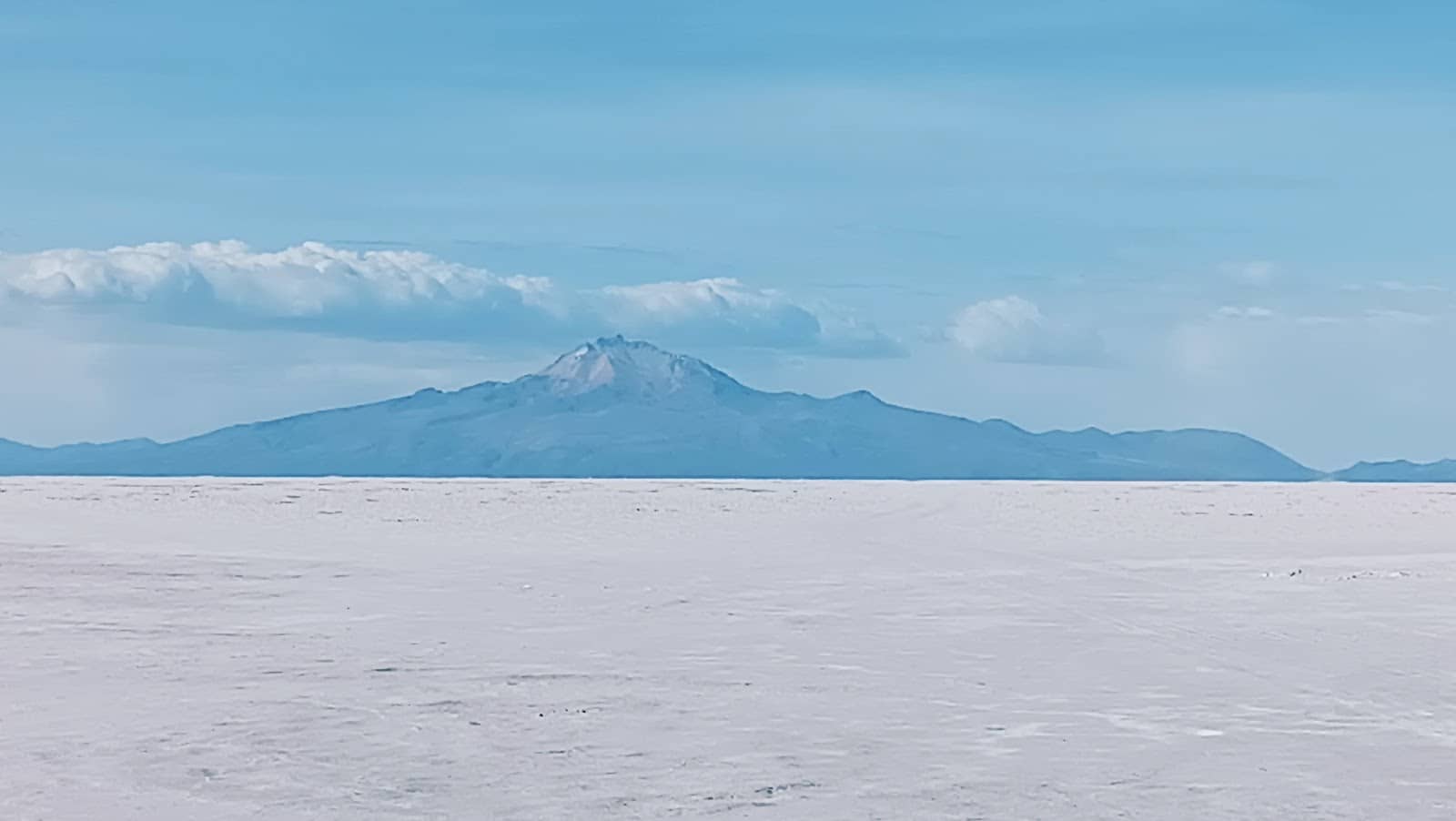
+1When the Salar de Uyuni is covered in a thin layer of water, it transforms into a colossal mirror, reflecting the sky and the imposing silhouette of Tunupa Volcano. This phenomenon creates surreal and breathtaking scenes, making it a dream destination for photographers and travelers alike. Videos often showcase this incredible mirror effect, highlighting the magical atmosphere.
Many tours that explore the Salar de Uyuni include a visit to Tunupa Volcano, recognizing its significance as a landmark and a viewpoint. Whether you're admiring its colorful slopes from afar or hiking to its summit, Tunupa Volcano is an integral part of the unforgettable Uyuni experience.
+1
Social
from TikTok, Instagram & Reddit