
Tiwanaku
Explore Tiwanaku, a pre-Inca marvel near Lake Titicaca, famed for its enigmatic stone structures and advanced ancient engineering.
Highlights
Must-see attractions

Social
From TikTok & Reddit
Best Time
Dry season, fewer crowds
Tiwanaku
Best Time
Dry season, fewer crowds
Highlights
Must-see attractions
Explore Tiwanaku, a pre-Inca marvel near Lake Titicaca, famed for its enigmatic stone structures and advanced ancient engineering.
"A must-see for its ancient mysteries and impressive stonework, Tiwanaku captivates visitors."
Book a Guided Tour
Enhance your understanding with local guides who share fascinating history and theories.
Wear Comfortable Shoes
You'll be doing a lot of walking on uneven terrain. :athletic_shoe:

Highlights
Discover the most iconic attractions and experiences
Puerta del Sol (Gate of the Sun)
Main ceremonial center
An iconic monolithic sandstone gateway, intricately carved with deities and symbols.
Kalasasaya Temple
Ceremonial complex
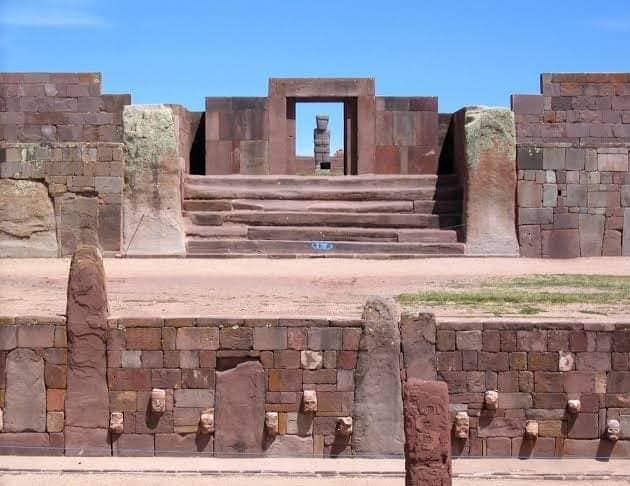
A large, rectangular temple platform with impressive stone monoliths and intricate carvings.

Puma Punku
Adjacent to Tiwanaku ruins
Known for its massive, precisely cut stone blocks, some weighing over 100 tons.
Akappana Pyramid
Central mound
A massive stepped pyramid, once the ceremonial heart of the ancient city.
Plans like a pro.
Thinks like you
Planning Your Visit
Getting to Tiwanaku
Best Time to Visit
Best Times
Insider Tips
from TikTok, Instagram & Reddit
Book a Guided Tour
Enhance your understanding with local guides who share fascinating history and theories.
Wear Comfortable Shoes
You'll be doing a lot of walking on uneven terrain. :athletic_shoe:
Acclimatize to Altitude
Tiwanaku is at high altitude. Spend a day or two in La Paz before visiting. :mountain_snow:
Bring Sun Protection
The sun is intense at this altitude. Hat, sunscreen, and sunglasses are essential. :sunwithface:
Tips
from all over the internet
Book a Guided Tour
Enhance your understanding with local guides who share fascinating history and theories.
Wear Comfortable Shoes
You'll be doing a lot of walking on uneven terrain. :athletic_shoe:
Acclimatize to Altitude
Tiwanaku is at high altitude. Spend a day or two in La Paz before visiting. :mountain_snow:
Bring Sun Protection
The sun is intense at this altitude. Hat, sunscreen, and sunglasses are essential. :sunwithface:
Explore Puma Punku
Don't miss the enigmatic, precisely cut stone blocks of Puma Punku.
What Travellers Say
Reviews Summary
Visitors are consistently awestruck by the ancient engineering and mysterious stone carvings at Tiwanaku and Puma Punku, often describing it as a highlight of their Bolivia trip. The historical significance and the sheer scale of the ruins leave a lasting impression, though some find the site less visually dramatic than other ruins and note the challenging high altitude.
What People Like
What People Dislike
Frequently Asked Questions
🚇 🗺️ Getting There
Tiwanaku is approximately 70 km from La Paz. The most common ways to get there are by guided tour, which often includes transportation and a guide, or by taking a public bus from La Paz to the town of Tiwanaku. The bus journey takes about 2 hours.
Many travelers find guided tours convenient as they handle transportation and provide historical context. However, going independently by bus allows for more flexibility.
The travel time from La Paz to Tiwanaku is typically around 1.5 to 2 hours by road, depending on traffic and the mode of transport.
Yes, Tiwanaku and Puma Punku are adjacent archaeological sites and are usually visited together as part of the same excursion or day trip.
Puma Punku is located right next to the main Tiwanaku archaeological site, so you can easily walk between them.
🎫 🎫 Tickets & Entry
The archaeological site of Tiwanaku is generally open daily from morning until late afternoon. It's advisable to check the most current hours locally or with your tour operator, as they can vary.
Admission fees for Tiwanaku can vary for Bolivian nationals and foreigners. It's recommended to check the official ticket prices upon arrival or through local tourism information sources.
For independent travel, tickets can usually be purchased at the site. If you are part of a guided tour, your ticket is typically included in the tour package.
Information on discounts for students or seniors is not widely publicized. It's best to inquire at the ticket office upon arrival for any available concessions.
The entrance fee generally grants access to the main archaeological site, including the Kalasasaya Temple, Akappana Pyramid, and the Sun Gate. The Puma Punku site is usually included as well.
🎫 🧭 Onsite Experience
Key highlights include the Puerta del Sol (Gate of the Sun), the Kalasasaya Temple with its monoliths, the Akappana Pyramid, and the enigmatic Puma Punku with its precisely cut stones. 
A visit to both Tiwanaku and Puma Punku typically requires at least 3-4 hours to explore thoroughly. Many visitors combine this with a trip to Lake Titicaca.
The terrain at Tiwanaku can be uneven and sandy, which may pose challenges for individuals with mobility issues. Some areas might be more accessible than others.
Yes, official guides are usually available for hire at the entrance to the archaeological site. They can provide valuable historical context and insights.
Comfortable walking shoes are essential due to the uneven terrain. Layers of clothing are recommended as temperatures can change quickly. Sun protection (hat, sunscreen) is also crucial. :athleticshoe: :sunwith_face:
🍽️ 🍽️ Food & Dining
There are limited food options directly within the archaeological site. It's advisable to eat before or after your visit, or pack snacks. Some local eateries can be found in the nearby town of Tiwanaku.
Yes, some local establishments offer traditional Bolivian cuisine. The 'huatía' experience, a traditional earth oven cooking method, is a unique culinary experience available in the region.
Many visitors enjoy the authentic local food experiences. Trying dishes like 'huatía' can be a memorable part of your visit.
Expect hearty Andean cuisine, often featuring potatoes, quinoa, corn, and local meats. Traditional cooking methods like 'huatía' are a specialty.
Bringing your own water and some snacks is a good idea, especially if you plan to spend several hours exploring. This ensures you stay hydrated and energized. :water_wave:
📸 📸 Photography
The Puerta del Sol, the monolithic statues in Kalasasaya, and the precisely cut stones of Puma Punku offer incredible photographic opportunities. Aerial views can also be stunning.
Photography is generally allowed at the Tiwanaku archaeological site. However, always be respectful of the ruins and other visitors.
Early morning or late afternoon light can create dramatic shadows and highlight the textures of the stone structures. Midday sun can be harsh.
Drone usage is typically restricted at archaeological sites to preserve the environment and prevent disturbance. It's best to check local regulations before flying a drone. :noentrysign:
A wide-angle lens is useful for capturing the scale of the structures. A telephoto lens can be good for details on carvings. A sturdy tripod can help with low-light photography. :camerawithflash:
For Different Travelers
Tailored advice for your travel style
👨👩👧 Families with Kids
Be prepared for the high altitude, which can affect children more quickly. Bring plenty of snacks and water, and consider a shorter visit if needed. The open spaces allow kids to move around, but ensure they stay within designated areas for safety and preservation.
🏛️ History Buffs & Archaeology Enthusiasts
+2Focus on the intricate details of the Puerta del Sol, the monolithic statues, and the perplexing precision of Puma Punku's blocks. Researching the different theories about Tiwanaku's rise and fall before your visit will greatly enhance your appreciation of this significant archaeological site.
+1📸 Photographers
Capture the iconic Puerta del Sol, the imposing monoliths of Kalasasaya, and the mind-boggling precision of Puma Punku's blocks. Wide-angle lenses are great for the overall scale, while detail shots can reveal the artistry of the carvings.
+1Deep Dives
In-depth insights and expert knowledge
The Mysteries of Puma Punku
Many of these stones were transported from quarries miles away, and their perfect right angles and smooth surfaces suggest sophisticated cutting and shaping techniques that are difficult to replicate even with modern tools. The sheer scale and precision have led some to speculate about lost civilizations or extraterrestrial intervention, though mainstream archaeology attributes these feats to the ingenuity of the Tiwanaku people.
+1Exploring Puma Punku feels like stepping into a puzzle left by giants. The way the stones fit together without mortar, and the complex geometric patterns, invite contemplation about the knowledge and capabilities of this ancient civilization that flourished long before the Incas.
Tiwanaku: A Pre-Inca Powerhouse
+2The city's design and monumental structures, such as the Kalasasaya Temple and the Akappana Pyramid, reflect a sophisticated understanding of astronomy, engineering, and social organization. The intricate carvings on gateways like the Puerta del Sol depict complex iconography, hinting at a rich cosmology and belief system.
+1Tiwanaku's legacy is profound, influencing subsequent Andean cultures, including the Incas, who revered the site and its deities. The archaeological discoveries here continue to shed light on the development of complex societies in South America and the advanced capabilities of ancient peoples.
+2Culinary Traditions of Tiwanaku
This practice is not just about cooking; it's a communal event that connects people with the land, fire, and each other. Families and communities come together to prepare and share this traditional meal, often accompanied by stories and cultural exchanges. It's a way to honor the earth and preserve ancient gastronomic heritage.
Experiencing a 'huatía' near Tiwanaku provides a deeper connection to the local culture and a delicious insight into the flavors of the Andes. It's a testament to how ancient traditions continue to thrive and offer memorable experiences for visitors.
Social
from TikTok, Instagram & Reddit