Puma Punku
An ancient Bolivian marvel of impossibly precise, massive stone blocks that defy explanation and spark theories of lost technology.

Highlights
Must-see attractions

Social
From TikTok & Reddit
Best Time
Maximize exploration time
Puma Punku
Best Time
Maximize exploration time
Highlights
Must-see attractions
An ancient Bolivian marvel of impossibly precise, massive stone blocks that defy explanation and spark theories of lost technology.
"Packed with incredibly precise stonework that seems almost impossible for an ancient civilisation to have created."
📚 Research Before You Go
Understanding the history and theories beforehand greatly enhances appreciation for the site's mysteries.
🚶 Hire a Local Guide
Guides unlock the site's secrets and provide context that's otherwise missing.
Highlights
Discover the most iconic attractions and experiences
The H-Blocks
Main temple complex
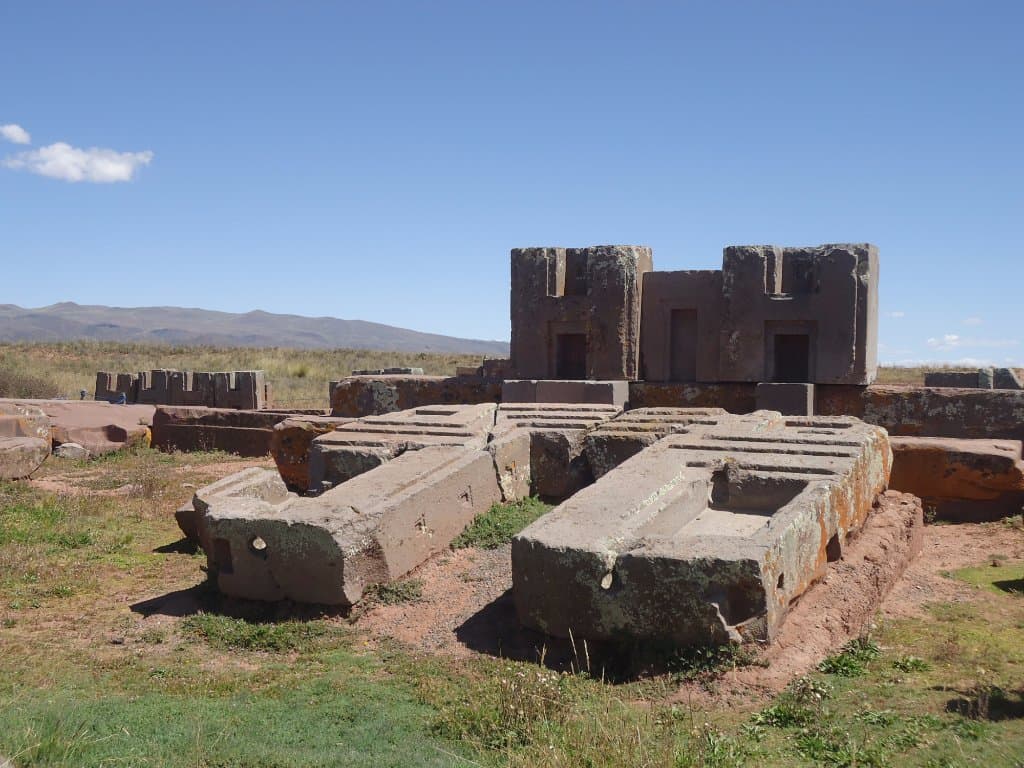
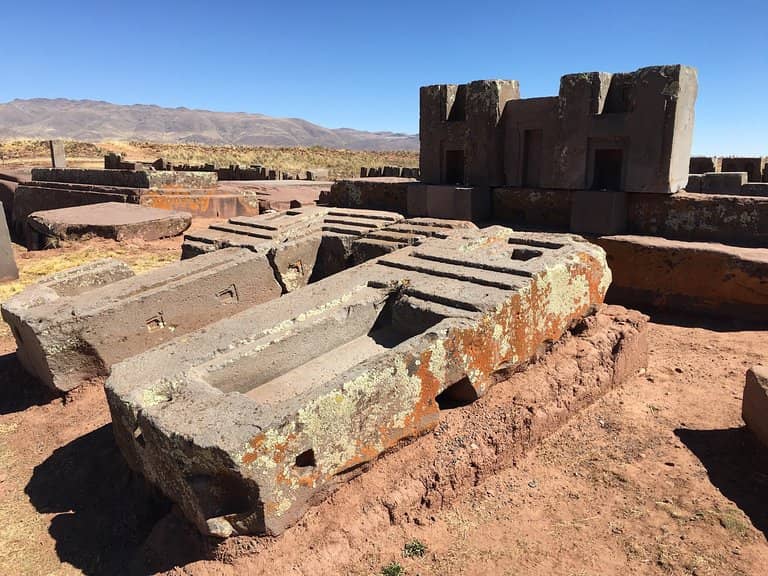
Massive, precisely cut H-shaped stones with interlocking features that challenge modern understanding of ancient engineering.
 +1
+1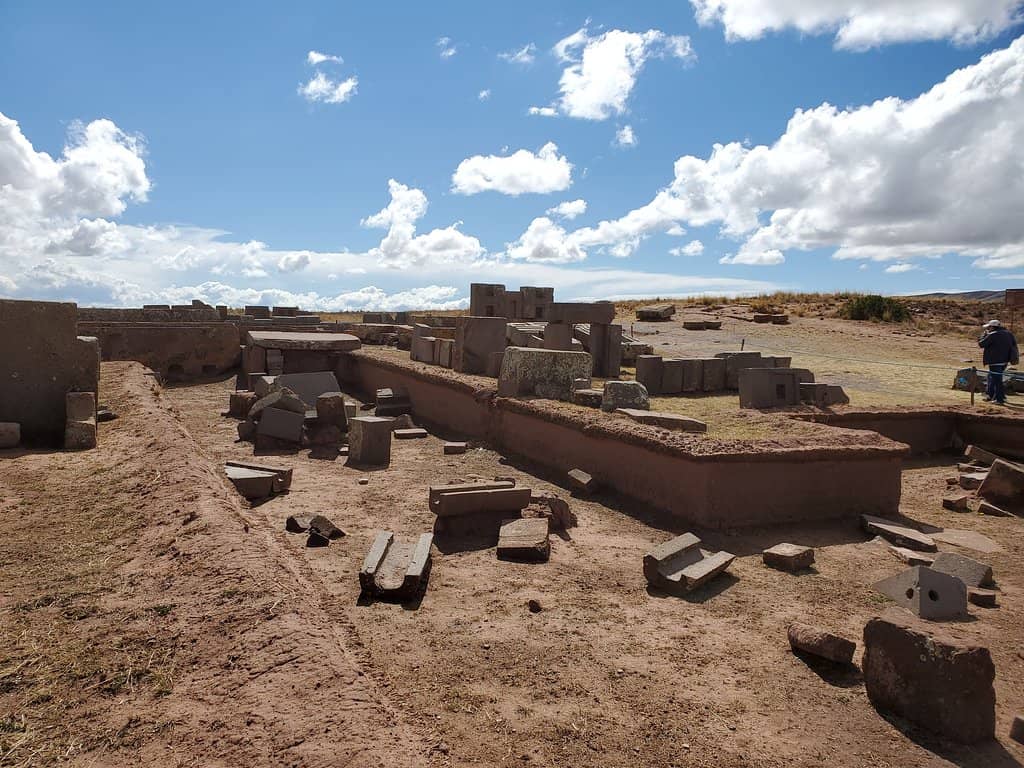
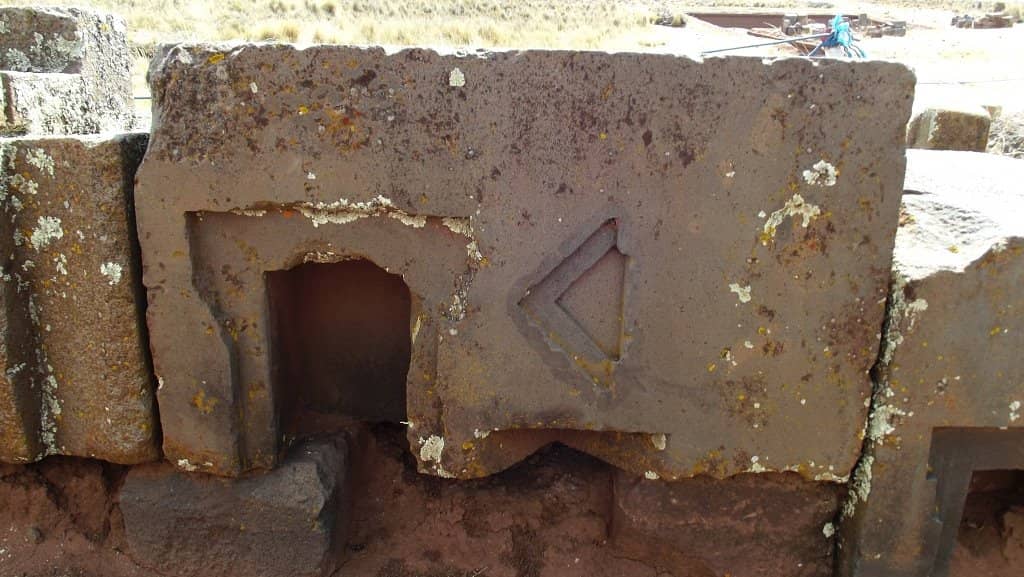
Andesite Stone Precision
Throughout the site
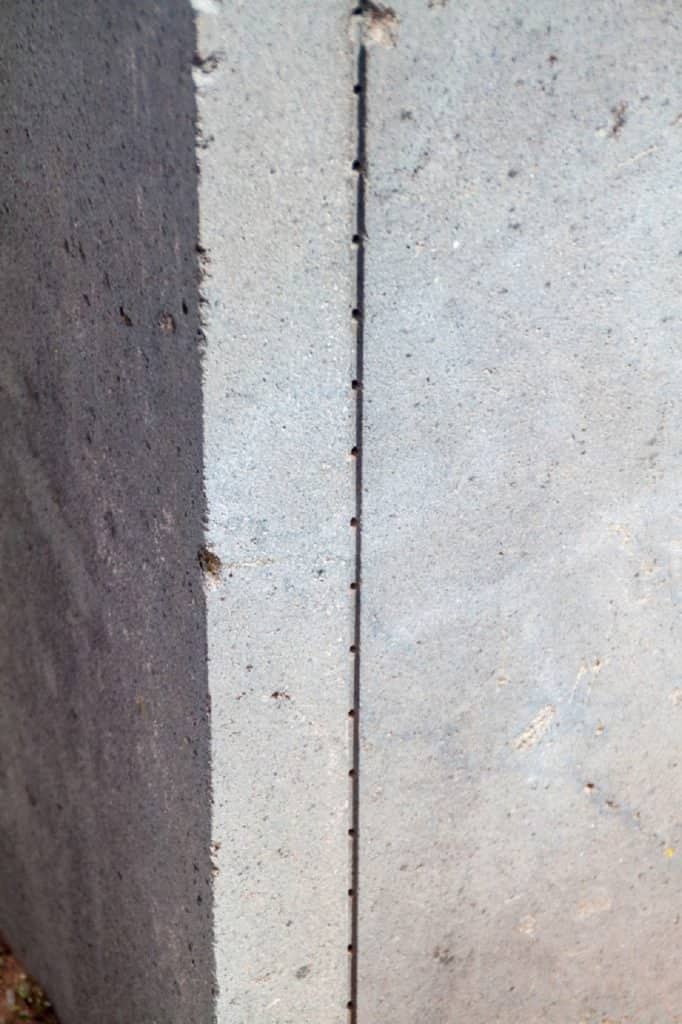
Perfectly carved andesite blocks with laser-sharp angles and smooth surfaces, some weighing over 100 tons.
Flat Pyramid Structure
Main temple area
Explore the remnants of a flat pyramid, marveling at the condition and precision of the stones used in its construction.
Plans like a pro.
Thinks like you
Planning Your Visit
Understand the Mystery
Getting There & Guides
Best Times
Insider Tips
from TikTok, Instagram & Reddit
📚 Research Before You Go
Understanding the history and theories beforehand greatly enhances appreciation for the site's mysteries.
🚶 Hire a Local Guide
Guides unlock the site's secrets and provide context that's otherwise missing.
📸 Bring Your Camera
The intricate stonework and vast scale are incredibly photogenic.
👟 Wear Comfortable Shoes
You'll be walking on uneven terrain and exploring the ruins.
Tips
from all over the internet
📚 Research Before You Go
Understanding the history and theories beforehand greatly enhances appreciation for the site's mysteries.
🚶 Hire a Local Guide
Guides unlock the site's secrets and provide context that's otherwise missing.
📸 Bring Your Camera
The intricate stonework and vast scale are incredibly photogenic.
👟 Wear Comfortable Shoes
You'll be walking on uneven terrain and exploring the ruins.
💧 Stay Hydrated
The high altitude can be dehydrating; carry plenty of water.
What Travellers Say
Reviews Summary
Visitors are consistently amazed by Puma Punku's incredibly precise and massive stonework, often described as impossible for ancient civilizations. While the site's enigmatic nature is a major draw, many note that a guide is essential to truly understand its history and significance, as on-site information is limited.
"Puma Punku is one of the most fascinating places I’ve ever visited. It is packed with incredibly precise stonework that seems almost impossible for an ancient civilisation to have created without advanced tools. The perfectly carved andesite blocks with laser-sharp angles and interlocking features left me speechless. It’s not just the craftsmanship, but also the sheer weight and size of the stones—some weighing over 100 tons!"
Alex Bezrukov
"Intriguing ruins with plenty of histories to tell. You can't get much from this place without a guide to explain everything to you. The information about the ruins on the site is poor. However it's interesting to wonder how things were working in the past. This archaeological site is definitely a gem that must be preserved at all costs."
Deric Lima (Zuka)
"Mind blowing ruins, a must see in Tiwanaku! We walked just a small distance there before going to Tiwanaku, I would suggest doing this much smaller site first as others ran out of time after Puma Punku and it would be a shame to miss these ruins and seeing things like the mysterious H blocks. We walked around the whole flat pyramid structure too, the condition of the blocks and precision of the stone cuts and building is just really impressive. This site is definitely underrated and not talked about enough. A must see while you’re there!"
Paige
What People Like
What People Dislike
Frequently Asked Questions
🚇 🗺️ Getting There
Puma Punku is located near Tiwanaku, about a 2-hour drive from La Paz. You can hire a taxi, take a shared minivan (trufi), or join a guided tour. Many travelers opt for tours that combine Tiwanaku and Puma Punku for convenience.
Yes, a day trip from La Paz to Puma Punku and Tiwanaku is very common and feasible, though it will be a long day.
The sites are relatively close to each other. If you have a private driver or tour, they will transport you. Otherwise, it's a short walk between the main Tiwanaku ruins and Puma Punku.
Shared minivans (trufi) operate between La Paz and Tiwanaku. From the Tiwanaku town, you can walk to the archaeological sites.
The journey typically takes around 2 hours each way, depending on traffic and road conditions.
🎫 🎫 Tickets & Entry
Generally, a single entrance fee covers both the Tiwanaku and Puma Punku archaeological sites. It's advisable to confirm current pricing upon arrival.
Puma Punku is part of the Tiwanaku archaeological complex, which typically opens in the morning and closes in the late afternoon. Exact hours can vary, so checking locally is recommended.
The entrance fee is generally considered affordable, especially when compared to major international tourist sites. Prices can be around 60 Bolivianos.
Yes, you can visit independently, but a guide is highly recommended to understand the site's significance and mysteries.
As an archaeological site, visitors are expected to respect the ruins and not disturb or remove any artifacts. Stick to designated paths.
🎫 🧭 Onsite Experience
Many visitors are awestruck by the perfectly cut H-blocks and the incredible precision of the stonework, which seems impossible for ancient tools.
While some rush through, spending at least 2-3 hours allows for a thorough exploration and appreciation of the site's details.
Children can visit, but the site's appeal might be greater for older kids interested in history and mysteries. Ensure they are supervised due to uneven terrain.
Comfortable walking shoes are essential. Layers are recommended as the altitude can mean fluctuating temperatures. Sun protection is also advised.
Basic facilities might be available near the main Tiwanaku complex, but it's best to bring your own water and snacks.
📸 📸 Photography
The H-blocks, the precisely cut stone surfaces, and the overall layout of the temple complex offer numerous stunning photographic opportunities.
Yes, photography is generally allowed throughout the site. However, always be respectful of the ruins and other visitors.
A camera with good low-light capabilities and a versatile lens would be beneficial, but a smartphone can capture excellent images.
Drone usage is typically restricted at archaeological sites to protect the ruins and for safety reasons. Check local regulations before flying.
Early morning or late afternoon often provides softer light and fewer crowds, leading to more atmospheric and less obstructed photos.
For Different Travelers
Tailored advice for your travel style
👨👩👧 Families with Kids
To make the visit more enjoyable, pack plenty of snacks and water, and ensure everyone wears comfortable shoes. A guide can help keep children engaged by telling stories and posing questions about how the structures were built. Researching some of the wilder theories beforehand might also add an element of fun and wonder for the kids.
🧐 History Buffs & Mystery Seekers
You'll be captivated by the precision of the stonework, the sheer weight of the blocks, and the unanswered questions about their construction and purpose. To truly appreciate Puma Punku, do your research beforehand. Explore theories about lost technologies, advanced engineering, and even extraterrestrial involvement.
🚶 Solo Travelers
You can easily spend hours exploring the ruins at your own pace, taking in the details and imagining the past. While you can explore independently, consider joining a small group tour or hiring a guide for at least part of your visit. This provides an opportunity to connect with other travelers and gain deeper insights into the site's history and mysteries.
Deep Dives
In-depth insights and expert knowledge
The Enigma of Puma Punku's Construction
The H-shaped blocks, in particular, are a marvel, exhibiting perfectly straight edges, right angles, and smooth surfaces that seem impossible to achieve with the primitive tools believed to have been available to the Tiwanaku civilization. +1 Theories abound, ranging from advanced lost technologies to extraterrestrial intervention, as the methods used to cut, shape, and transport these colossal stones remain a profound mystery. +1Archaeologists have proposed various theories, including the use of advanced abrasion techniques with sand and water, or even sophisticated metal tools. However, the sheer scale and precision of the cuts, some appearing almost 'milled,' continue to baffle experts.
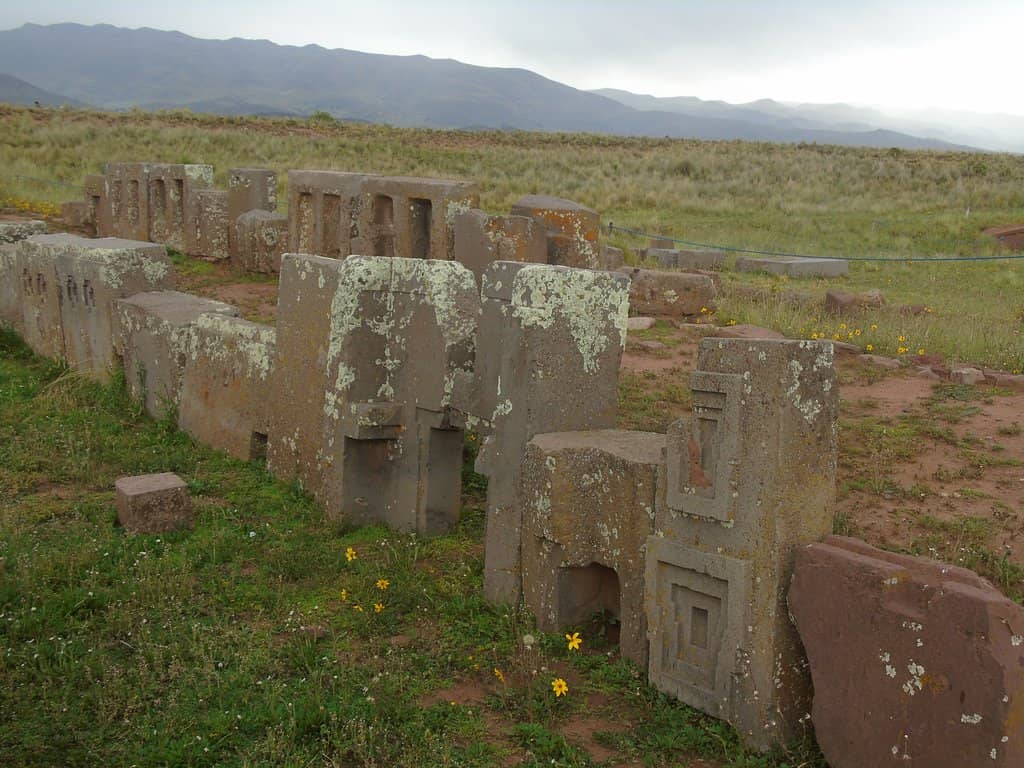
The interlocking nature of the stones suggests a complex architectural plan, where blocks were designed to fit together seamlessly without mortar, a testament to the builders' advanced understanding of engineering and geometry. While some researchers suggest that the site was significantly more intact in the past and has been heavily eroded and damaged over centuries, the initial construction methods remain a subject of intense debate.
Puma Punku's Location and Context
The name 'Puma Punku' translates to 'Door of the Puma' in the Aymara language, reflecting its cultural significance. The site is believed to have been constructed by the Tiwanaku civilization, a pre-Inca culture that flourished in the Andean region from around 500 to 1000 AD.
The purpose of Puma Punku is not fully understood, with theories suggesting it may have served as a temple, a ceremonial center, or even a royal estate. The remote and high-altitude location, combined with the sheer scale and precision of the construction, has led to numerous theories about its origins and purpose.
Its proximity to Tiwanaku means that most visitors experience both sites together, often as part of a day trip from La Paz, allowing for a comprehensive understanding of this ancient Andean civilization. 


Social
from TikTok, Instagram & Reddit