Death Road Bolivia
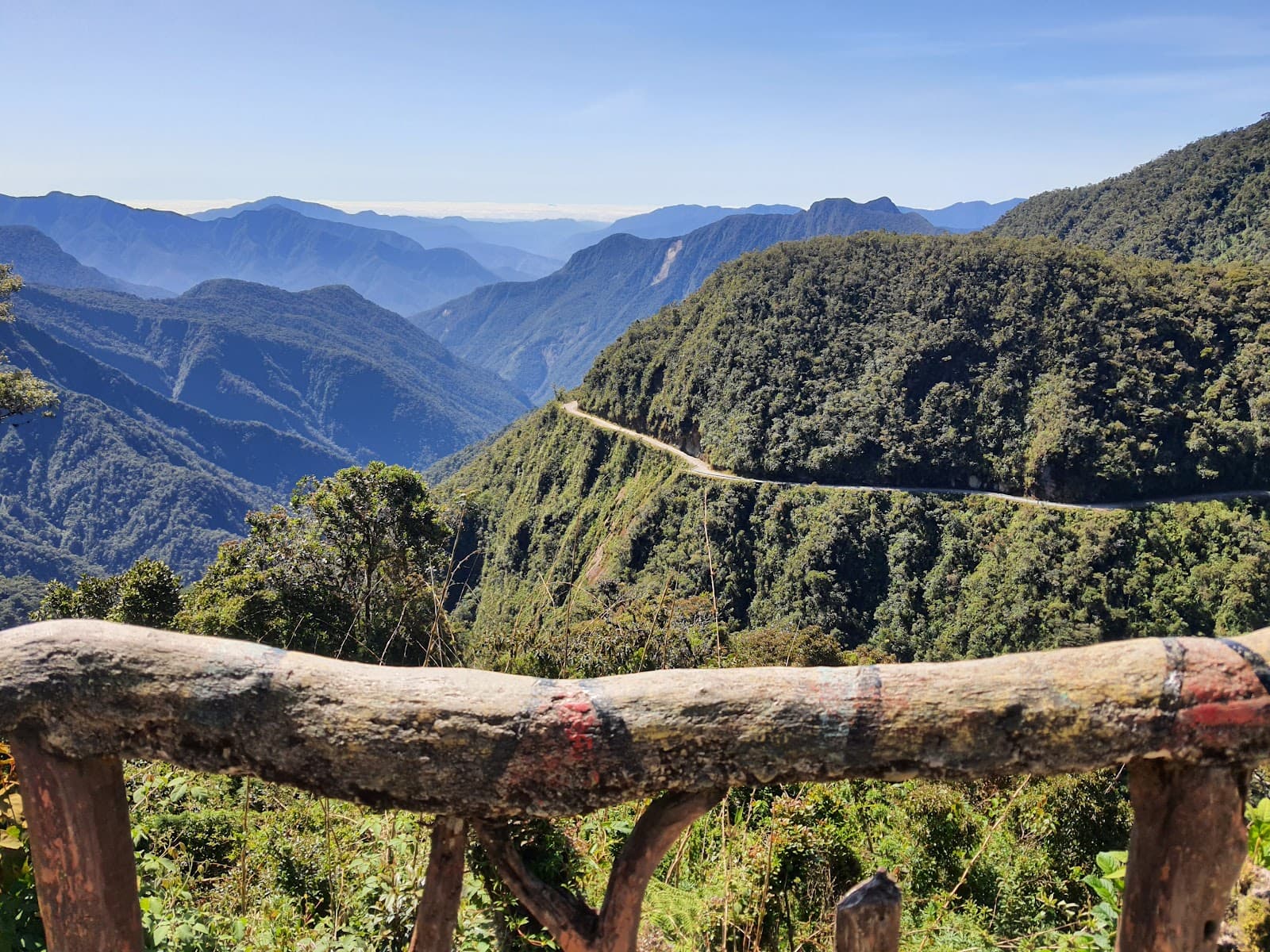
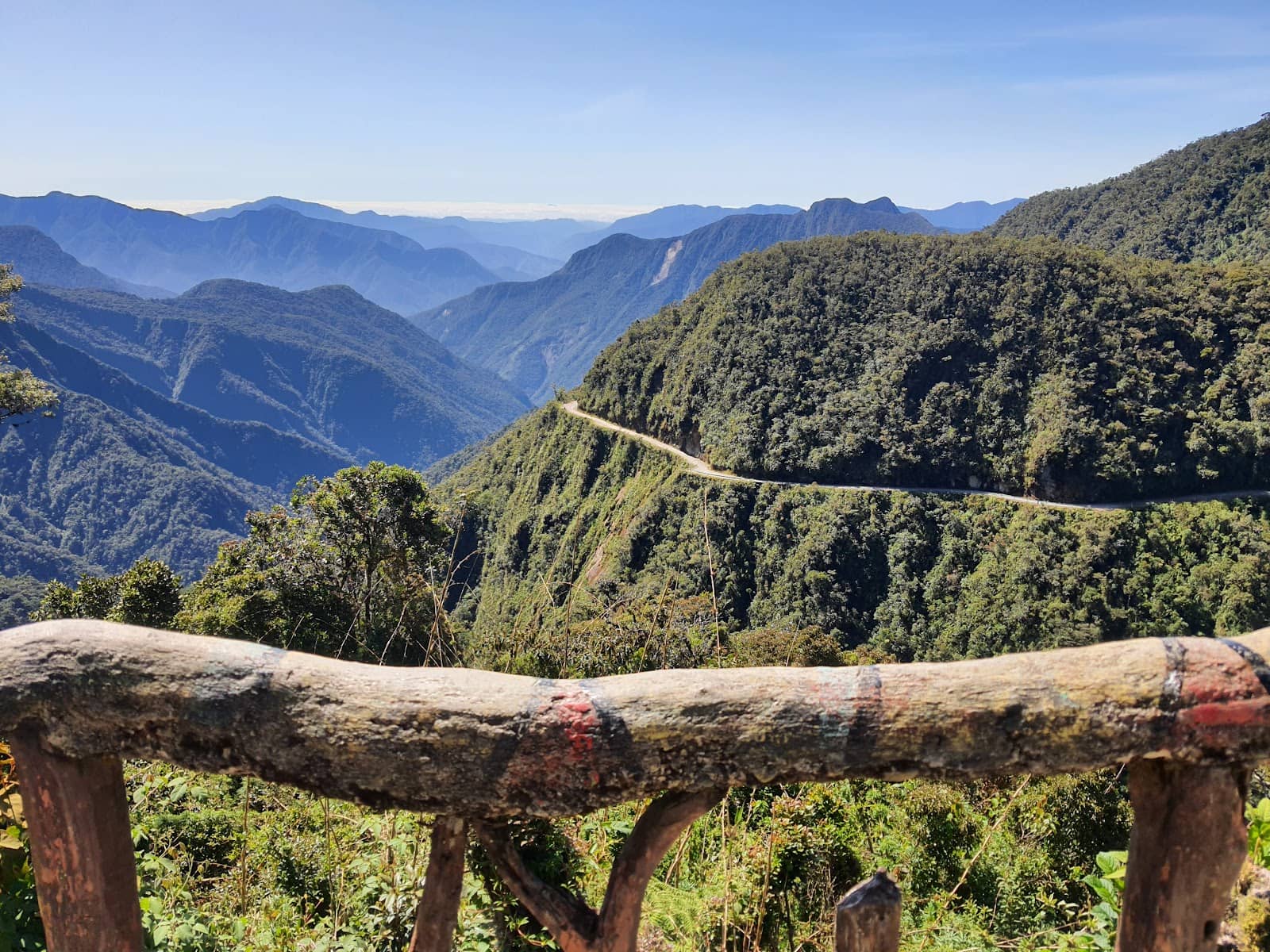
Cycle down the legendary 'Death Road,' once the world's most dangerous, for an epic downhill adventure amidst stunning Bolivian landscapes.
Highlights
Must-see attractions

Social
From TikTok & Reddit
Best Time
Clearer skies, better visibility
Death Road Bolivia
Best Time
Clearer skies, better visibility
Highlights
Must-see attractions
Cycle down the legendary 'Death Road,' once the world's most dangerous, for an epic downhill adventure amidst stunning Bolivian landscapes.
"The Death Road offers an unforgettable adrenaline rush and breathtaking views, a must-do for adventure seekers!"

Choose a Reputable Tour Operator
Prioritize safety! Opt for companies with good reviews and proper gear.
Gear Up for the Ride
Full-face helmets, knee pads, and sturdy bikes are essential for this downhill adventure.

Highlights
Discover the most iconic attractions and experiences
The Thrilling Descent
Experience the ultimate adrenaline rush as you cycle down the infamous 'Death Road,' a once perilous route now a thrilling adventure.
Spectacular Andean Scenery
Marvel at breathtaking views of lush valleys and dramatic cliffs as you navigate this iconic Bolivian landscape.
Historical Significance
Learn about the road's notorious past, built by prisoners of war and once considered the world's most dangerous.
Plans like a pro.
Thinks like you
Planning Your Visit
Prepare for an Adrenaline Rush
Book with Reputable Operators
Best Times
Insider Tips
from TikTok, Instagram & Reddit
Choose a Reputable Tour Operator
Prioritize safety! Opt for companies with good reviews and proper gear. 
Gear Up for the Ride
Full-face helmets, knee pads, and sturdy bikes are essential for this downhill adventure.
Physical Fitness is Key
While tours cater to various levels, being reasonably fit helps manage the 5-hour descent.
Capture the Views
Bring a GoPro or secure phone mount to record your epic journey down the 'Death Road.'
Tips
from all over the internet
Choose a Reputable Tour Operator
Prioritize safety! Opt for companies with good reviews and proper gear.
Gear Up for the Ride
Full-face helmets, knee pads, and sturdy bikes are essential for this downhill adventure.
Physical Fitness is Key
While tours cater to various levels, being reasonably fit helps manage the 5-hour descent.
Capture the Views
Bring a GoPro or secure phone mount to record your epic journey down the 'Death Road.'
Respect the Road's History
Be mindful of the many cross markings, a somber reminder of past accidents.
What Travellers Say
Reviews Summary
Visitors consistently praise the Death Road for its unparalleled adrenaline rush and spectacular scenery, calling it a once-in-a-lifetime adventure. The thrill of cycling down the infamous route, combined with the dramatic Andean landscapes, leaves a lasting impression. However, some mention the physical exertion and the need for a good tour operator to ensure safety.
What People Like
What People Dislike
Frequently Asked Questions
🚇 🗺️ Getting There
Most tours to the Death Road, also known as the North Yungas Road, depart from La Paz. Tour operators typically arrange transportation from your accommodation in La Paz to the starting point of the descent, usually near La Cumbre Pass. The journey to the start point can take about an hour.
While the road itself is still used by some local traffic, it's not recommended or practical to access it via public transport for the cycling experience. Organized tours are the standard and safest way to experience the downhill ride.
The descent typically begins at La Cumbre Pass, which is at a very high altitude (around 4,700 meters or 15,400 feet). This is where you'll get your bikes and safety briefing before starting the downhill journey.
The transfer from La Paz to the starting point at La Cumbre Pass usually takes around 1 to 1.5 hours, depending on traffic and road conditions.
While it's technically possible to drive on parts of the road, it's highly discouraged due to its extreme danger and narrowness. The road is primarily a tourist attraction for cycling and adventure activities.
🎫 🎫 Tickets & Entry
You don't typically buy individual 'tickets' for Death Road itself. Instead, you book a guided tour package with a tour operator, which includes the bike rental, safety gear, guide, and transportation. Prices vary by operator.
Tour prices can range from approximately $50 to $100 USD, depending on the operator, inclusions, and the quality of the equipment provided. It's wise to compare options.
Most tours include a mountain bike, helmet, protective gear (gloves, knee/elbow pads), a guide, water, and transportation to and from La Paz. Some may offer snacks or a simple lunch.
Most tour operators have age restrictions, typically requiring participants to be at least 12-16 years old, depending on the company. It's best to check with your chosen operator.
While the primary activity is cycling, some tours might offer options for passengers to ride in support vehicles. However, the main draw is the downhill biking experience.
🎫 🚴 Onsite Experience
Historically, it was considered the world's most dangerous road due to its narrowness, lack of guardrails, and sheer drops, leading to many fatalities. While tours are now much safer with modern bikes and guides, it still requires caution and respect.
You don't need to be an expert, but a moderate level of fitness and comfort on a bike is recommended. The descent is long (around 60 km) and can be tiring. Average cyclists can complete it with proper guidance.
The cycling portion itself usually takes around 4-5 hours to complete the 60-70 km descent. Including transfers and breaks, the entire tour can last 6-8 hours.
The terrain starts with paved roads at high altitude, transitioning to unpaved, gravel, and muddy sections as you descend into the Yungas region. Expect sharp turns, steep descents, and uneven surfaces.
Wear comfortable, layered clothing suitable for varying temperatures. Long pants, a long-sleeved shirt, sturdy closed-toe shoes, and sunglasses are recommended. The tour operators provide helmets and protective gear.
📸 📸 Photography
Every turn offers a dramatic vista! Key spots include the start at La Cumbre Pass, viewpoints overlooking the valleys, waterfalls, and the infamous cross markings. Capture the sheer drops and the winding road.
It's generally not safe to take photos while actively cycling due to the speed and terrain. Most tours have designated stops for photos, and support vehicles can also be used for capturing shots. Using a GoPro mounted on your helmet or handlebars is ideal.
A GoPro or action camera is highly recommended for its durability and ability to capture the action. If using a smartphone, ensure it's securely stored and consider a waterproof case. A drone can offer incredible aerial shots, but check local regulations.
Capturing the entire 60-70 km stretch in one photo is impossible. Focus on capturing segments, the dramatic elevation changes, and the stunning natural beauty of the Yungas region. Support vehicles often have the best vantage points for wider shots.
Yes, guides are very familiar with the route and will often stop at designated viewpoints or areas with particularly impressive scenery or historical significance, like the cross markings.
For Different Travelers
Tailored advice for your travel style
👨👩👧 Families with Kids
💰 Budget Travelers
Many budget-friendly options still provide a safe and thrilling experience. Consider booking in advance or looking for package deals if you're exploring other activities in La Paz.❤️ Adventure Seekers & Thrill Chasers
+1 Ensure you choose a tour that matches your skill level and provides top-notch safety gear. The feeling of conquering this legendary route is incredibly rewarding for any adventure enthusiast.Deep Dives
In-depth insights and expert knowledge
The Infamous 'Death Road': History and Evolution
+1In 2009, a new, safer highway was inaugurated, bypassing the most dangerous sections of the old road. This shift transformed the North Yungas Road from a vital but deadly thoroughfare into a unique adventure tourism destination. Today, it's primarily used by cyclists seeking an adrenaline-pumping downhill experience and by local drivers who still utilize parts of it. The stark contrast between its perilous past and its current adventurous present makes it a compelling destination for travelers.
+1Many sections of the road still bear witness to its dangerous past, with numerous crosses marking spots where vehicles and people tragically fell. These markers serve as a somber reminder of the risks involved and add a layer of historical gravity to the adventure.
Cycling the Death Road: What to Expect
+1The descent covers approximately 60-70 kilometers and can take anywhere from 4 to 5 hours of actual cycling time. While the downhill nature makes it less physically demanding in terms of pedaling, the constant need for focus, control, and navigating uneven terrain can be tiring. Reputable tour operators provide well-maintained mountain bikes with good brakes and suspension, along with full-face helmets, gloves, and protective padding.
Throughout the ride, you'll encounter dramatic changes in scenery, from the cold, arid highlands to the lush, subtropical Yungas region. Waterfalls, dense vegetation, and sheer drops are constant companions. It's crucial to listen to your guide, maintain a safe speed, and be aware of any local traffic that might still use parts of the road.
+1 The feeling of accomplishment and the sheer thrill of conquering this legendary road make it an unforgettable experience.
Social
from TikTok, Instagram & Reddit