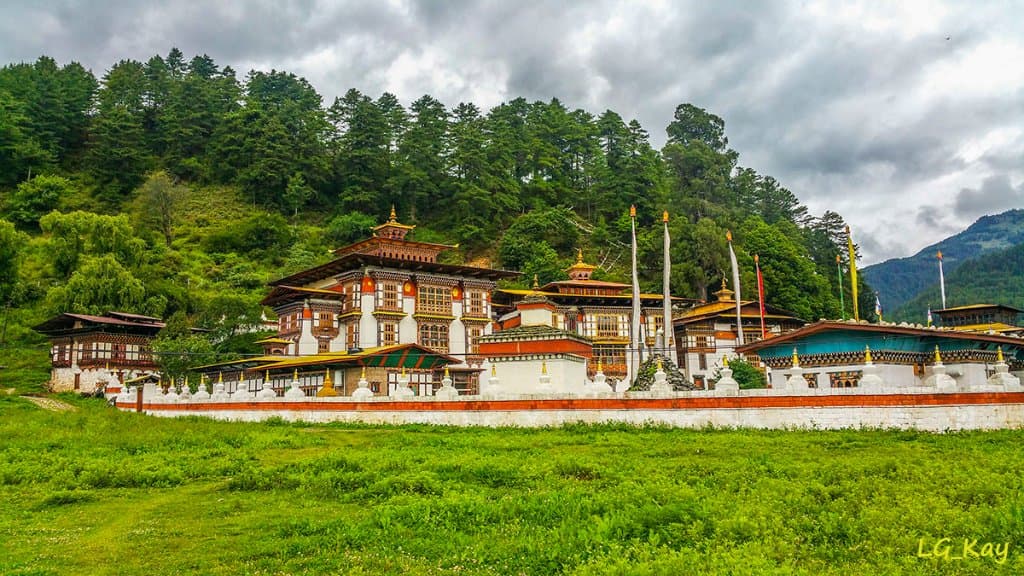
Kurjey Lhakhang Bumthang Bhutan
Sacred Buddhist monastery in Bumthang, Bhutan, famed for Guru Rinpoche's body imprint cave and vibrant festivals.

Highlights
Must-see attractions

Social
From TikTok & Reddit
Best Time
Experience vibrant festivals
Kurjey Lhakhang Bumthang Bhutan
Best Time
Experience vibrant festivals
Highlights
Must-see attractions
Sacred Buddhist monastery in Bumthang, Bhutan, famed for Guru Rinpoche's body imprint cave and vibrant festivals.
"One of the most important and memorable temples in Bhutan, a place where the past and present truly meet."
🧥 Dress Code Reminder
Always wear a kabney (men) or rachu (women) to show respect. Rent or buy one nearby if needed.
📚 Learn the History
Read up on Guru Rinpoche and the monastery's significance for a richer visit.
Highlights
Discover the most iconic attractions and experiences
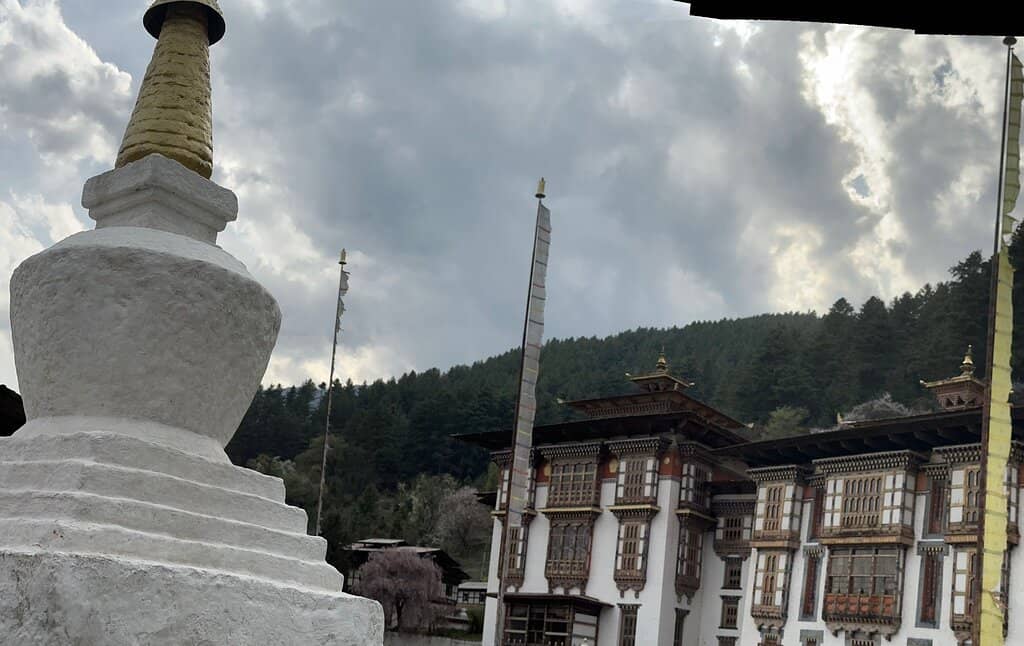
Guru Rinpoche's Body Imprint Cave
Main Temple
The sacred rock cave where Guru Rinpoche meditated and left his body imprint. A deeply spiritual and historically significant spot.
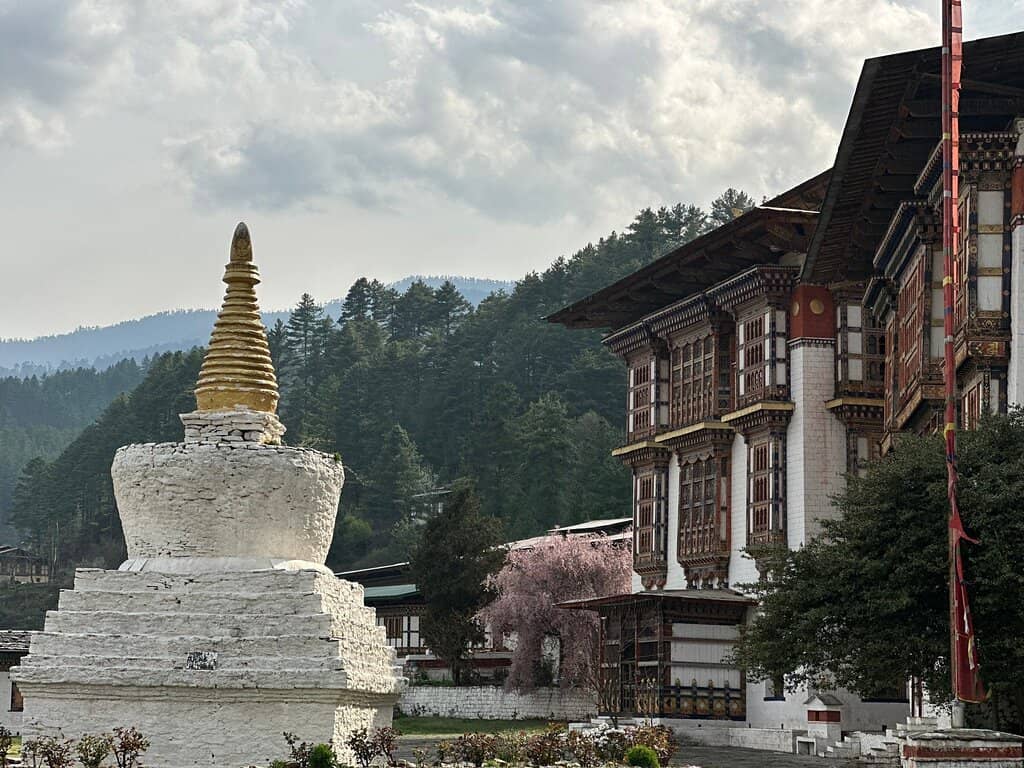
Ancient Murals and Statues
Newer Temples
Explore the richly decorated newer temples within the complex, adorned with vibrant murals and intricate statues depicting Buddhist deities.
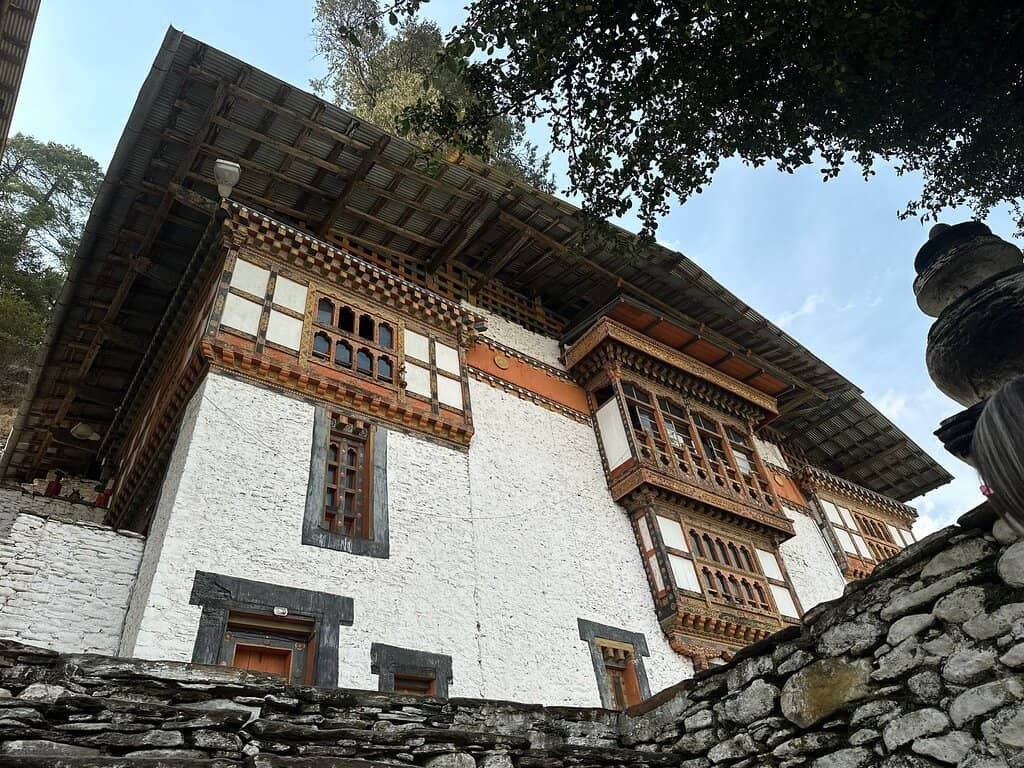
Kurjey Tshechu Festival
Monastery Grounds
Experience the vibrant annual festival with traditional mask dances, religious rituals, and cultural performances.

Plans like a pro.
Thinks like you
Planning Your Visit
Respectful Attire is Key
Understand the Sacred Significance
Best Times
Insider Tips
from TikTok, Instagram & Reddit
🧥 Dress Code Reminder
Always wear a kabney (men) or rachu (women) to show respect. Rent or buy one nearby if needed.
📚 Learn the History
Read up on Guru Rinpoche and the monastery's significance for a richer visit.
🙏 Be Mindful and Reverent
Maintain a quiet and respectful demeanor within the sacred spaces.
🚶♀️ Explore the Complex
Wander through the courtyards and newer temples to appreciate the architecture and art.
Tips
from all over the internet
🧥 Dress Code Reminder
Always wear a kabney (men) or rachu (women) to show respect. Rent or buy one nearby if needed.
📚 Learn the History
Read up on Guru Rinpoche and the monastery's significance for a richer visit.
🙏 Be Mindful and Reverent
Maintain a quiet and respectful demeanor within the sacred spaces.
🚶♀️ Explore the Complex
Wander through the courtyards and newer temples to appreciate the architecture and art.
📸 Photography Etiquette
Ask permission before taking photos inside temples; often restricted.
What Travellers Say
Reviews Summary
Visitors find Kurjey Lhakhang to be a deeply significant and serene Buddhist monastery, particularly revered for the sacred cave bearing Guru Rinpoche's body imprint. The intricate murals and the vibrant Tshechu festival are highlights. However, some suggest that understanding the history beforehand enhances the experience, as it might otherwise feel underwhelming to those unfamiliar with its profound spiritual importance.
"We continued our temple walk on foot from Jambay Lhakhang and soon arrived at Kurjey Lhakhang, set against a forested hillside. What makes this place truly unique is the sacred rock cave behind the main temple — it’s believed to bear the body imprint of Guru Rinpoche, who meditated here in the 8th century. The name “Kurjey” literally means “body imprint,” and the temple was built around this rock to preserve and honor it.
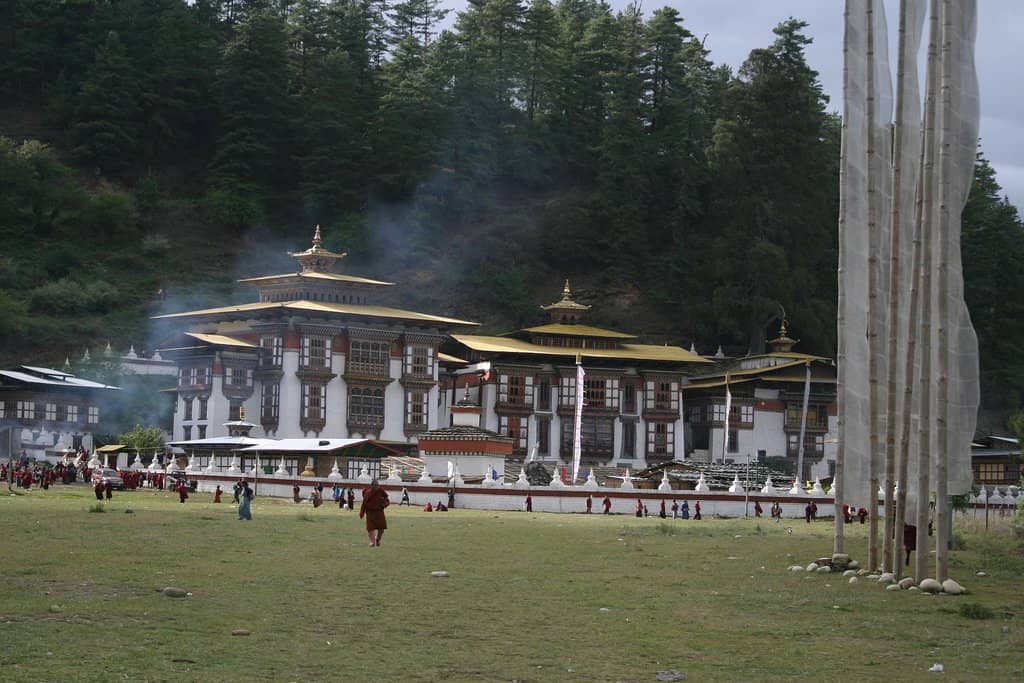
The oldest building in the complex surrounds the rock itself — dark, cool, and filled with butter lamps and a deep sense of reverence. Two newer temples were later added, each richly decorated with murals and statues. Walking around the inner courtyard, with towering buildings on one side and pine forest on the other, it feels like a place where the past and present truly meet. It’s one of the most important temples in Bhutan — but also one of the most memorable ones we visited."
Tibor
"I came to Bhutan for the Tshechu festival at Kurjey Lhakhang, and it was an amazing experience. The mask dances were beautiful, and the atmosphere was full of energy and devotion. Seeing one of the largest thangkas I’ve ever seen was truly unforgettable."
sammi chee
"A very beautiful monastery of great significance to the Buddhists.
It is said that the Guru Rinpoche left a body print here and subdued the local demon.
Very serene and beautiful.
It's free to enter"
Bharathi Mani
What People Like
What People Dislike
Frequently Asked Questions
🚇 🗺️ Getting There
Kurjey Lhakhang is located in Bumthang, central Bhutan. You'll typically need to fly into Bumthang Airport (Bumthang) or take a scenic drive from Paro or Thimphu, which can take several hours. Hiring a private car or using a tour operator is the most common way to reach Bumthang and then travel to the monastery.
Public transportation within Bhutan can be limited, especially to more remote areas like Bumthang. Most visitors rely on private vehicles arranged through their tour operator or hire taxis for local travel within Bumthang to reach Kurjey Lhakhang.
For exploring Bumthang and reaching Kurjey Lhakhang, hiring a local taxi or a private car with a driver is highly recommended. This offers flexibility and comfort, allowing you to easily visit multiple sites in the valley.
Entry to Kurjey Lhakhang itself is generally free. However, there might be a Sustainable Development Fee (SDF) applicable for tourists visiting Bhutan, which is paid to the government.
Kurjey Lhakhang is located a short drive from the main towns in Bumthang. Depending on your starting point, it typically takes around 15-30 minutes by car to reach the monastery complex.
🎫 🎫 Tickets & Entry
No, there are typically no entrance tickets required to visit Kurjey Lhakhang. Entry to the monastery complex is generally free for all visitors.
Monasteries in Bhutan usually open early in the morning and close in the late afternoon or early evening. It's best to visit during daylight hours. Specific timings can vary, so it's advisable to check with your guide or local contacts.
Yes, a respectful dress code is essential. Men should wear a kabney (scarf) and women a rachu (shawl). These can often be rented or purchased nearby if you don't have them.
Photography inside the main temples and sacred areas is usually prohibited to preserve the sanctity of the site. Always look for signage or ask permission before taking pictures.
While the main areas are generally accessible, some parts of the monastery, especially those involving stairs or uneven terrain, might be challenging for individuals with mobility issues. It's advisable to inquire about specific accessibility beforehand.
🎫 🧭 Onsite Experience
The most significant aspect is the sacred rock cave believed to contain the body imprint of Guru Rinpoche, who meditated there. The monastery was built around this site.
You'll see the main temple built around the sacred cave, two newer richly decorated temples with murals and statues, and a serene courtyard surrounded by forested hillsides.
Yes, the Kurjey Tshechu is an important annual festival held here, featuring traditional mask dances and cultural performances that attract many visitors.
Allow at least 1-2 hours to fully appreciate the site, explore the temples, and soak in the spiritual atmosphere. If attending the Tshechu, you'll need more time.
'Kurjey' translates to 'body imprint' in Tibetan, referring to the imprint of Guru Rinpoche's body left on the rock inside the sacred cave.
🍽️ 🍽️ Food & Dining
Typically, there are no dining facilities directly within the monastery complex. You'll find restaurants and eateries in the nearby towns of Bumthang where you can enjoy Bhutanese cuisine.
Bumthang offers traditional Bhutanese dishes, often featuring rice, chilies, cheese, and local vegetables. Popular dishes include Ema Datshi (chilies and cheese stew) and Phaksha Paa (pork with chilies).
While you can bring snacks and water, it's important to be mindful of the sacred environment. Dispose of any waste properly in designated bins outside the monastery.
Yes, vegetarian options are usually available in most restaurants in Bumthang, as many Bhutanese dishes can be adapted to be vegetarian-friendly.
It's a good idea to have a meal before or after your visit, as there are no dining options on-site. This ensures you have enough energy for your exploration.
📸 📸 Photography
The exterior courtyards, the surrounding forested hillsides, and the architectural details of the temples offer great photographic opportunities. Capture the serene atmosphere and the unique Bhutanese architecture.
Photography is generally prohibited inside the sacred temples to respect the religious practices and artifacts. Always check for signs or ask for guidance.
A versatile camera with a good lens for both wide shots and details would be ideal. Consider a tripod for low-light conditions, but be mindful of restrictions inside.
Early morning or late afternoon light can be beautiful for capturing the monastery's ambiance. The golden hour can enhance the colors of the buildings and the natural surroundings.
Drone usage is typically restricted in and around religious sites in Bhutan. It's best to avoid bringing drones or to check specific regulations with local authorities or your tour operator.
For Different Travelers
Tailored advice for your travel style
👨👩👧 Families with Kids
Consider visiting during the day when the atmosphere is more relaxed. While there are no specific play areas, the open courtyards allow for some movement. Bringing snacks and water is advisable, as dining options are limited on-site. Ensure children understand the importance of quiet behavior within the temple areas.
🙏 Spiritual Seekers & Pilgrims
Take your time to absorb the serene atmosphere, observe the rituals, and perhaps engage with local monks if opportunities arise. Understanding the legends and teachings associated with Guru Rinpoche will greatly enhance your spiritual experience. The monastery offers a tranquil environment conducive to introspection and connection with Bhutan's rich Buddhist heritage.
📸 Photographers & Culture Enthusiasts
+1For culture enthusiasts, understanding the historical context and the stories behind the sacred sites is key. Researching the legends of Guru Rinpoche and the significance of the Tshechu festival beforehand will enrich your visit. Experiencing the daily life of the monks (from a respectful distance) and observing the devotion of visitors can provide unique cultural insights.
+1Deep Dives
In-depth insights and expert knowledge
The Sacred Body Imprint
Visitors often describe the cave as dark, cool, and filled with a palpable sense of reverence. The presence of numerous butter lamps adds to the mystical atmosphere. This site is considered one of the holiest in Bhutan, drawing pilgrims and tourists alike who come to pay their respects and experience the spiritual energy of this ancient place.
Architectural Marvels and History
The monastery's history is intertwined with the introduction of Buddhism to Bhutan. It's believed that Guru Rinpoche's visit and meditation here were pivotal in establishing Buddhism in the region. The complex has been a site of religious significance for centuries, with renovations and additions reflecting different periods of Bhutanese history. Walking through the inner courtyard, with the imposing temples on one side and the natural beauty of the pine forest on the other, provides a unique sense of timelessness.
+1The Kurjey Tshechu Festival
The festival is characterized by traditional mask dances (cham) performed by monks and laypeople, religious rituals, and colorful cultural performances. The atmosphere is electric with devotion and festivity. Witnessing the elaborate costumes, the rhythmic chanting, and the spiritual fervor during the Tshechu is an unforgettable experience that offers deep insight into Bhutanese traditions and beliefs.
Social
from TikTok, Instagram & Reddit