Tyne Cot Cemetery
The largest Commonwealth war cemetery globally, a solemn testament to WWI sacrifices with over 11,900 graves and 35,000 names on its memorial.
Highlights
Must-see attractions

Social
From TikTok & Reddit
Best Time
Fewer crowds, more peaceful
Tyne Cot Cemetery
Best Time
Fewer crowds, more peaceful
Highlights
Must-see attractions
The largest Commonwealth war cemetery globally, a solemn testament to WWI sacrifices with over 11,900 graves and 35,000 names on its memorial.
"The scale of this cemetery is staggering - it isn't just the number of graves but how many are unknown soldiers."
Allocate ample time
It takes hours to see every grave. Plan for at least 1-2 hours to truly absorb the scale.
Visitor center is a must
Learn the history before you walk the grounds. Free entry and parking.
Highlights
Discover the most iconic attractions and experiences
The Cross of Sacrifice
Center of the cemetery
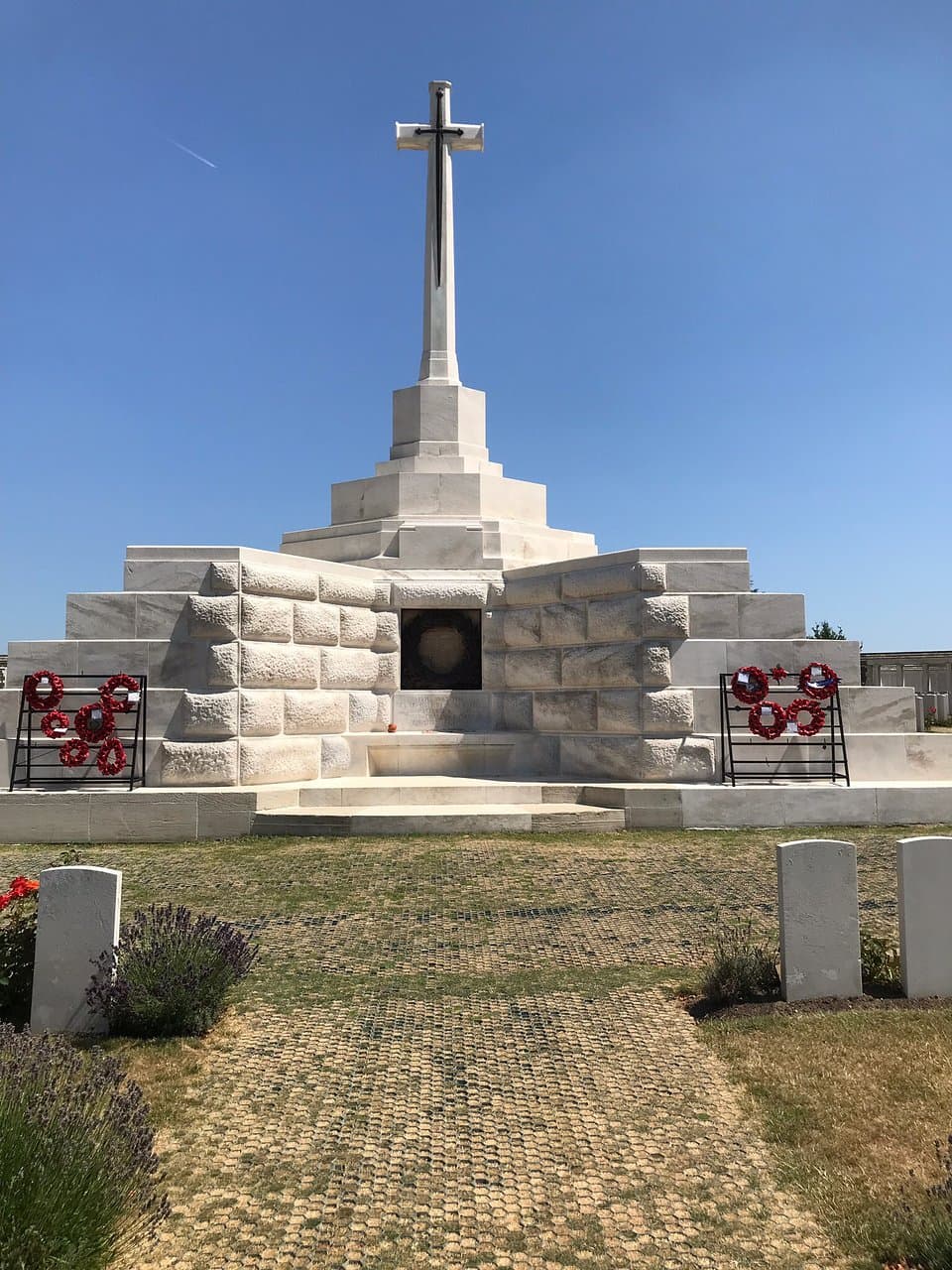
The iconic Cross of Sacrifice stands atop the former German blockhouse, a poignant symbol of remembrance.
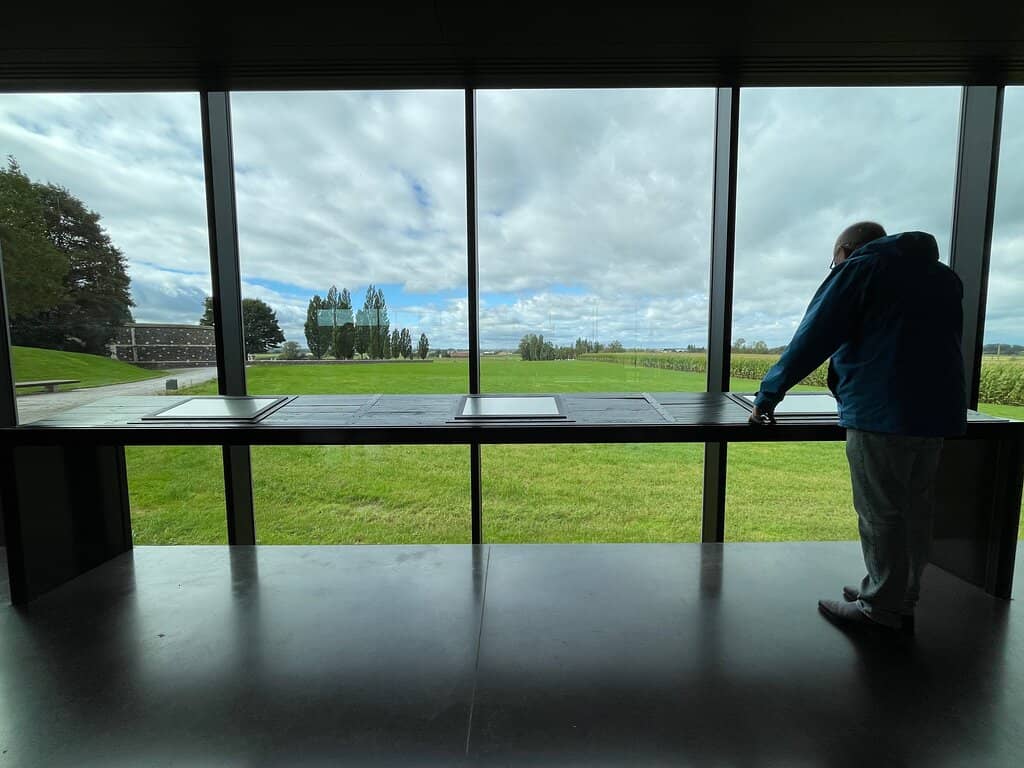
Memorial Wall
Rear of the cemetery
Lists the names of 34,887 Commonwealth soldiers with no known grave.
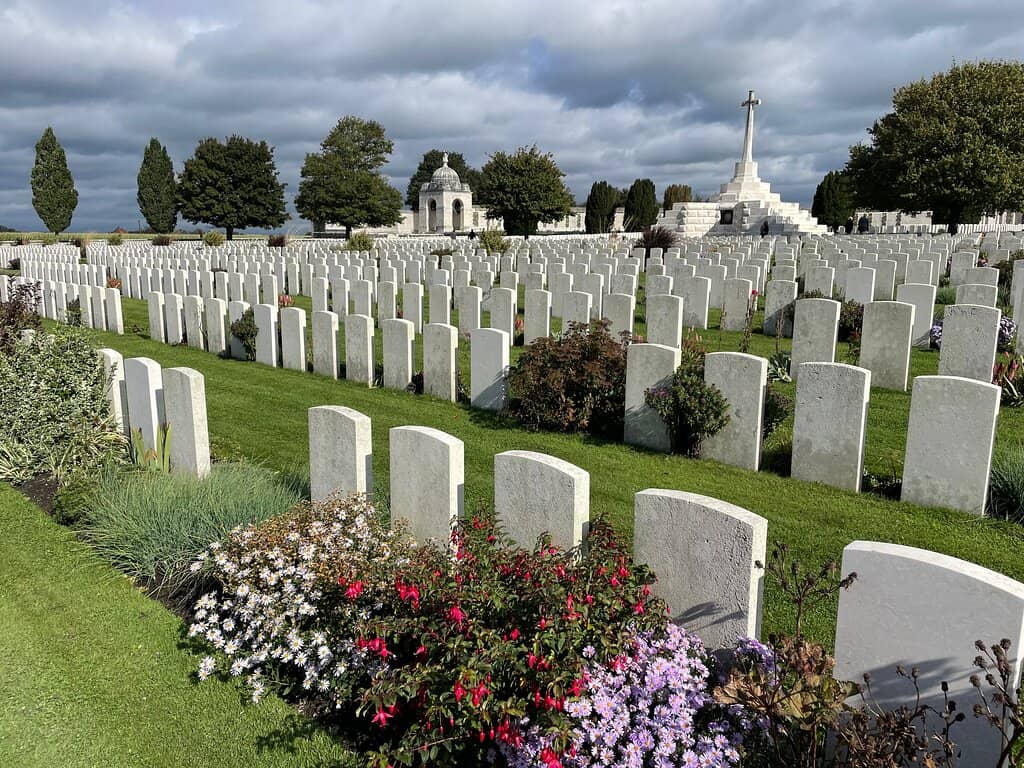
The Vast Sea of Headstones
Throughout the cemetery
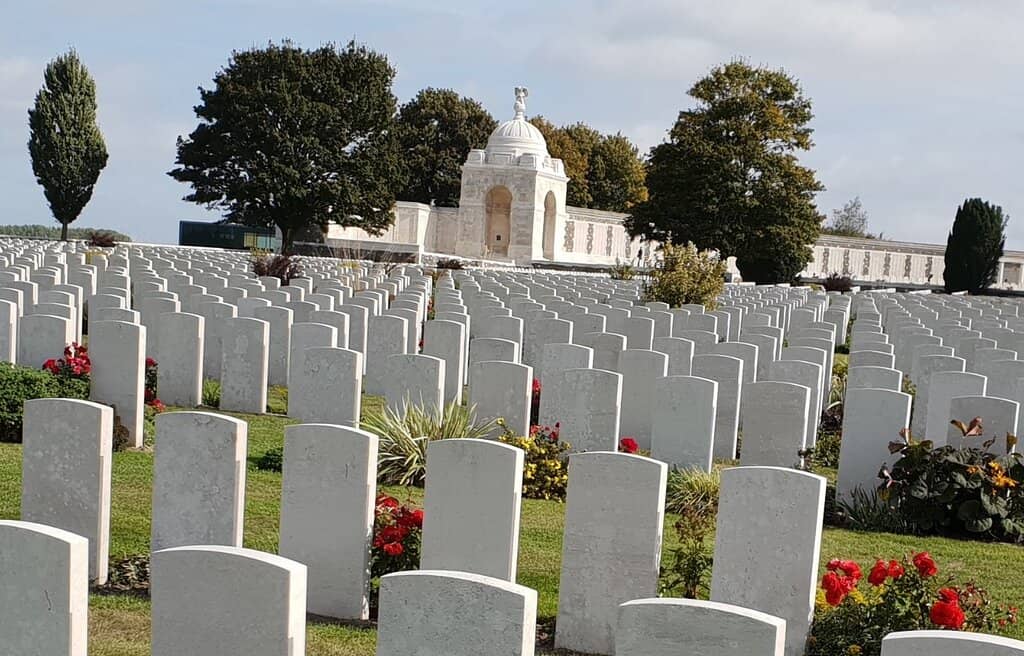
Thousands of white headstones stretch across the landscape, a powerful visual of the immense loss.
Plans like a pro.
Thinks like you
Planning Your Visit
Respectful Visitation
Visitor Center & Parking
Best Times
Insider Tips
from TikTok, Instagram & Reddit
Allocate ample time
It takes hours to see every grave. Plan for at least 1-2 hours to truly absorb the scale.
Visitor center is a must
Learn the history before you walk the grounds. Free entry and parking.
Bring tissues
The sheer scale and stories can be overwhelming and emotional.
Respectful attire
Dress modestly and maintain a quiet, respectful demeanor throughout your visit.
Tips
from all over the internet
Allocate ample time
It takes hours to see every grave. Plan for at least 1-2 hours to truly absorb the scale.
Visitor center is a must
Learn the history before you walk the grounds. Free entry and parking.
Bring tissues
The sheer scale and stories can be overwhelming and emotional.
Respectful attire
Dress modestly and maintain a quiet, respectful demeanor throughout your visit.
Look for family names
Many visitors search for relatives on the memorial wall or among the graves.
What Travellers Say
Reviews Summary
Visitors consistently praise Tyne Cot Cemetery for its immaculate upkeep and profound sense of peace, calling it the 'gold standard' for war cemeteries. The sheer scale of the 11,900+ graves and the 35,000 names on the memorial wall are deeply moving. While the emotional impact is significant, the well-maintained grounds and informative visitor center enhance the experience.
"The scale of this cemetery is staggering - it isn't just the number of graves but how many are unknown soldiers. I visited for several reasons. First is that my Great Grandfather fought in the 3rd Battle of Ypres and not only did he miraculously survived but so did the diary he kept of his experiences. I know that some of his comrades died and possibly buried here/named on the memorial wall so I wanted to pay my respects. There is also a memorial to the Sherwood Foresters, which several of my family members were part of so wanted to view this too. Finally my Great Uncle Charles, who was a Sherwood Forester, was killed in action locally but has no known grave. My research points to this being one of the two possible last resting places for him. It would take hours to view each grave, and we had limited time here, but I did spot a grave of an unknown Sherwood Forester and I would like to think that perhaps this is Charles and he guided me here. As with all Commonwealth War Cemeteries, this is beautifully maintained and is a fitting memorial to all those laid to rest here. There is a visitors centre along with free parking. Take tissues as you will have tears in your eyes. Free to visit."
Elizabeth Baker
"A remarkable cemetery of those who sacrificed their lives. Beautifully maintained by the CWWGC. Have visited several times over the years. The calling of names of those who lost their lives on the route to the very small exhibition is quite profound. The exhibition has changed over the years but worth a look. Good parking. Toilets are 0.50€."
Paul Piddock
"Tyne Cot Cemetary is the largest resting place for British and Commonwealth troops who lost their lives in WW1, especially those who fought in Passchendaele, the 3rd battle of Ypres. Its name derives from the Northumberland Fusiliers who thought the many German pill boxes looked like Tyneside workman cottages and was abbreviated to Tyne cots. My visit on 17th September 2025 was particularly poignant for me as it was on the occasion of my late father's birthday who was born in 1918 and his father, my grand-père Charles Villaret, was with the French First Army that supported the British offensive in 1917 at Passchendaele - he looked after the horses and obviously survived whereas many of his comrades and horses didn't. The cemetery, like others in Belgium, is taken great care of by the War Graves Commission and it's a special place to remember and pay tribute to the sacrifices made by British and AZTEC troops. However, it's alot to take in and probably requires more than one visit. It was busy when I went with a number of guided tours taking place."
Mimi Villaret
What People Like
What People Dislike
Frequently Asked Questions
🚇 🗺️ Getting There
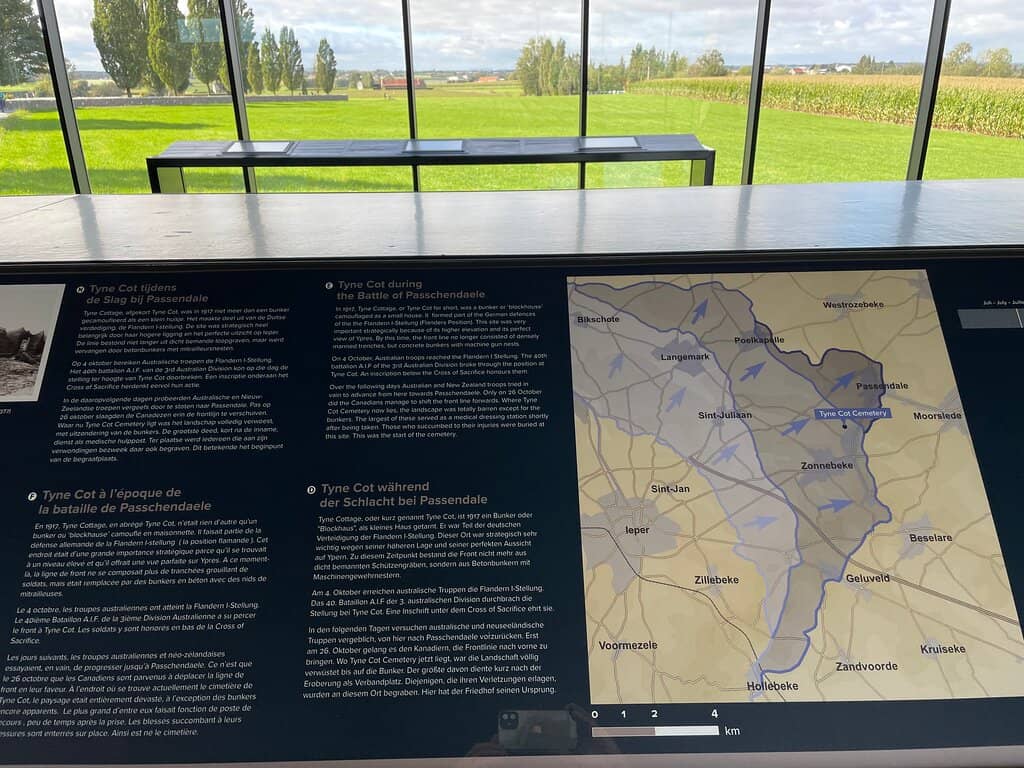
Tyne Cot Cemetery is located about 7km northeast of Ypres (Ieper). You can reach it by car, taxi, or bus. Several tour operators also include Tyne Cot as part of their WWI battlefield tours from Ypres. 
Yes, there is free parking available at Tyne Cot Cemetery, which is very convenient for visitors arriving by car.
While direct public transport might be limited, local buses can get you close to the area, and it's a popular stop on many organized WWI tours from Ypres.
Many visitors opt for guided tours from Ypres, which often include Tyne Cot Cemetery, Passchendaele, and other significant WWI sites. This provides historical context and logistical ease.
The cemetery grounds are generally accessible, with paved paths in many areas. The visitor center is also designed to be accessible.
🎫 🎫 Tickets & Entry
No, entry to Tyne Cot Cemetery is free. It is a war cemetery maintained by the Commonwealth War Graves Commission.
The cemetery grounds are generally accessible from dawn until dusk. The visitor center has specific opening hours, typically during daylight hours.
The visitor center at Tyne Cot Cemetery is free to enter, offering valuable information and exhibits about the site.
While the cemetery itself is accessible during daylight hours, it's advisable to check the visitor center's hours if you wish to utilize its facilities and exhibits.
Visitors are expected to behave respectfully. Loud noise or disruptive behavior is not permitted due to the solemn nature of the site.
🎫 🧭 Onsite Experience
To truly appreciate the scale and significance, plan for at least 1-2 hours. This allows time for the visitor center and walking through the cemetery.
It is the largest Commonwealth war cemetery in the world, commemorating over 11,900 soldiers from WWI, many of whom are unknown.
The visitor center provides historical context, maps, and information about the Battle of Passchendaele and the soldiers buried or commemorated here.
While not always on-site, many WWI battlefield tours from Ypres include Tyne Cot Cemetery and offer expert historical commentary.
You can search for specific soldiers buried at Tyne Cot or listed on the memorial wall. The visitor center may have resources to assist with this.
📸 📸 Photography
Yes, photography is generally allowed, but always be mindful and respectful of the solemn nature of the site. Avoid intrusive photography.
Early morning or late afternoon often provide softer light, creating a more atmospheric and respectful photographic experience.
The vast rows of headstones, the Cross of Sacrifice, and the memorial wall are iconic photographic subjects. 'Then and Now' comparisons are also popular.
Many photos focus on the scale of the cemetery, individual headstones, the memorial inscriptions, and the peaceful yet somber atmosphere.
It's best to avoid using flash photography out of respect for the site and other visitors. Natural light is usually sufficient.
For Different Travelers
Tailored advice for your travel style
👨👩👧 Families with Kids
+1Encourage children to look for specific details, like the names on the memorial wall or the different regiments. The open space allows for respectful movement, and the well-maintained grounds are safe to navigate. It's an opportunity to teach about history, sacrifice, and the importance of peace in a tangible way. Remember to prepare them for the emotional nature of the site and encourage respectful behavior throughout the visit.
📚 History Enthusiasts & Students
+1Consider booking a guided tour that includes Tyne Cot to gain deeper insights from expert historians. The 'Then & Now' comparisons, often seen in social media posts, highlight the dramatic transformation of the landscape and underscore the scale of destruction.
+1 Researching specific regiments or individuals beforehand can also enrich the experience, allowing for a more personal connection to the history. Deep Dives
In-depth insights and expert knowledge
The History of Tyne Cot
+1The sheer scale of Tyne Cot is a stark reminder of the immense human cost of the First World War. It is the largest Commonwealth war cemetery in the world, housing 11,961 burials, with over 8,300 of these being unidentified soldiers, marked only with 'Known unto God'. The Tyne Cot Memorial, located at the rear of the cemetery, commemorates 34,887 missing Allied soldiers who have no known grave.
+1Today, the cemetery is meticulously maintained by the Commonwealth War Graves Commission (CWGC), ensuring that the sacrifices made are never forgotten. It serves as a vital pilgrimage site for families, historians, and anyone seeking to understand the profound impact of the Great War. The peaceful, rolling landscape belies the intense fighting that once took place here, making it a place of both sorrow and reflection.
Understanding the Memorials
Behind the Cross of Sacrifice is the Tyne Cot Memorial, a vast stone structure bearing the names of the 34,887 Commonwealth servicemen who fell in the Ypres Salient and whose graves are unknown. This memorial is a crucial part of the cemetery, offering a place to remember those whose final resting places could not be identified.
Beyond these central monuments, the cemetery itself is a memorial. Each of the 11,961 headstones represents an individual life lost. Visitors often spend time searching for specific names on the memorial wall or looking for headstones of soldiers from particular regiments, such as the Sherwood Foresters, which has a dedicated section.

Social
from TikTok, Instagram & Reddit