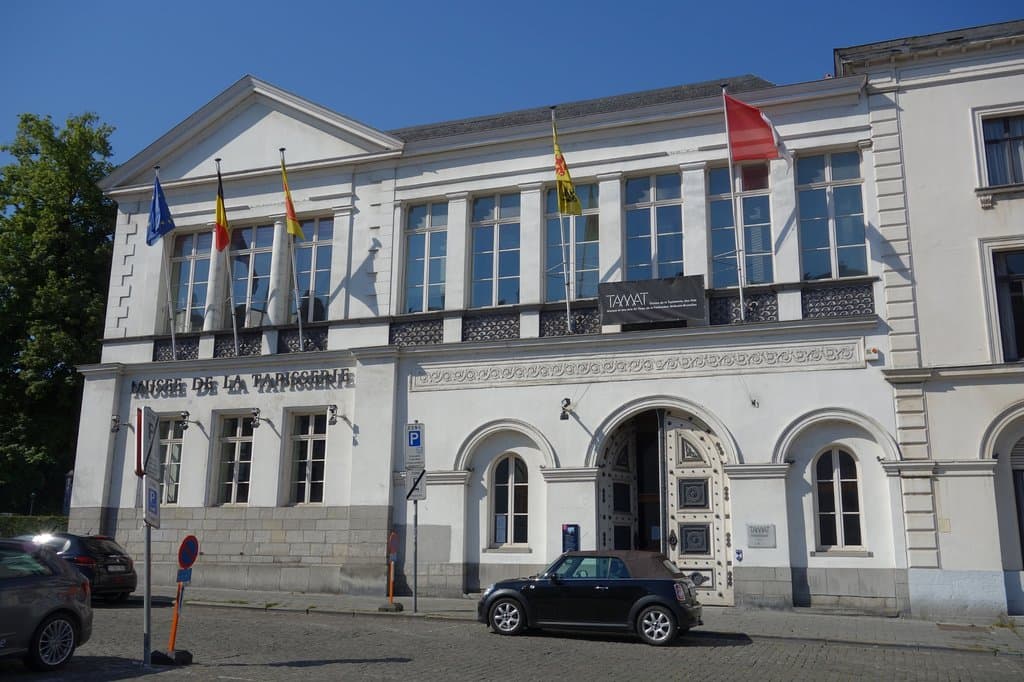
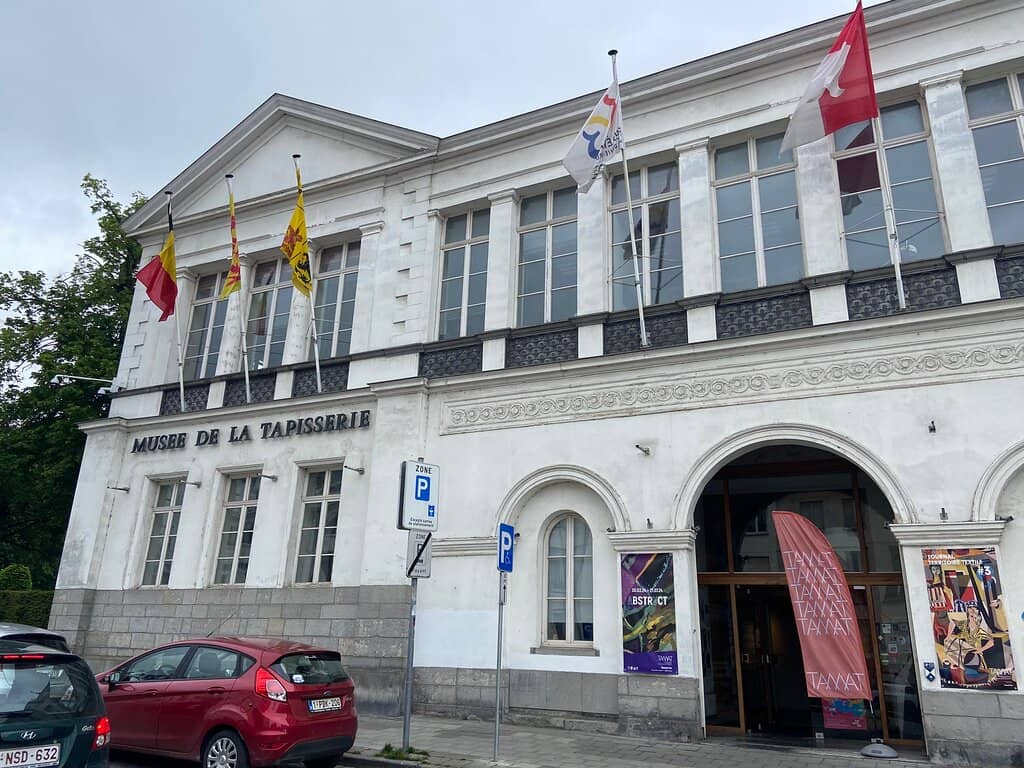
TAMAT Tapestry Museum
Discover exquisite antique and contemporary tapestries, a unique textile art museum in Tournai.
Highlights
Must-see attractions

Social
From TikTok & Reddit
Best Time
Fewer crowds, more peaceful viewing
TAMAT Tapestry Museum
Best Time
Fewer crowds, more peaceful viewing
Highlights
Must-see attractions
Discover exquisite antique and contemporary tapestries, a unique textile art museum in Tournai.
"Admire the collection of 15th and 16th century's tapestries; the stories told through these masterpieces are detailed."

Bring a Translation App
Most info is in French/Dutch. An app helps unlock the stories behind the art. :iphone:
Focus on Visuals
Appreciate the intricate details and craftsmanship, even without full text comprehension. :art:
Highlights
Discover the most iconic attractions and experiences
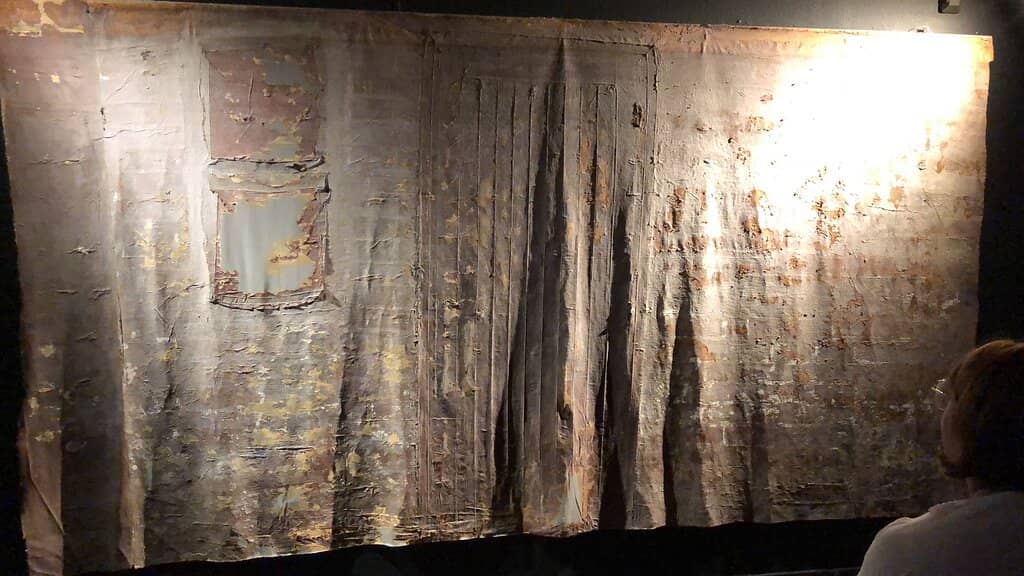
15th & 16th Century Tapestries
Main exhibition halls
Admire exquisite, remarkably preserved antique tapestries that narrate Wallonia's history.
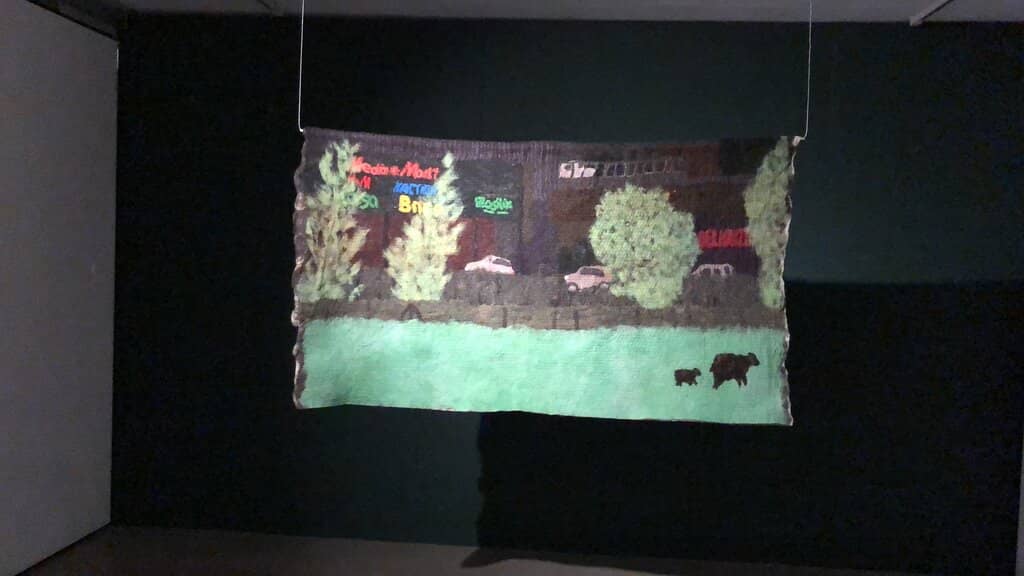
Contemporary Textile Art
Modern exhibition spaces
Explore modern interpretations of tapestry and textile art, showcasing diverse artistic styles.
Plans like a pro.
Thinks like you
Planning Your Visit
Language Barrier Alert
Manage Expectations: Art vs. History
Best Times
Insider Tips
from TikTok, Instagram & Reddit
Bring a Translation App
Most info is in French/Dutch. An app helps unlock the stories behind the art. :iphone:
Focus on Visuals
Appreciate the intricate details and craftsmanship, even without full text comprehension. :art:
Quick Visit Possible
The museum is small, perfect for a 30-60 minute visit if time is limited. :clock:
Check for Special Exhibitions
The museum often features contemporary artists alongside its permanent collection. :sparkles:
Tips
from all over the internet
Bring a Translation App
Most info is in French/Dutch. An app helps unlock the stories behind the art. :iphone:
Focus on Visuals
Appreciate the intricate details and craftsmanship, even without full text comprehension. :art:
Quick Visit Possible
The museum is small, perfect for a 30-60 minute visit if time is limited. :clock:
Check for Special Exhibitions
The museum often features contemporary artists alongside its permanent collection. :sparkles:
What Travellers Say
Reviews Summary
Visitors appreciate the exquisite antique tapestries and the unique focus on textile art, finding the historical pieces particularly well-preserved and narrative. However, many note the significant lack of English information, which can detract from the experience for non-French/Dutch speakers. The museum's small size means a quick visit is possible, but some desire more detailed explanations.
"Small museum with exquisite samples of old and modern tapestries. I stayed an hour just to admire the collection of 15th and 16th century's tapestries. The stories told through these masterpieces are detailed in available info-sheets."
Nikos Parastatidis
"This is a small museum dedicated to tapestries. From the plaque at the entrance to the museum, I was expecting exhibitions about tapestries in Tournai. It is, sort of. The museum exhibits a mixture of ancient and contemporary tapestries, plus some contemporary art. The three pretty much in equal parts. I was a little disappointed in that respect because it was more art than history. The antique tapestries were fantastic and tells the sometimes violent history of Wallonia, and were in remarkably good condition. The contemporary tapestries consisted mainly of an Marie Thumette Bruchard exhibition. Nice, but the themes were little too abstract for my personal tastes.
There's very little information or description and virtually no English. I enjoyed the visit for the exhibits though. The museum was small enough to get through in 30 minutes, so the negatives were less of a hindrance. Had there been more information, of have given this museum an extra star."
macedonboy
"Not what I expected, very few tapestries on show, about 15. All documents in French or Dutch. I wanted to see examples of old works and details about how they were made. Entry 6 euros, concessions 5 euros."
Alan C (AlanC-LAUK)
What People Like
What People Dislike
Frequently Asked Questions
🚇 🗺️ Getting There
The museum is located in Tournai, Belgium. Public transport options within the city are generally good, with local buses serving the area. Check local transit schedules for the most convenient routes. Parking may be available nearby, but it's advisable to check for specific parking regulations and availability.
Yes, TAMAT Tapestry Museum is typically accessible by public transport within Tournai. Local bus routes often stop within walking distance of the museum. It's recommended to consult the Tournai public transport website for up-to-date route information and schedules.
From Brussels, you can take a train to Tournai. The train journey usually takes around 1 hour to 1 hour 30 minutes. Once you arrive at Tournai station, you can either take a local bus or a taxi to reach the museum, or enjoy a walk if you prefer.
🎫 🎫 Tickets & Entry
Opening hours can vary, so it's best to check the official TAMAT Tapestry Museum website or their social media pages for the most current information. Generally, museums of this type are open during daytime hours, often closed on Mondays.
Admission fees are typically around €6 for adults, with concessions available for students, seniors, or groups. It's always a good idea to verify the exact prices on their official website before your visit.
While some museums offer online ticket purchasing, it's not always standard for smaller institutions. Check the official TAMAT Tapestry Museum website to see if advance booking is an option. If not, tickets can usually be purchased at the museum's entrance.
Yes, concessions are usually available for students, seniors, and sometimes for groups. Check the museum's official website or inquire at the ticket desk for specific eligibility and pricing.
🎫 🧭 Onsite Experience
Most visitors find that 30 minutes to an hour is sufficient to explore the museum, given its size. If you're particularly interested in textile art or want to spend more time with the contemporary pieces, you might extend your visit.
Unfortunately, information and descriptions are primarily in French and Dutch, with very little available in English. Visitors who don't speak these languages may need to rely on visual interpretation or a translation app.
TAMAT features a mix of antique tapestries from the 15th and 16th centuries, which often depict historical events, alongside contemporary textile art and modern tapestries.
While children can appreciate the colors and patterns, the lack of English information and the focus on historical or abstract art might make it less engaging for very young children. Older children interested in art or history might find it more captivating.
Information on guided tours, especially in English, is often limited. It's best to check the museum's official website or contact them directly to inquire about tour availability and languages offered.
📸 📸 Photography
Photography policies can vary. Generally, non-flash photography for personal use is often permitted, but it's crucial to look for signage within the museum or ask staff. Flash photography is usually prohibited to protect the delicate textiles. :camerawithflash:
Special exhibitions or particularly fragile pieces might have restrictions on photography. Always be observant of any posted signs or instructions from museum staff to ensure you're following the rules. :noentrysign:
The antique tapestries, with their rich detail and historical narratives, offer excellent photographic opportunities. The contemporary art pieces can also provide striking visual compositions. Focus on capturing the texture and scale of the works. :iphone:
For Different Travelers
Tailored advice for your travel style
👨👩👧 Families with Kids
However, for older children or teenagers interested in art, history, or crafts, the museum could be quite engaging. The sheer scale and detail of the antique tapestries can be impressive, and the contemporary art might spark discussions about different artistic styles. If you do visit with children, consider using a translation app to make the experience more interactive and educational. Focusing on the visual storytelling and the 'how it's made' aspect might be more effective than delving into complex historical details. :family_ww:
💰 Budget Travelers
While the lack of English information might be a drawback, it also means you can potentially experience the museum more quickly, saving time for other attractions. For budget-conscious travelers, it's a worthwhile stop to appreciate unique historical and artistic artifacts without a significant financial outlay. Remember to factor in potential costs for public transport to reach the museum. :moneybag:
Deep Dives
In-depth insights and expert knowledge
The Art of Tapestry: History and Craft
In contrast, the museum also features contemporary textile art. This section highlights how artists continue to push the boundaries of tapestry, experimenting with new materials, abstract designs, and conceptual themes. While some visitors find these modern pieces more abstract or less historically grounded, they offer a fascinating glimpse into the ongoing relevance and adaptability of textile art. The juxtaposition of old and new provides a comprehensive perspective on the craft.
Understanding the context behind each piece can greatly enhance the visitor experience. While the museum's information is primarily in French and Dutch, visitors are encouraged to use translation apps or focus on the visual storytelling inherent in the tapestries themselves. The sheer skill and artistry involved in both historical and modern works are undeniable and a testament to the enduring power of textile art.
Navigating the Museum: Tips for Visitors
To make the most of your visit, it's highly recommended to download a translation app on your smartphone before you go. This will allow you to scan text and get instant translations, unlocking the stories and historical context behind the tapestries. Alternatively, if language is a major concern and you prefer not to rely on apps, focus on the visual aspects of the tapestries. Admire the intricate patterns, the vibrant colors, and the sheer craftsmanship involved in their creation.
Despite the language limitations, the museum offers a unique opportunity to appreciate both historical and contemporary textile art. The antique tapestries are a definite highlight, offering a tangible connection to the past. For those interested in modern art, the contemporary pieces provide a different, yet equally engaging, perspective on the medium. Plan for a focused visit, and you're likely to leave with a newfound appreciation for the art of tapestry.
Social
from TikTok, Instagram & Reddit