Khadimnagar National Park
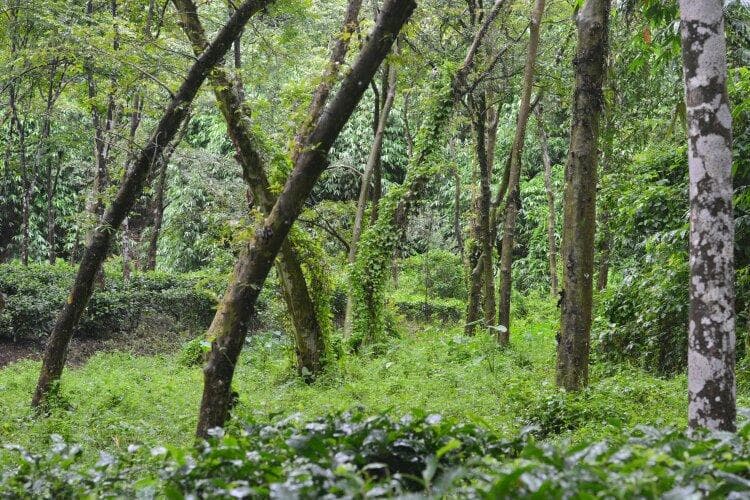
A serene national park in Sylhet, Bangladesh, boasting lush forests, picturesque tea gardens, and unique ethnic communities. Ideal for nature lovers a...
Highlights
Must-see attractions

Social
From TikTok & Reddit
Best Time
Pleasant, humid, and lukewarm climate
Khadimnagar National Park
Best Time
Pleasant, humid, and lukewarm climate
Highlights
Must-see attractions
A serene national park in Sylhet, Bangladesh, boasting lush forests, picturesque tea gardens, and unique ethnic communities. Ideal for nature lovers and trekkers.
"A great and fascinating location, full of nature and Greenland."
Go with a Local Guide
Essential for navigating the deep jungle safely and discovering hidden gems.
Pack Mosquito Repellent
Wild mosquitoes are common; an effective repellent is a must for comfort.
Highlights
Discover the most iconic attractions and experiences
Lush Mixed Evergreen Forests
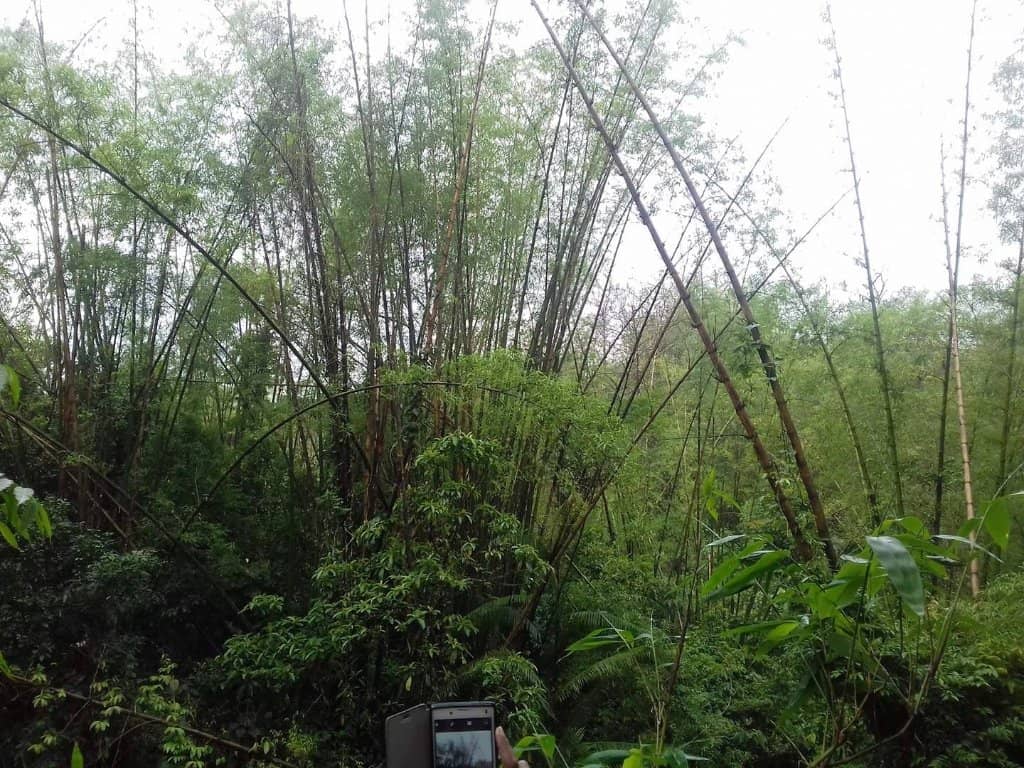
Explore vast expanses of natural beauty, where plantations are actively restoring the forest ecosystem. A true green paradise.
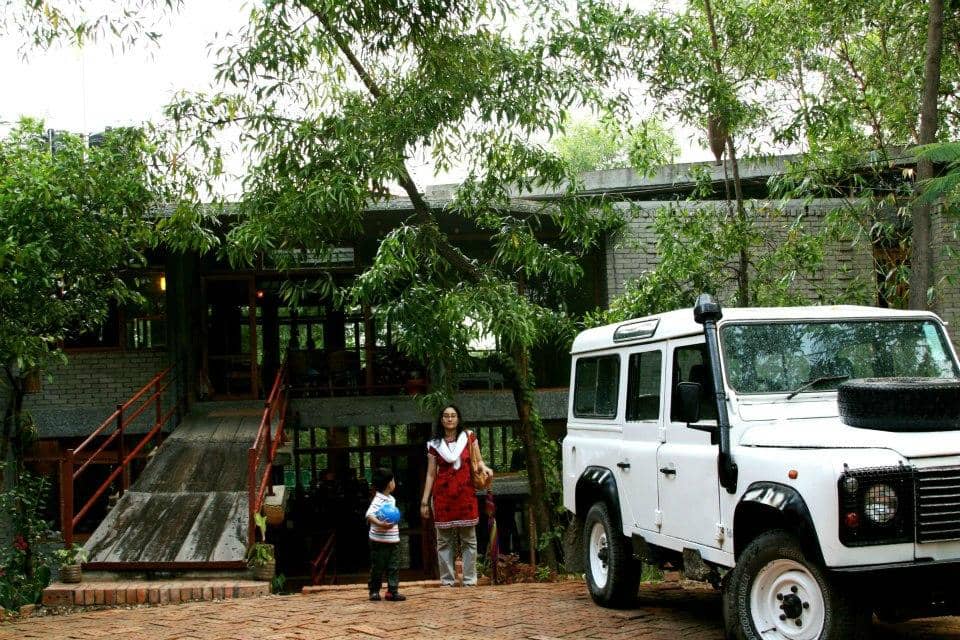
Charming Tea Gardens
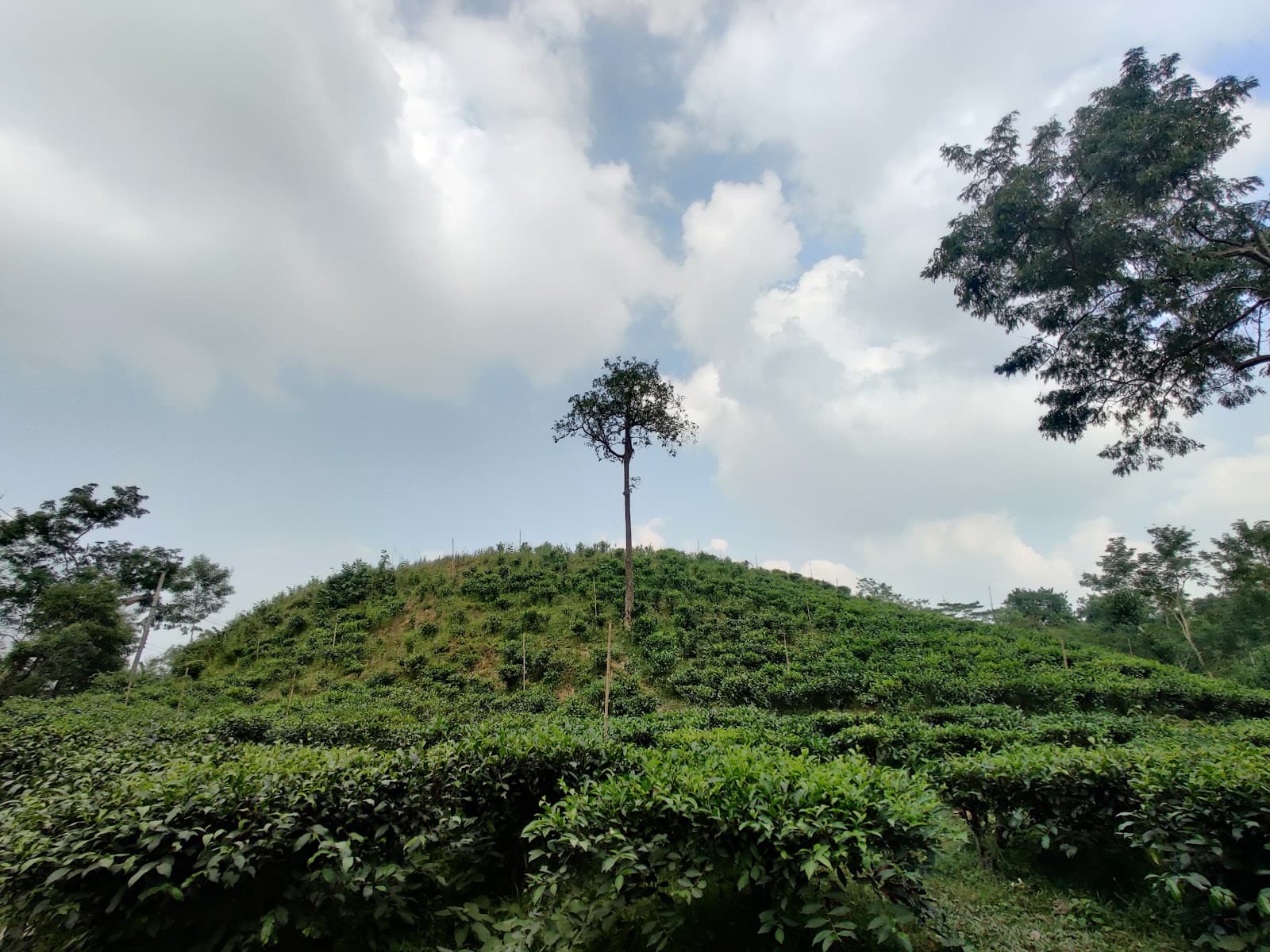
The park is beautifully bordered by six serene tea gardens, offering picturesque views and a glimpse into local agriculture.
Unique Ethnic Communities
Encounter the Laleng (Patra) ethnic community, traditionally connected to the forest, offering a unique cultural perspective.
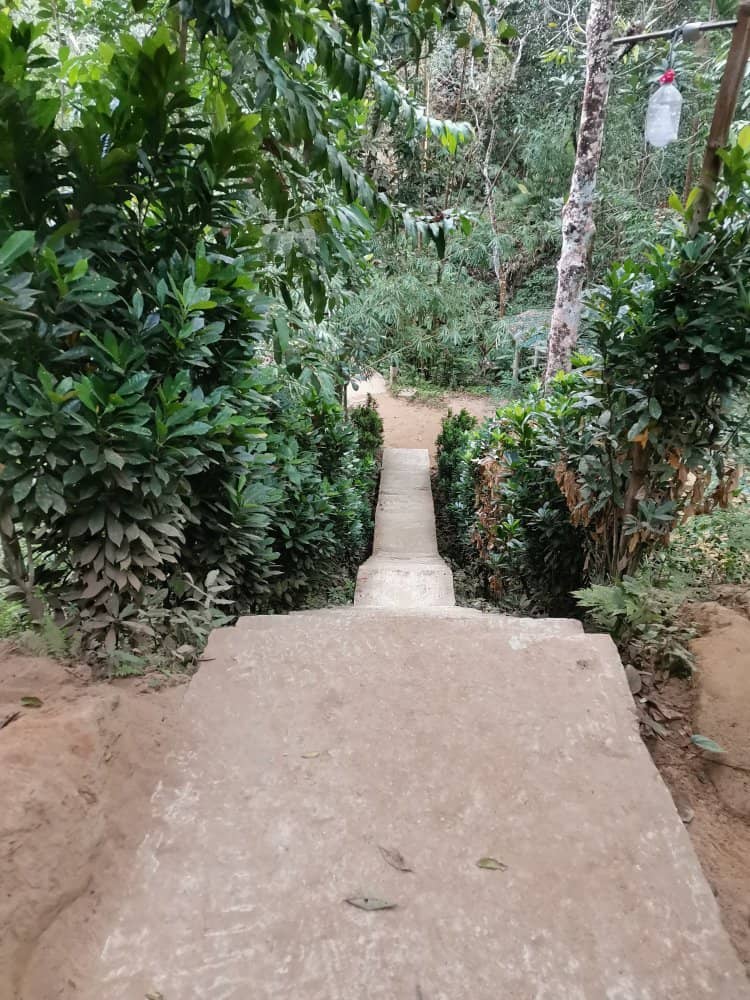
Attractive Hiking Trails
Discover various trails winding through the park, perfect for trekkers and nature enthusiasts seeking adventure.
Plans like a pro.
Thinks like you
Planning Your Visit
Embrace the Wild, Safely
Best Time for Lush Greenery
Best Times
Insider Tips
from TikTok, Instagram & Reddit
Go with a Local Guide
Essential for navigating the deep jungle safely and discovering hidden gems.
Pack Mosquito Repellent
Wild mosquitoes are common; an effective repellent is a must for comfort.
Stay Hydrated
Carry plenty of drinking water, especially during longer treks.
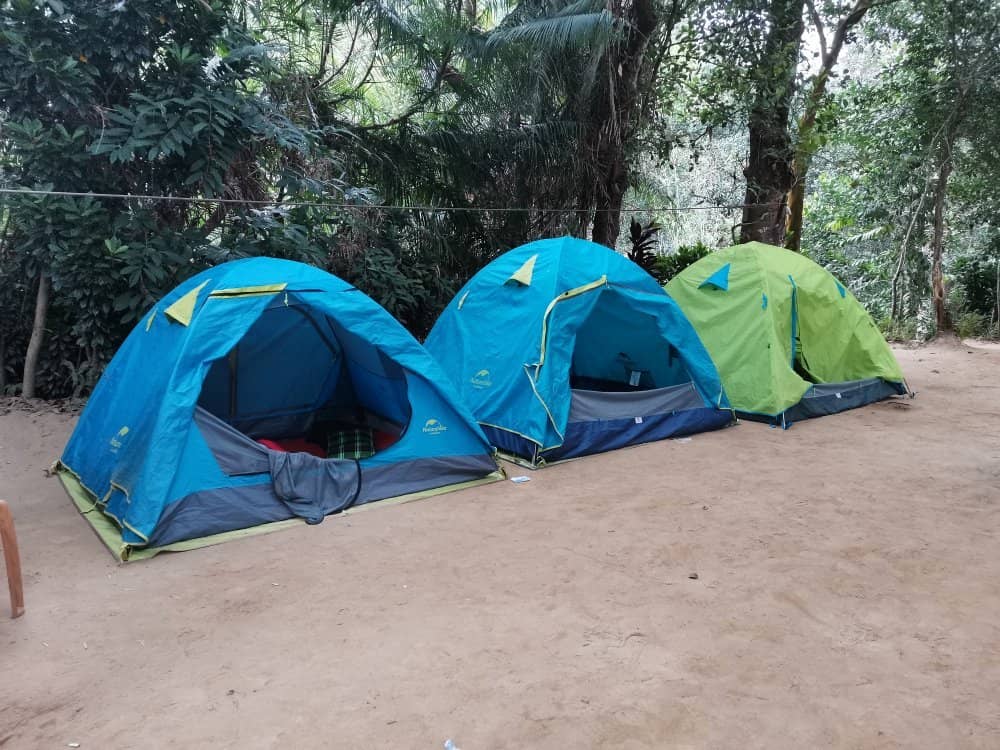
Book Camping in Advance
If you plan to camp overnight, ensure you book your tent and arrangements beforehand.
Tips
from all over the internet
Go with a Local Guide
Essential for navigating the deep jungle safely and discovering hidden gems.
Pack Mosquito Repellent
Wild mosquitoes are common; an effective repellent is a must for comfort.
Stay Hydrated
Carry plenty of drinking water, especially during longer treks.
Book Camping in Advance
If you plan to camp overnight, ensure you book your tent and arrangements beforehand.
Respect Local Culture
Be mindful of the ethnic communities and their traditions.
What Travellers Say
Reviews Summary
Khadimnagar National Park is praised for its abundant natural beauty, lush forests, and picturesque tea gardens, offering a refreshing escape into nature. Visitors appreciate the opportunity for trekking and experiencing the unique local culture. However, some express concerns about safety due to its remote location and sparse crowds, especially for solo female travelers.
"A national park of Bangladesh. Good for camping and trekkie. You can find here some attractive trails, innocent animals. There are also some little mountain and ethnic minority people of tea garden."
Musa Jewel
"It's a great and fascinating location. However, it is so deep into the jungle. I'm not sure girls are safe. There aren't enough people. Even men will feel unsafe in the forest by themselves."
Tamim Chowdhury
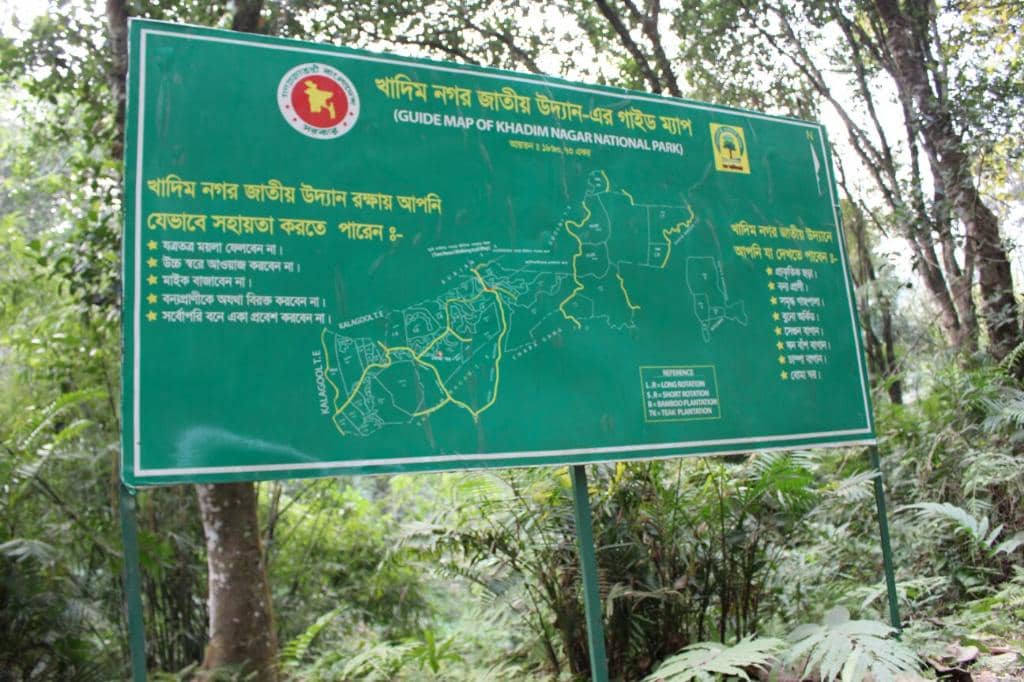
"Declared as a National Park in October 2009, Khadimnagar National Park encompasses 678.80 hectares of hilly land. It is located about 15 km from Sylhet city in Khadimnagar Union of Sylhet Sadar Upazila. Khadimnagar is surrounded by six tea gardens.
About three quarters of the Park is planted mixed evergreen forest, and the rest is degraded hills with grasses. The plantations of the park are gradually restoring forest. The National Park is naturally protected by tea gardens on three sides and on the other side is Sylhet cantonment. Unlike many other forests in Bangladesh, the tree cover in Khadimnagar has increased in recent decades. Once largely bamboo jungle, in the early 1960s the Forest Department planted trees such as Teak (Tectona grandis), Champa (Michelia champaca), Mahogoni (Swietenia mahagoni), Jarul (Lagerstroemia speciosa), Arjun (Terminalia arjuna), and Amloki (Emblica officinalis). A diversity of commoner forest wildlife is present, including globally threatened Capped Langur and a population of nationally scarce Kalij Pheasant.
Inside and adjacent to the National Park lives a Laleng ethnic community known to outsiders as Patra, derived from the Bangla pathor or pator meaning stone (laleng means stone in the community’s own language). Like many ethnic communities they traditionally depend on forest, but this has costs – for example they traditionally cut trees to make charcoal. The CMC works with this and neighboring communities to change their fuel use to sustainable sources and more efficient stoves."
Shahriar Hasan Sourav
What People Like
What People Dislike
Frequently Asked Questions
🚇 🗺️ Getting There
Khadimnagar National Park is located about 15 km from Sylhet city. You can hire a taxi or a local CNG auto-rickshaw to reach the park. The journey typically takes around 30-45 minutes depending on traffic.
While direct public transport might be limited, local buses or shared taxis heading towards the general area of Khadimnagar can be an option, followed by a short ride from a local stop. It's often easier and more direct to arrange private transport.
The main entrance is usually accessible by road. If you're using a navigation app, search for 'Khadimnagar National Park entrance'. Hiring a local guide can also help with seamless navigation.
The park is surrounded by six tea gardens, which can serve as good landmarks. The Sylhet cantonment is also on one side of the park.
Yes, you can usually arrange for your hired taxi or auto-rickshaw to wait for you or arrange a return trip. It's advisable to confirm this when you hire your transport.
🎫 🎫 Tickets & Entry
Information on specific entry fees can vary. It's best to inquire locally upon arrival or check with local tourism authorities for the most current rates.
The park is generally open during daylight hours. For specific timings, especially if planning an early morning or late afternoon visit, it's recommended to check locally.
Advance booking is typically not required for general entry, but if you plan to use facilities like camping or the restaurant, booking ahead is advised.
Visitors are expected to respect the natural environment. Large groups might need to inform park authorities. Solo female travelers should be aware of the park's remote nature.
While not explicitly stated, it's always good practice to inquire about any specific permits or fees for professional photography or extensive videography at the park entrance.
🎫 🌿 Onsite Experience
The park is home to diverse wildlife, including the globally threatened Capped Langur and the nationally scarce Kalij Pheasant. You might also encounter other common forest animals.
Hiring a local guide is highly recommended for exploring the park safely and learning about its flora and fauna. They can lead you on attractive trails and point out interesting sights.
Activities include trekking, camping, nature walks, and enjoying the scenic beauty. There are also some games available for children and teens.
Some visitors have expressed concerns about safety due to the park's remote location and sparse crowds. It's advisable for solo female travelers to go with a guide or a group.
Wear comfortable walking shoes or hiking boots, light clothing suitable for a tropical climate, and consider bringing a hat and sunscreen.
🍽️ 🍽️ Food & Dining
Yes, there is a restaurant within the park. However, it's recommended to order in advance, especially if you plan to dine during peak hours.
The restaurant typically serves local Bangladeshi cuisine. It's a convenient option for visitors who don't want to pack their own meals.
Bringing your own food for a picnic is generally allowed. Ensure you clean up after yourself and dispose of waste properly to maintain the park's cleanliness.
You might find some local food vendors on the outskirts of the park or in nearby villages, offering snacks and local delicacies.
It's advisable to inquire about specific dietary options when ordering. Local cuisine often features vegetable-based dishes, but availability can vary.
📸 📸 Photography
The lush forests, scenic tea gardens, and diverse wildlife offer numerous picturesque opportunities. Early mornings and late afternoons provide the best natural light. +1
While the scenery is captivating, be mindful of your surroundings, especially in more remote areas. Going with a guide can enhance your photography experience and safety.
Drone usage regulations can be strict in protected areas. It's essential to check with park authorities or local aviation rules before flying a drone.
A versatile lens (like a 24-70mm) is good for landscapes and general shots. A telephoto lens can be useful for wildlife, and a wide-angle lens for expansive forest views.
Always ask for permission before photographing people, especially members of ethnic communities. Respect their privacy and cultural norms.
For Different Travelers
Tailored advice for your travel style
👨👩👧 Families with Kids
Packing plenty of snacks and water is essential, as dining options might be limited or require advance ordering. The restaurant on-site can be a convenient option for a meal. Ensure children are supervised at all times, especially near any water bodies or in denser forest areas.
🎒 Budget Travelers
Packing your own food and water is a great way to cut down on expenses, as restaurant meals can add up. Camping is also a cost-effective accommodation option if available and booked in advance. Focus on enjoying the natural beauty, which is free to experience, rather than relying on paid activities.
📸 Photography Enthusiasts
Consider bringing a versatile lens for capturing both wide vistas and detailed shots. A telephoto lens can be useful for wildlife photography, but remember to maintain a respectful distance. Always seek permission before photographing local people. Hiring a guide can also lead you to the most photogenic spots.
Deep Dives
In-depth insights and expert knowledge
Exploring the Natural Beauty
Wildlife enthusiasts can spot globally threatened species like the Capped Langur and the nationally scarce Kalij Pheasant. The park's environment is carefully managed to support these creatures. The surrounding tea gardens add to the scenic beauty, providing a unique juxtaposition of cultivated landscapes with wild nature.
For those seeking an immersive experience, camping is an option, though it requires advance booking. The park's natural setting makes it an ideal spot for those looking to disconnect and enjoy the tranquility of the outdoors. Remember to carry essentials like mosquito repellent and drinking water to ensure a comfortable visit.
Cultural Encounters and Local Life
Efforts are underway to promote sustainable practices among these communities, such as transitioning to cleaner fuel sources and more efficient stoves. Visitors may have the opportunity to learn about their unique way of life and traditions, offering a glimpse into the diverse cultural tapestry of the region. It's important to approach these interactions with respect and sensitivity.
The park's proximity to tea gardens also highlights the agricultural heritage of the Sylhet region. These gardens are not only visually appealing but also represent a significant part of the local economy and culture.
Safety and Preparedness
To ensure a safe and enjoyable experience, it is highly recommended to hire a local guide. Guides are invaluable for navigating the terrain, understanding the local environment, and ensuring your well-being. They can also provide insights into the park's flora and fauna that you might otherwise miss.
Essential items to pack include mosquito repellent to ward off insects and ample drinking water. Comfortable footwear suitable for trekking is also crucial. Planning your visit during the cooler, less humid months (November to February) will enhance your comfort and overall experience.


Social
from TikTok, Instagram & Reddit