
Baraiyadhala National Park
Bardiya National Park: Nepal's untamed wilderness, famed for Bengal tigers and rhinos. Experience raw nature and thrilling safaris.
Highlights
Must-see attractions

Social
From TikTok & Reddit
Best Time
Dry season, best for sightings
Baraiyadhala National Park
Best Time
Dry season, best for sightings
Highlights
Must-see attractions
Bardiya National Park: Nepal's untamed wilderness, famed for Bengal tigers and rhinos. Experience raw nature and thrilling safaris.
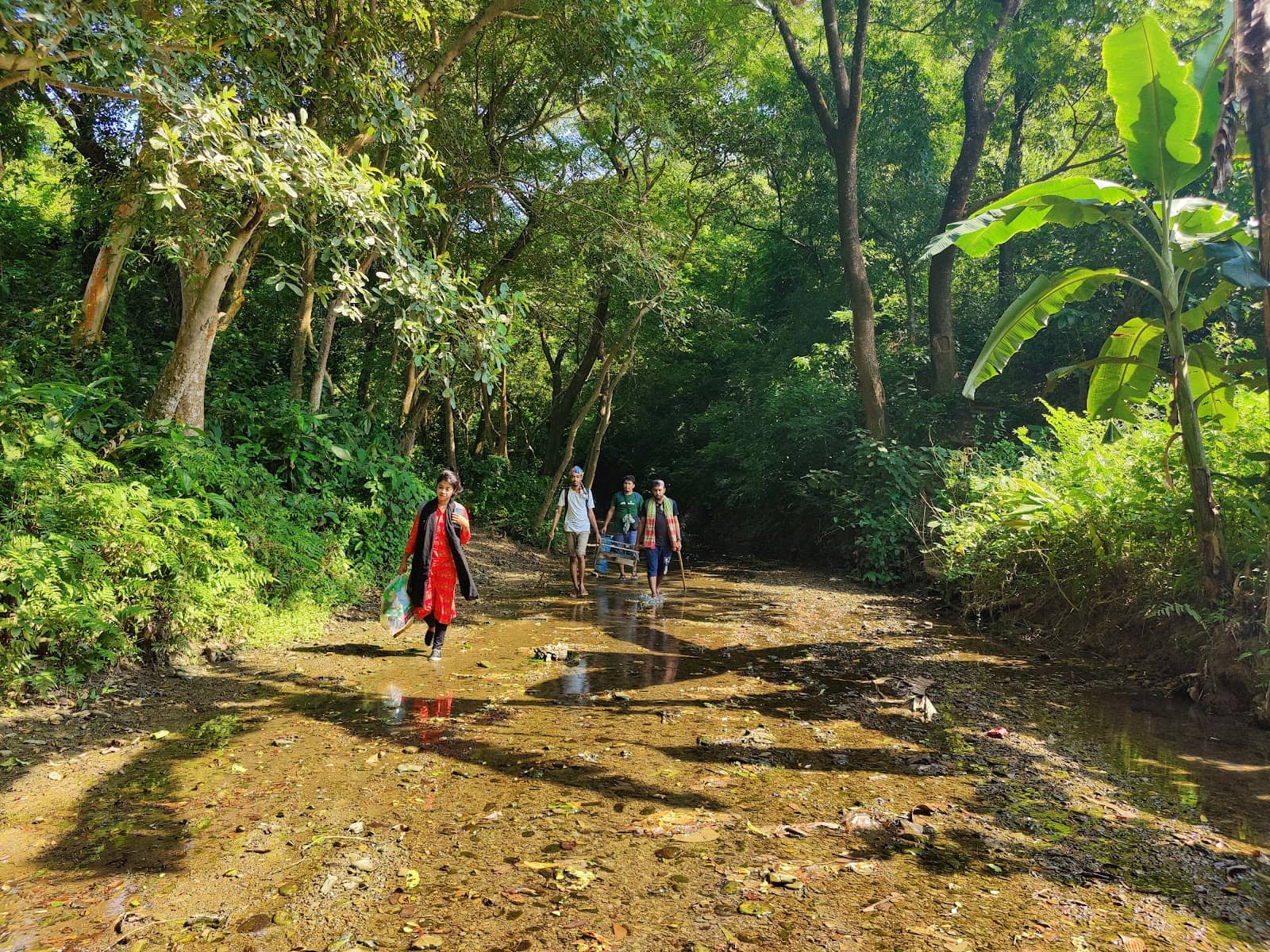
"Naturally beautiful and a lovable place for wildlife encounters."
Book Safaris Early
Jeep and walking safaris are popular. Book in advance, especially during peak season, to secure your spot.
Pack Light & Smart
Bring breathable clothing, a hat, sunscreen, and insect repellent. Comfortable walking shoes are a must.

Highlights
Discover the most iconic attractions and experiences
Tiger Spotting
Throughout the park
The elusive Bengal tiger is Bardiya's star attraction. Early morning or late afternoon safaris offer the best chances for a sighting.
Rhino Encounters
Grasslands and riverbanks
Spot the Greater One-Horned Rhinoceros grazing peacefully in their natural habitat.
Babai River Safari
Babai River
Experience the tranquility of a boat safari on the Babai River, spotting diverse birdlife and potentially crocodiles.
Blackbuck Sanctuary
Khairpur
Visit the protected area for the endangered Blackbuck, a beautiful antelope species.
Plans like a pro.
Thinks like you
Planning Your Visit
Embrace the Wild: Plan Your Bardiya Adventure
Respect Nature, Minimize Impact
Best Times
Insider Tips
from TikTok, Instagram & Reddit
Book Safaris Early
Jeep and walking safaris are popular. Book in advance, especially during peak season, to secure your spot.
Pack Light & Smart
Bring breathable clothing, a hat, sunscreen, and insect repellent. Comfortable walking shoes are a must.
Stay Hydrated
Carry plenty of water, especially during safaris. Some lodges offer filtered water refills.
Respect Wildlife
Maintain a safe distance from animals and avoid feeding them. Listen to your guide's instructions.
Tips
from all over the internet
Book Safaris Early
Jeep and walking safaris are popular. Book in advance, especially during peak season, to secure your spot.
Pack Light & Smart
Bring breathable clothing, a hat, sunscreen, and insect repellent. Comfortable walking shoes are a must.
Stay Hydrated
Carry plenty of water, especially during safaris. Some lodges offer filtered water refills.
Respect Wildlife
Maintain a safe distance from animals and avoid feeding them. Listen to your guide's instructions.
Consider Eco-Lodges
Many lodges near Bardiya focus on sustainability and offer a more authentic experience.
What Travellers Say
Reviews Summary
Bardiya National Park is celebrated for its natural beauty and abundant wildlife, particularly its Bengal tigers and rhinos. Visitors appreciate the wild, less crowded atmosphere and the immersive jungle experience. However, some note a lack of facilities and suggest improvements in infrastructure and accessibility.
"Google is our best teacher"
Shahnaz Begum
"Travel place.but there hv no any facilities.."
Sohel Ahammad
"Fairly well"
Ahmmad Najat
What People Like
What People Dislike
Frequently Asked Questions
🚇 🗺️ Getting There
The most common way to reach Bardiya National Park is by flying to Nepalgunj Airport (KEP) and then taking a taxi or bus to the park entrance, which is about a 2-3 hour drive. Alternatively, you can take a long-distance bus from Kathmandu or other major cities to Ambassa, the main gateway to Bardiya.
Yes, public buses are available from Kathmandu and other major cities to Ambassa, which is near Bardiya National Park. However, these journeys can be long and less comfortable than flying.
From Nepalgunj, you can hire a taxi for a more direct and comfortable journey to your lodge or the park entrance. Local buses are also an option but may be crowded and take longer.
There are no direct flights to Bardiya National Park itself. The nearest airport is Nepalgunj (KEP), from where you'll need to arrange further transportation.
By flight to Nepalgunj and then by road, the total travel time can be around 5-7 hours. By bus, it's a much longer journey, typically 10-12 hours or more.
🎫 🎫 Tickets & Entry
Park entrance fees vary for different nationalities. Foreigners typically pay around NPR 1,500 per day, while SAARC nationals and Nepali citizens have lower fees. It's best to check the latest rates at the park entrance or with your lodge.
While you can purchase tickets at the park entrance, booking in advance through your lodge or a tour operator can save time, especially during peak tourist seasons.
The park is generally open from early morning until late afternoon. Safaris typically start at dawn and run until dusk. Specific timings for entry and safari operations should be confirmed locally.
Yes, there are daily entry permits. If you plan to stay longer, inquire about multi-day permits, though daily fees are common.
Currently, online ticket purchasing for Bardiya National Park is not widely available. Tickets are typically purchased in person at the park's entry gates or through your accommodation.
🎫 🦁 Wildlife & Safaris
Bardiya is renowned for its Bengal tigers and Greater One-Horned Rhinoceros. You can also spot wild elephants, swamp deer, spotted deer, hog deer, langur monkeys, various bird species, and if you're very lucky, gharial crocodiles. +1
Jeep safaris and walking safaris offer the best opportunities to spot tigers. Early morning and late afternoon are prime times. Patience and a good guide are key! +1
Walking safaris are a thrilling way to experience the park's flora and fauna up close, but they should always be conducted with an experienced and armed park ranger or guide for safety.
Jeep safaris cover larger areas of the park, allowing you to access different habitats. They are a comfortable way to explore and increase your chances of spotting larger mammals.
The dry season, from October to March, is generally considered the best time for wildlife sightings as animals congregate around water sources and vegetation is less dense.
🍽️ 🏨 Accommodation & Dining
There are several eco-lodges and guesthouses located just outside the park boundaries. Many offer packages that include safaris and meals. Consider lodges along the Babai River for scenic views.
Most lodges offer a mix of Nepali and international cuisine. Expect local dishes like Dal Bhat, along with continental breakfast options and other popular meals.
There are very limited dining facilities inside Bardiya National Park itself. Most visitors dine at their lodges or guesthouses, which usually provide full board options.
While luxury eco-lodges are available, there are also more budget-friendly guesthouses and homestays in the villages surrounding the park.
Yes, most lodges and guesthouses in Bardiya offer guided tours, including jeep safaris, walking safaris, and birdwatching excursions, often as part of their accommodation packages.
📸 📸 Photography Tips
Anywhere you can safely observe wildlife! The grasslands for rhinos and antelopes, riverbanks for birds and tigers, and dense forests for elusive creatures. Early morning light is magical.
A telephoto lens (200-400mm) is essential for wildlife photography. A wide-angle lens is useful for landscapes and larger scenes. Bring extra batteries and memory cards!
Generally, photography is allowed, but always be mindful of wildlife. Avoid using flash photography directly at animals, as it can disturb them.
Some lodges may be able to arrange guides with photography experience, or you can communicate your specific needs to your regular safari guide.
The 'golden hours' – shortly after sunrise and before sunset – offer the best light for photography, creating dramatic shadows and warm tones.
For Different Travelers
Tailored advice for your travel style
👨👩👧 Families with Kids
🌿 Nature Enthusiasts & Birdwatchers
📸 Wildlife Photographers
Deep Dives
In-depth insights and expert knowledge
The Majesty of Bengal Tigers in Bardiya
To maximize your chances, opt for early morning or late afternoon safaris, as tigers are most active during these cooler parts of the day. Hiring an experienced local guide is crucial; they possess an intimate knowledge of the park and can track tiger movements. While sightings are never guaranteed, the sheer possibility adds an exciting edge to every safari. Remember to maintain a respectful distance and avoid any actions that might disturb the tigers or their habitat.
Beyond tigers, Bardiya is also a critical habitat for other endangered species like the Greater One-Horned Rhinoceros and wild elephants. The park's conservation efforts have been successful in increasing wildlife populations, making it a vital sanctuary.
Exploring Bardiya's Diverse Ecosystems
The Babai River Valley is particularly noteworthy, offering opportunities for serene boat safaris where you can spot various bird species, mugger crocodiles, and perhaps even gharials. The riverbanks are also prime locations for tiger and rhino sightings. The Karnali River basin, on the other hand, provides vast open grasslands that are perfect for spotting herds of swamp deer and the majestic Greater One-Horned Rhinoceros.
Visitors often praise the park's natural beauty and the feeling of being truly immersed in nature. The sounds of the jungle, the scent of the forest, and the vast open spaces contribute to a deeply peaceful and rejuvenating experience.
Responsible Tourism in Bardiya
Visitors are encouraged to be mindful of their environmental impact. This includes minimizing waste, avoiding single-use plastics, and respecting park rules. Guides and rangers are essential for ensuring safe and responsible wildlife viewing. They provide invaluable insights into the ecosystem and help maintain a safe distance from animals, preventing disturbance to their natural behavior.
By choosing Bardiya, you're supporting a destination that prioritizes the preservation of its natural heritage. The increasing tourist numbers, while beneficial for the local economy, must be managed sustainably to ensure the long-term health of the park and its inhabitants.
Social
from TikTok, Instagram & Reddit