Contraception Museum
Vienna's unique museum dedicated to the history of contraception and abortion, offering a vital educational perspective.
Highlights
Must-see attractions

Social
From TikTok & Reddit
Best Time
Official opening hours
Contraception Museum
Best Time
Official opening hours
Highlights
Must-see attractions
Vienna's unique museum dedicated to the history of contraception and abortion, offering a vital educational perspective.
"Very educational museum and a must visit, if you are interested in the topic."
🎯 Look for the Small Plaque
The entrance is discreet; find the small plaque and ring the buzzer to enter .
🎧 Grab an English Audio Guide
Essential for understanding exhibits, as most text is in German .
Highlights
Discover the most iconic attractions and experiences
History of Contraception
Main exhibition rooms
Explore the evolution of birth control methods and their societal impact.
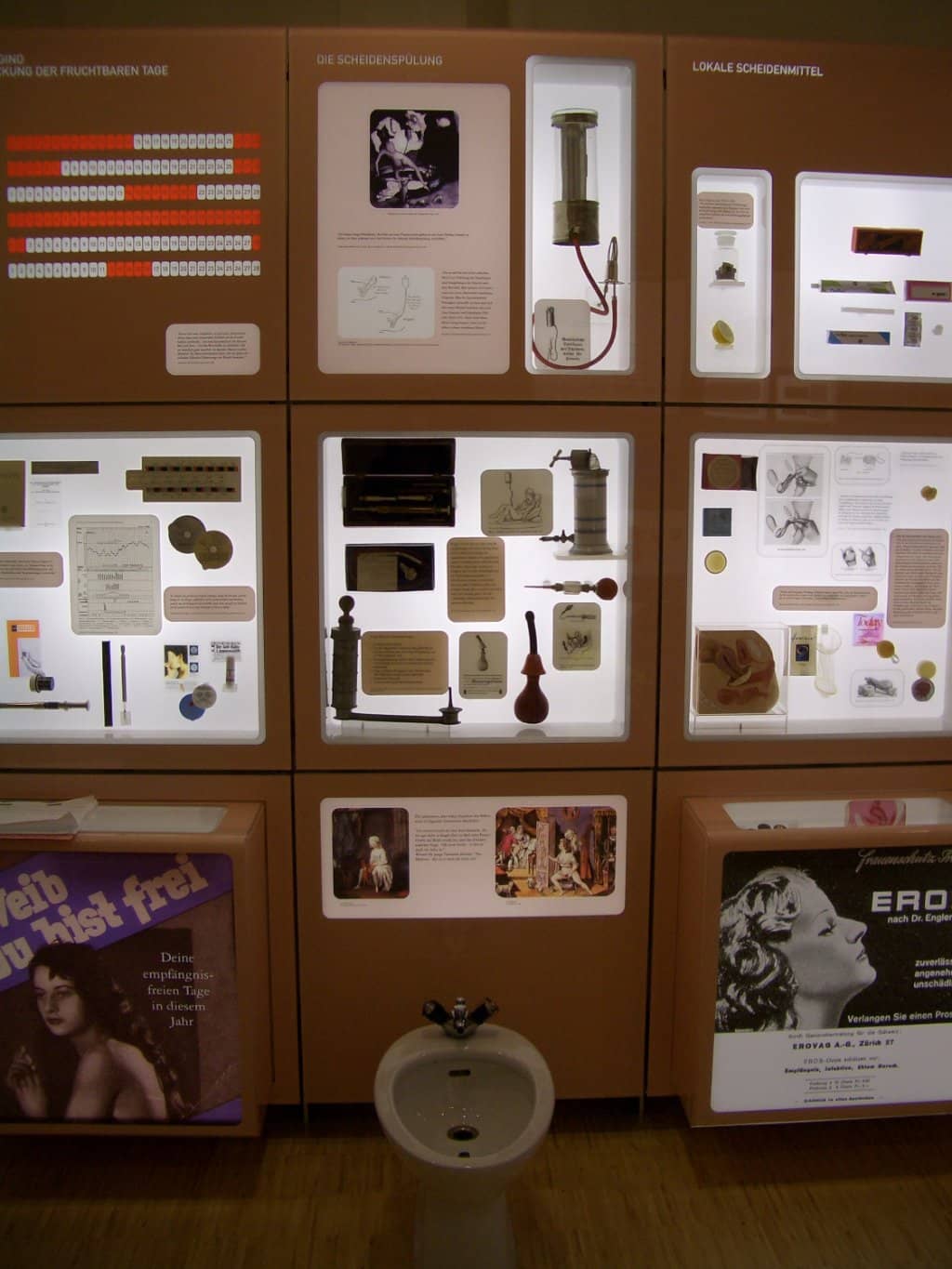
Abortion & Reproductive Rights
Second exhibition room
Understand the historical context and struggles for reproductive freedom.
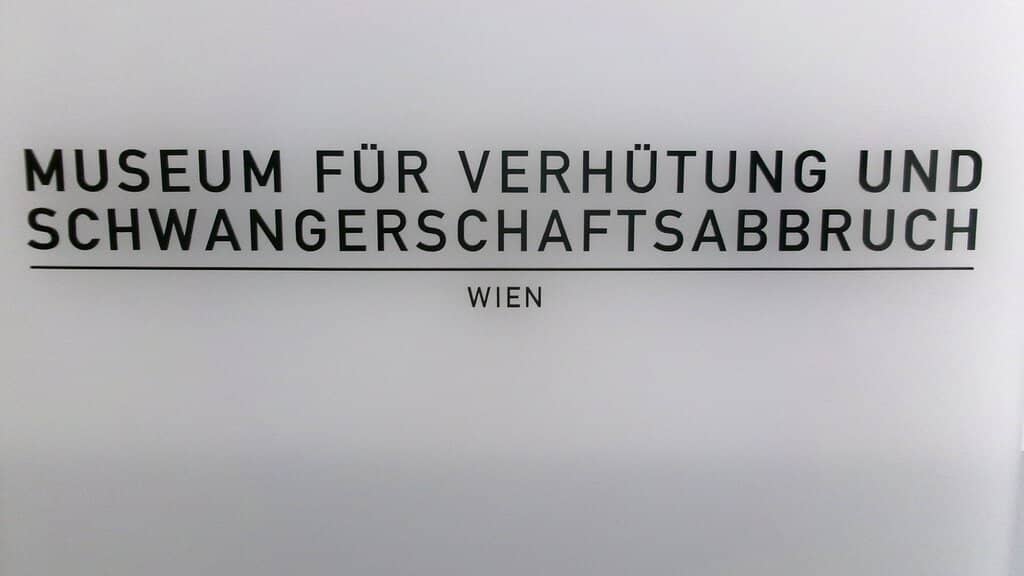
Personal Stories & Artifacts
Throughout the museum
See rare artifacts and read accounts that highlight the importance of reproductive health.
Plans like a pro.
Thinks like you
Planning Your Visit
Finding This Unique Gem
Navigating the Exhibits
Best Times
Insider Tips
from TikTok, Instagram & Reddit
🎯 Look for the Small Plaque
The entrance is discreet; find the small plaque and ring the buzzer to enter.
🎧 Grab an English Audio Guide
Essential for understanding exhibits, as most text is in German.
Unusual Museums/Places to visit in Vienna
⏰ Check Opening Hours
Hours can be limited and sometimes change; verify before your visit.
📱 Use Google Translate
A helpful backup if the audio guide isn't enough or for supplementary info.
Tips
from all over the internet
🎯 Look for the Small Plaque
The entrance is discreet; find the small plaque and ring the buzzer to enter.
🎧 Grab an English Audio Guide
Essential for understanding exhibits, as most text is in German.
⏰ Check Opening Hours
Hours can be limited and sometimes change; verify before your visit.
📱 Use Google Translate
A helpful backup if the audio guide isn't enough or for supplementary info.
🧐 Be Prepared for Sensitive Topics
The museum covers contraception and abortion with dignity and historical context.
What Travellers Say
Reviews Summary
Visitors find the Contraception Museum highly educational and important, appreciating its dignified approach to sensitive topics and the availability of English audio guides. However, some are frustrated by its discreet location, limited opening hours, and the primary use of German text for exhibits.
"Tried to go today (Dec 2025) and couldn't find any museum here. The building indicated on the map was being renovated and was completely gutted inside. We walked up and down several times but didn't see any sign. Gave only one star but only because we couldn't find it!"
Steve Brabbs
"Very educational museum and a must visit, if you are interested in the topic.
Clean, bright, quiet and well organised exebition, with the only drawback being that every written information is in German. But Google translate easily helps, so this aspect doesn't affect my rating.
Prices are fare and i just hope there would be more similar places to provide knowledge about modern topics 🩷"
Olga Fomiceva
"The museum is all about the subject in its name. The museum can be difficult to find as there’s only a small plaque by the door. The museum consists of two rooms of exhibits. All the exhibit descriptions as in German, but the staff will happily give out audio guides that has English. I thought the audio guide and exhibits were excellent, explaining how difficult life was in the days before people could easily control their reproductive health, and how much life has improved for people since.
The museum is off the beaten track, but I was staying close by, so it was lucky. The subject matter will be difficult, but the museum covers and explains it with great dignity."
macedonboy
What People Like
What People Dislike
Frequently Asked Questions
🚇 🗺️ Getting There
The museum is located on the second floor and can be difficult to spot. Look for a small plaque near the ground floor entrance and ring the buzzer to gain access. It's a unique spot that's not always obvious.
Public transport is recommended. The museum is accessible via Vienna's efficient tram and bus network. Check local transport apps for the most direct routes from your location.
It's considered off the beaten track by some, meaning it's not in the most tourist-heavy areas but is still accessible within the city.
🎫 🎫 Tickets & Entry
The museum typically operates with limited hours, often from 2 PM to 6 PM. It's crucial to verify these hours before your visit, as they can be subject to change or unexpected closures.
Admission prices are considered fair. While specific prices can vary, reviews suggest it's an affordable experience, especially given the educational value.
Advance booking is generally not required, but due to limited hours and potential for closures, it's wise to check their official website or social media for any updates on ticketing or entry requirements.
There is no specific dress code. Visitors are encouraged to dress comfortably and respectfully, as the museum deals with sensitive historical and social topics.
🎫 🧭 Onsite Experience
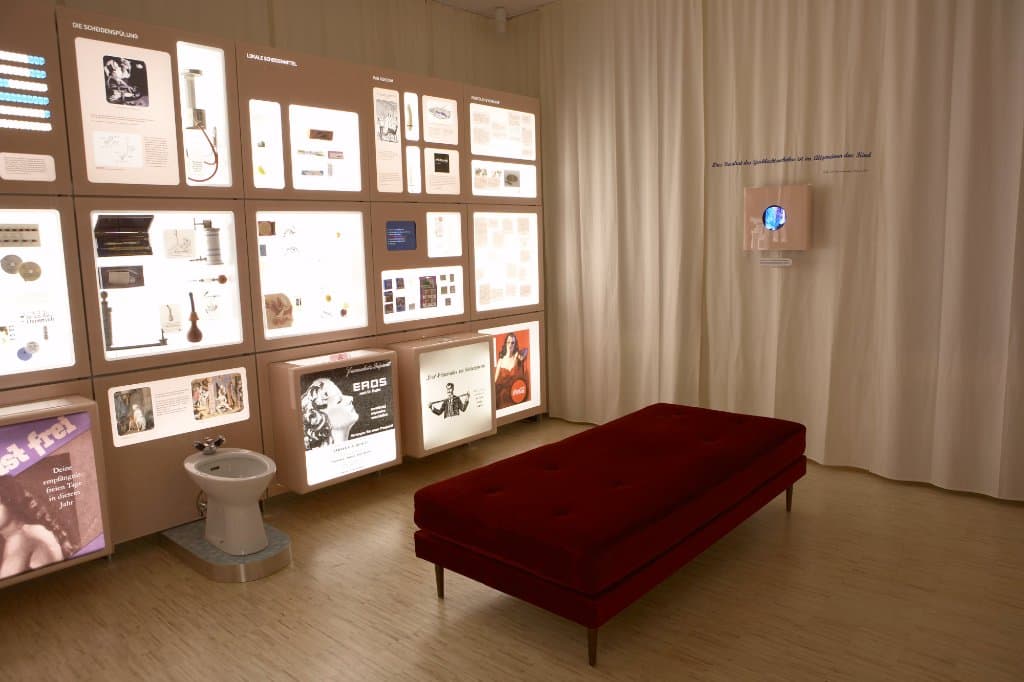
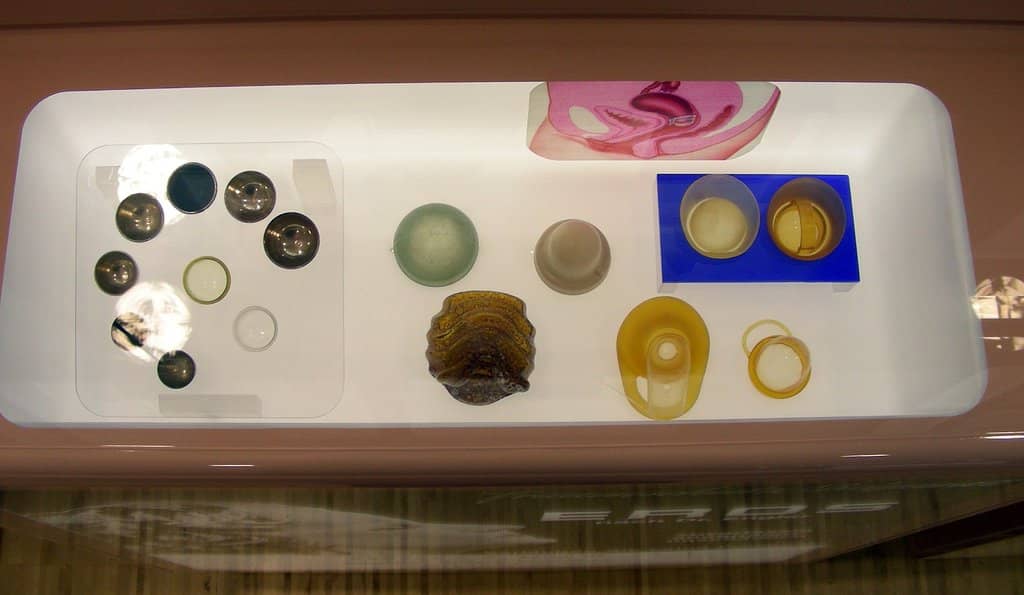
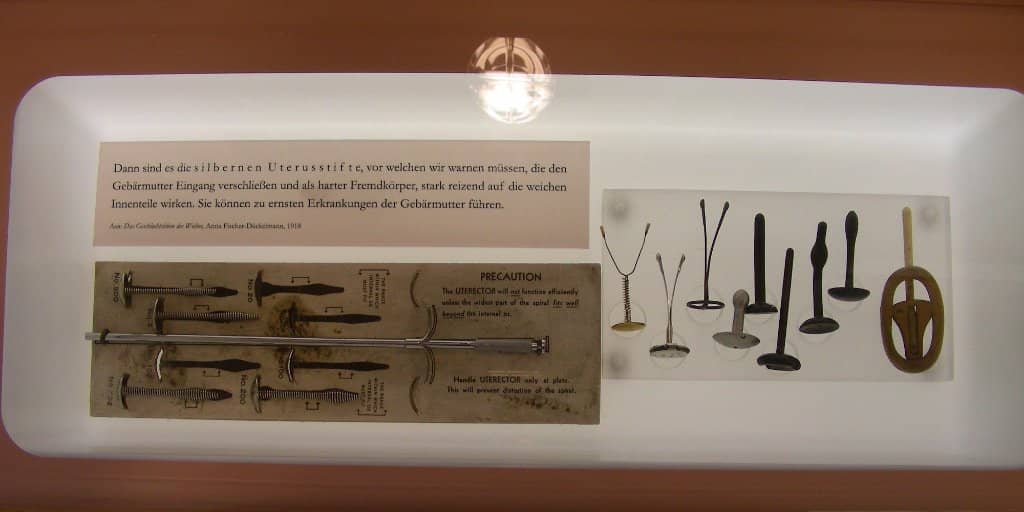
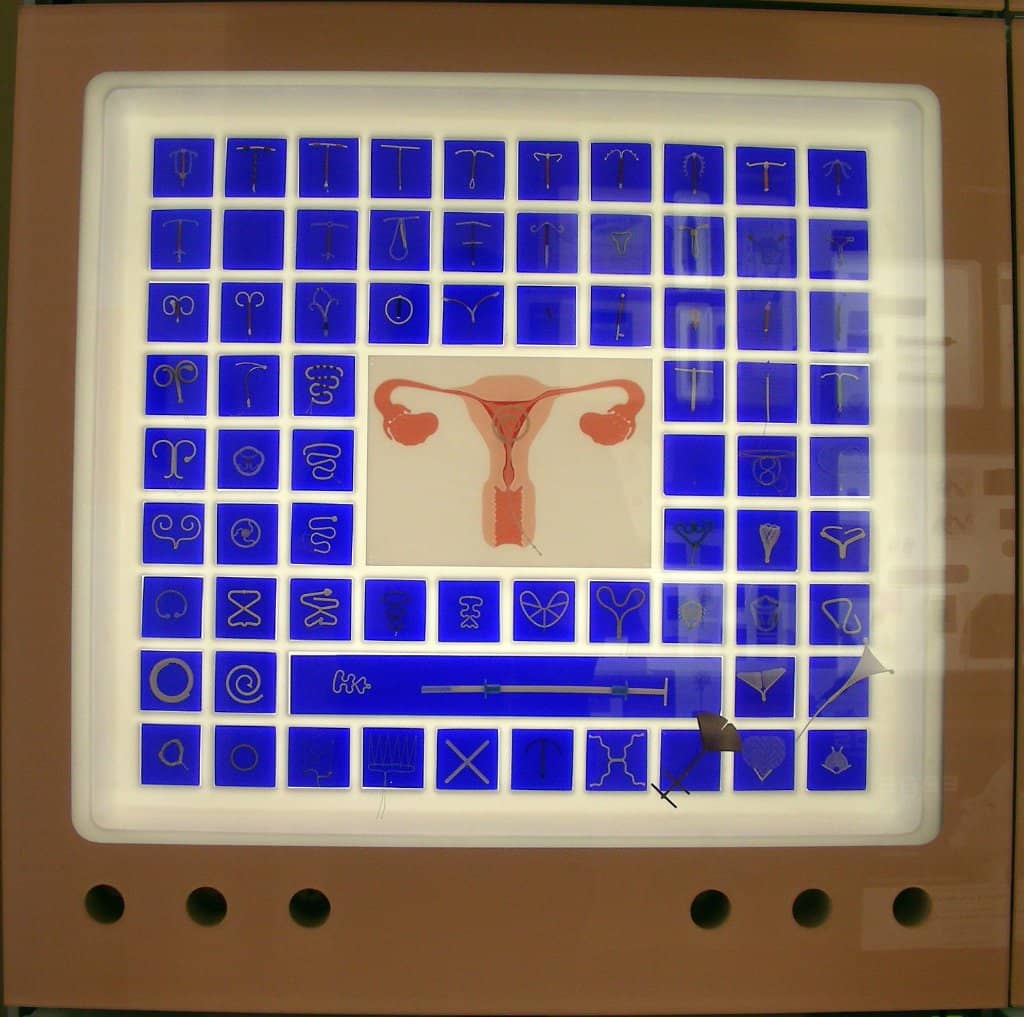
The museum features exhibits detailing the history of contraception, abortion, and reproductive health. It showcases various methods, historical artifacts, and personal accounts, offering a unique educational perspective.
The written descriptions for the exhibits are primarily in German. However, English audio guides are available and highly recommended to fully understand the content and historical context.
The museum is relatively small, consisting of two rooms. A visit typically takes about 1-2 hours, depending on how much time you spend with the exhibits and audio guide.
The museum covers sensitive topics like contraception and abortion. While educational and handled with dignity, visitors should be aware of the subject matter.
Photography policies can vary. It's best to check with the museum staff upon arrival or look for signage regarding photography rules to ensure you comply.
🍽️ 🍽️ Food & Dining
As the museum is off the beaten track, dining options immediately nearby might be limited. However, Vienna has a vast culinary scene, and you can find numerous cafes and restaurants a short public transport ride away.
The museum is a small institution and does not typically have its own cafe or restaurant facilities.
📸 📸 Photography
Photography rules can vary. It's advisable to inquire with the museum staff upon entry or look for posted signs to confirm whether photos are permitted and if any restrictions apply.
While the focus is on education, the historical artifacts and the unique nature of the exhibits themselves can make for interesting, albeit sensitive, photographic subjects if allowed.
For Different Travelers
Tailored advice for your travel style
👨👩👧 Families with Kids
💡 Curious Learners & History Buffs
🚶♀️ Solo Travelers & Explorers
Deep Dives
In-depth insights and expert knowledge
The History and Mission of the Museum
The museum's collection spans a wide range of artifacts, from ancient methods to modern advancements. Visitors can explore exhibits detailing the evolution of birth control devices, the social and legal battles surrounding reproductive choices, and the impact of these developments on women's lives. The approach is educational and handled with dignity, aiming to foster understanding and open dialogue.
Despite its important mission, the museum faces challenges, including its discreet location and the fact that most exhibit descriptions are in German. However, the availability of English audio guides significantly enhances the visitor experience, providing crucial context and making the sensitive subject matter accessible to a broader audience.
Navigating Your Visit: Practicalities and Insights
While the primary language for exhibit text is German, the museum offers English audio guides that are invaluable for understanding the historical context and details of the displays.
The museum's size, consisting of two rooms, means a visit is typically concise, lasting around 1 to 2 hours. Despite its size, the content is dense and thought-provoking. The fair pricing makes it an accessible educational experience,
Social
from TikTok, Instagram & Reddit