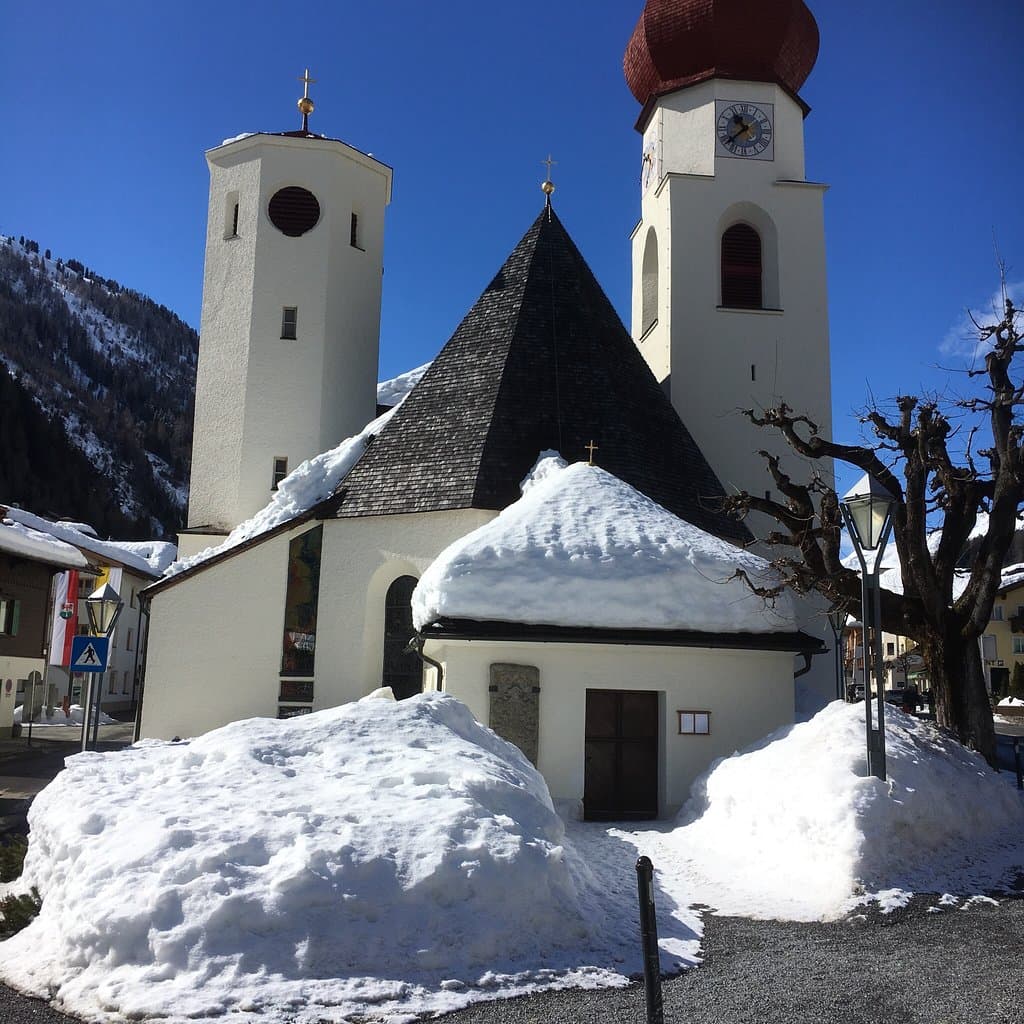
Parish Church St. Anton
A beautiful Baroque church, originally built in 1698, featuring a precious 15th-century altar.
Highlights
Must-see attractions

Social
From TikTok & Reddit
Best Time
To see the interior
Parish Church St. Anton
Best Time
To see the interior
Highlights
Must-see attractions
A beautiful Baroque church, originally built in 1698, featuring a precious 15th-century altar.
"A small Baroque church dedicated to the Madonna, Saint Francis of Assisi, and Saint Anthony of Padua."
Confirm Opening Times
Check hours before visiting, as it can be closed unexpectedly. :clock1:
Appreciate the Altar
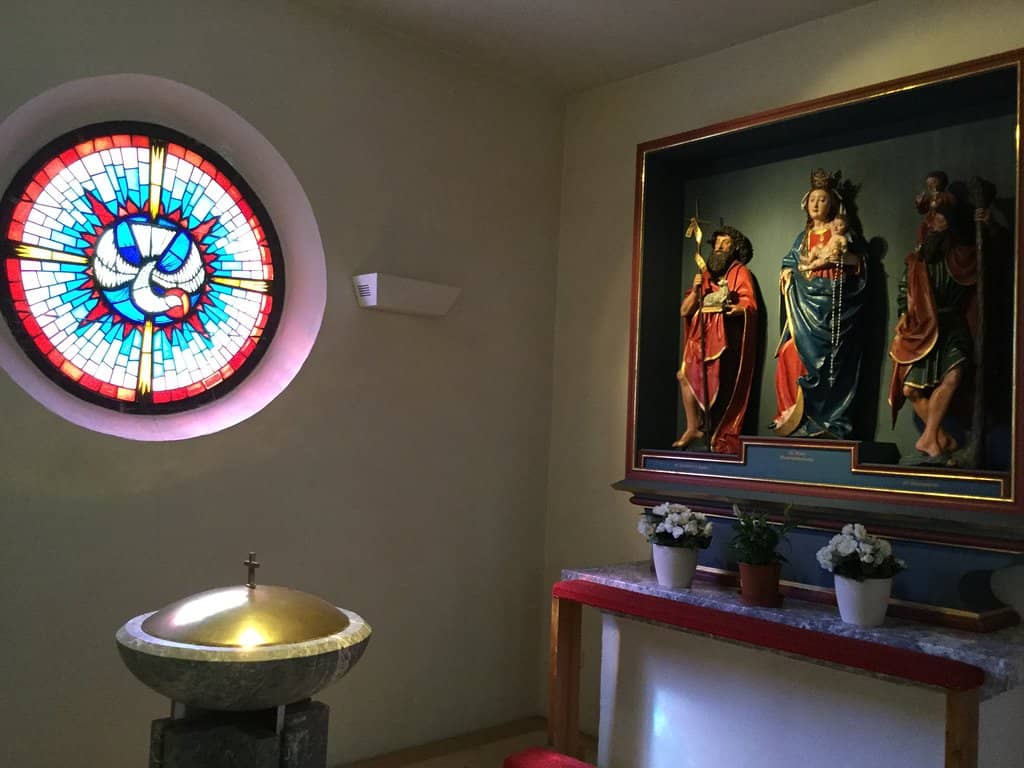
Don't miss the rare 15th-century altar inside. :sparkles:
Highlights
Discover the most iconic attractions and experiences
Baroque Architecture
Admire the elegant Baroque style of this church, a testament to its rich history and artistic heritage.
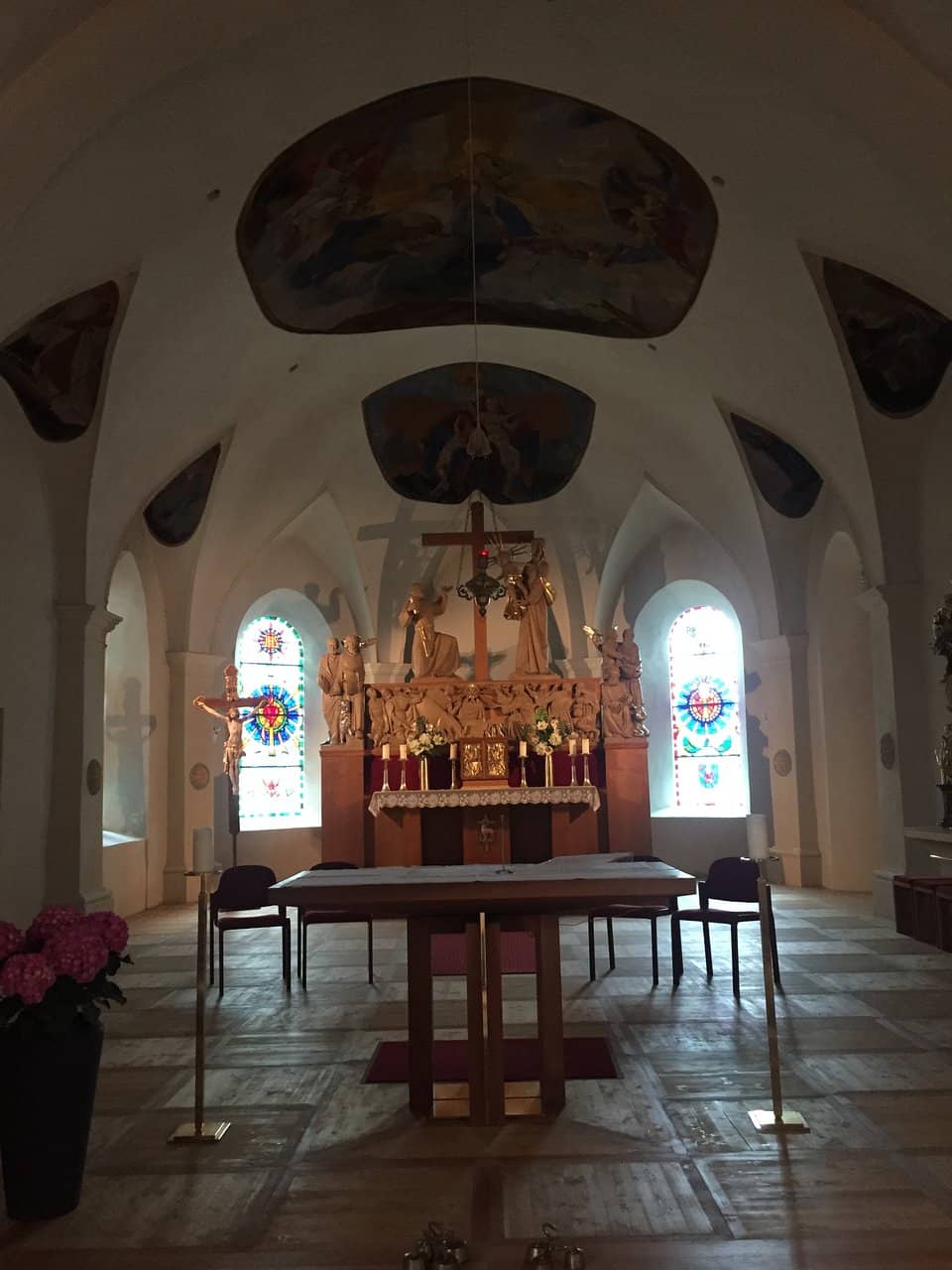
15th-Century Altar
Discover a precious altar dating back to the 1400s, a rare and significant piece of historical art.
Plans like a pro.
Thinks like you
Planning Your Visit
Check Opening Hours
Understand Its History
Best Times
Insider Tips
from TikTok, Instagram & Reddit
Confirm Opening Times
Check hours before visiting, as it can be closed unexpectedly. :clock1:
Appreciate the Altar
Don't miss the rare 15th-century altar inside. :sparkles:
Tips
from all over the internet
Confirm Opening Times
Check hours before visiting, as it can be closed unexpectedly. :clock1:
Appreciate the Altar
Don't miss the rare 15th-century altar inside. :sparkles:
What Travellers Say
Reviews Summary
Visitors describe the Parish Church of St. Anton as a beautiful building with a significant 15th-century altar. While some found it closed during their visit, those who experienced it appreciated its Baroque style and historical value.
"Beautiful building"
Yaqoub Alqaed
"Beautiful. God bless you all"
mewc
"A small Baroque church dedicated to the Madonna, Saint Francis of Assisi, and Saint Anthony of Padua.
In Baroque style, it was built in 1698, but its current form dates back only to 1951.
Inside, there is a precious altar from the 1400s."
channel max
What People Like
What People Dislike
Frequently Asked Questions
🚇 🗺️ Getting There
Information on public transport or driving directions to Parish Church St. Anton would typically be found on local tourism websites or by using navigation apps. As it's a parish church, it's often centrally located within a town or village.
Parking availability can vary greatly depending on the location. It's advisable to check local signage or inquire with nearby businesses if you are driving.
🎫 🎫 Tickets & Entry
Parish churches are typically free to enter for worship and quiet contemplation. However, specific visiting hours may apply.
Opening hours can vary. It's best to check local listings or contact the parish directly, as churches may have different hours for services and general visiting.
Often, yes, but it's recommended to confirm visiting hours. Some churches may have specific times designated for tourists outside of religious services.
🎫 🏛️ Onsite Experience
The Parish Church St. Anton is described as being in Baroque style, with its current form dating back to 1951, though it was originally built in 1698.
Inside, visitors can find a precious altar from the 1400s, a significant historical and artistic artifact.
Yes, it's a relatively small church, making it suitable for a brief visit to admire its architecture and historical elements.
📸 📸 Photography
Photography policies can vary. It's generally respectful to avoid flash photography and to check for any posted signs regarding photo restrictions.
For Different Travelers
Tailored advice for your travel style
History Enthusiasts
Visitors interested in architectural evolution will appreciate the Baroque style and how it has been maintained or adapted. Exploring the church allows for a deeper understanding of the local heritage and the enduring significance of religious institutions in shaping communities.
Deep Dives
In-depth insights and expert knowledge
Architectural Significance
Key features include its Baroque architecture, which often implies ornate decoration, grand facades, and a sense of drama. The church's history is marked by a significant renovation or rebuilding in 1951, suggesting a continuity of faith and community presence over centuries. Visitors often note the beauty of the building, appreciating its role as a landmark and a place of worship.
Artistic Treasures
While the church itself has undergone changes, the preservation of this 15th-century altar highlights its importance and the community's commitment to safeguarding its heritage. It's a must-see for anyone interested in religious art and history, providing a glimpse into the artistic achievements of centuries past.


Social
from TikTok, Instagram & Reddit