
Pilot Wilderness Area
Experience Alaska's raw, untamed wilderness. Pilot Wilderness Area offers unparalleled solitude, abundant wildlife, and pristine landscapes for the ul...

Highlights
Must-see attractions

Social
From TikTok & Reddit
Best Time
Longest days, best weather
Pilot Wilderness Area
Best Time
Longest days, best weather
Highlights
Must-see attractions
Experience Alaska's raw, untamed wilderness. Pilot Wilderness Area offers unparalleled solitude, abundant wildlife, and pristine landscapes for the ultimate remote adventure.
"A true escape into the wild, where the silence is broken only by nature's symphony."

Pack for All Conditions
Weather changes rapidly. Bring layers, waterproof gear, and sturdy hiking boots. :hiking_boot:
Navigation is Crucial
Carry maps, compass, and GPS. Cell service is non-existent. :compass:

Highlights
Discover the most iconic attractions and experiences
Untamed Landscapes
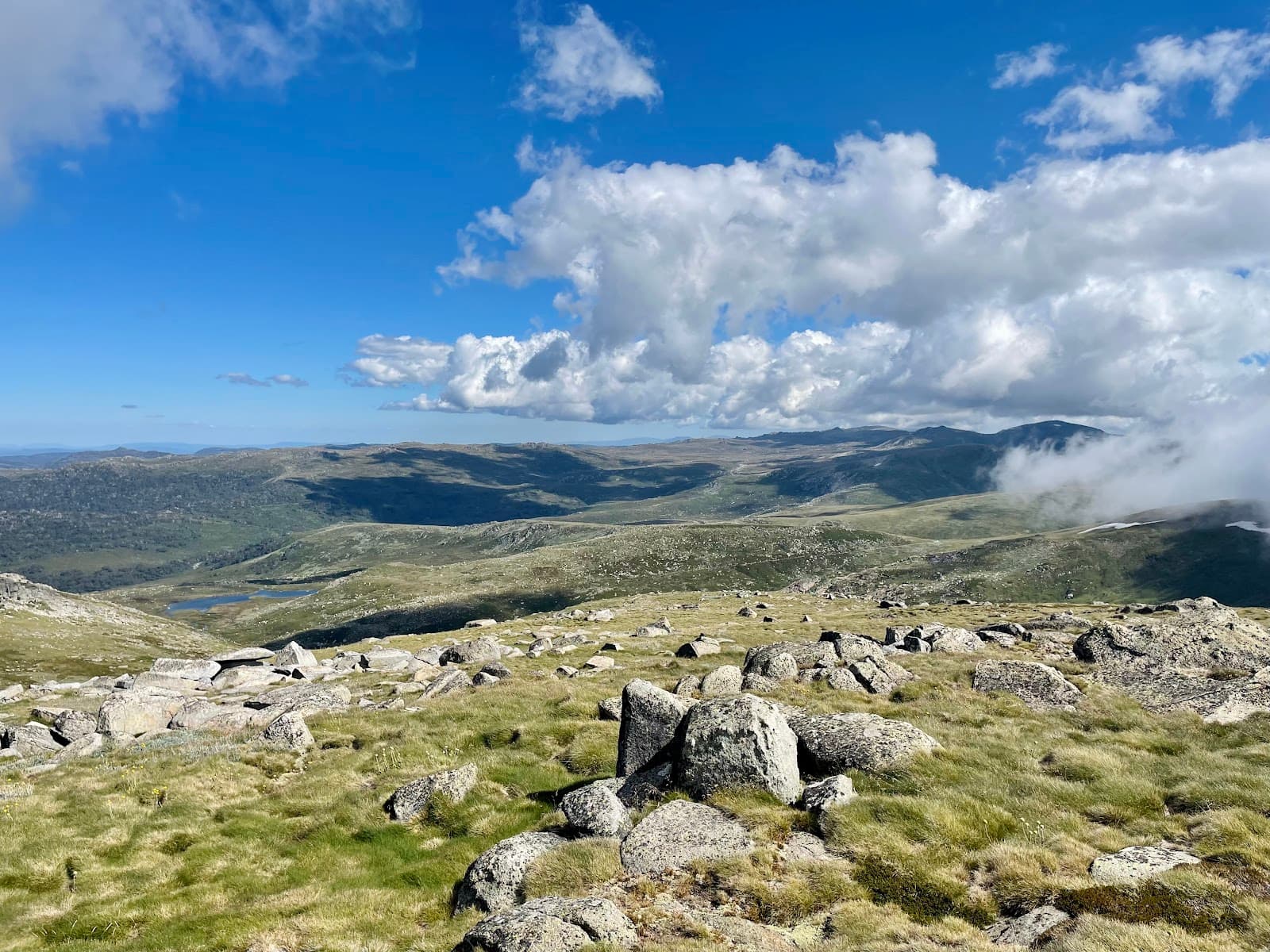
Vast, untouched wilderness offering breathtaking vistas and a true escape from civilization. Experience raw nature.

Remote River Journeys
Explore pristine rivers by kayak or canoe, encountering abundant wildlife and serene solitude. A paddler's paradise.

Wildlife Encounters
Spot bears, moose, caribou, and a variety of bird species in their natural habitat. An unforgettable wildlife viewing experience.
Plans like a pro.
Thinks like you
Planning Your Visit
Embrace the Wild
Plan Your Expedition
Best Times
Insider Tips
from TikTok, Instagram & Reddit
Best Path to Bush Pilot?
Pack for All Conditions
Weather changes rapidly. Bring layers, waterproof gear, and sturdy hiking boots. :hiking_boot:
Navigation is Crucial
Carry maps, compass, and GPS. Cell service is non-existent. :compass:
Curious About Becoming a Busch Pilot in Alaska
Becoming a Bush Pilot in Alaska
Book Flights Early
Bush plane access is limited and fills up fast. Plan ahead. :airplane_departure:
Leave No Trace
Pack out everything you pack in. Respect the pristine environment. :recycle:
I was an Alaskan bush pilot. This is what I saw...
Tips
from all over the internet
Pack for All Conditions
Weather changes rapidly. Bring layers, waterproof gear, and sturdy hiking boots. :hiking_boot:
Navigation is Crucial
Carry maps, compass, and GPS. Cell service is non-existent. :compass:
Book Flights Early
Bush plane access is limited and fills up fast. Plan ahead. :airplane_departure:
Leave No Trace
Pack out everything you pack in. Respect the pristine environment. :recycle:
What Travellers Say
Reviews Summary
Visitors praise Pilot Wilderness Area for its unparalleled remoteness and pristine, untouched beauty, offering a true escape into nature. The opportunity for wildlife viewing and serene river journeys are major draws. However, the extreme isolation and significant logistical challenges, particularly the cost and planning required for bush plane access, are considerable hurdles for many.
What People Like
What People Dislike
Frequently Asked Questions
🚇 🗺️ Getting There
Access is primarily via bush plane from larger Alaskan towns like Anchorage or Fairbanks. Some adventurers may attempt challenging overland routes, but this requires significant preparation and experience. Research charter flight operators well in advance as availability can be limited.
Once in the area, travel is typically by foot, kayak, canoe, or small boat on rivers. There are no roads or established trails in most parts of the Pilot Wilderness Area.
No, Pilot Wilderness Area is not accessible by conventional vehicles. Its remote nature means you'll need to rely on air or water transportation.
Depending on your activities (e.g., camping, hunting, fishing), you may need permits from the Bureau of Land Management (BLM) or the Alaska Department of Fish and Game. Always check current regulations.
The nearest major airports with commercial service are in Anchorage (ANC) and Fairbanks (FAI). From there, you'll arrange bush plane charters.
🎫 🎫 Tickets & Entry
Pilot Wilderness Area is a public land managed by the BLM and generally does not have entrance fees. However, costs are associated with transportation to the area.
As a wilderness area, there are no set operating hours. It is accessible year-round, though winter access is extremely challenging and often impossible for most visitors.
Yes, booking bush plane charters well in advance is highly recommended, especially during peak summer months. Permits for specific activities may also need pre-arrangement.
There are no visitor centers within the Pilot Wilderness Area itself. Information and planning should be done prior to arrival, often through BLM offices or local air charter services.
Dispersed camping is generally permitted, but always follow Leave No Trace principles. Check with the BLM for any specific regulations or designated camping areas if they exist.
🎫 🧭 Onsite Experience
You can encounter a wide array of Alaskan wildlife, including grizzly bears, black bears, moose, caribou, Dall sheep, wolves, and numerous bird species. Always maintain a safe distance.
The Pilot Wilderness Area is largely undeveloped with very few, if any, marked trails. Hiking is typically off-trail and requires strong navigation skills.
Popular activities include remote fishing, wildlife viewing, kayaking and canoeing on rivers, backcountry camping, and photography. It's ideal for those seeking solitude and true wilderness immersion.
While many natural water sources are clear, it's always recommended to treat or filter all water to avoid potential contaminants like Giardia.
Carry bear spray and know how to use it. Make noise while hiking, avoid surprising bears, and never feed them. If you see a bear, back away slowly.
🍽️ 🍽️ Food & Dining
No, there are absolutely no food services, restaurants, or lodges within the Pilot Wilderness Area. You must bring all your own food and be prepared to cook it.
Pack non-perishable, high-energy foods that are lightweight and easy to prepare. Think dehydrated meals, trail mix, energy bars, and jerky. Bear-resistant food containers are essential.
Yes, hunting and fishing are permitted with the proper licenses and adherence to Alaska Department of Fish and Game regulations. Ensure you are familiar with seasons and bag limits.
Use bear-resistant containers and hang your food properly away from your campsite if containers are not available. Never leave food unattended.
Bring a reliable portable stove, fuel, cooking pot, utensils, and cleaning supplies. Practice using your stove before your trip.
📸 📸 Photography
The area offers incredible opportunities for landscape photography, wildlife shots (bears, moose, birds), and capturing the vast, untouched wilderness. The dramatic light of Alaska is a photographer's dream.
A versatile zoom lens for wildlife, a wide-angle lens for landscapes, and a sturdy tripod are recommended. Consider a waterproof camera or protective casing for your gear.
The 'golden hours' around sunrise and sunset offer the most dramatic and beautiful light. The long summer days also provide ample shooting time.
Use waterproof camera bags or dry sacks. Bring lens cloths and cleaning solutions for dust and moisture. Be mindful of extreme temperature changes.
While there are no designated viewpoints, any high ground overlooking a river valley or expansive tundra will offer stunning photographic potential. Explore responsibly.
For Different Travelers
Tailored advice for your travel style
👨👩👧 Families with Kids
For families seeking a taste of Alaska's wild, consider areas with accessible national parks or state parks that offer ranger programs, designated campgrounds, and easier trails. The focus here should be on safety and creating positive, manageable outdoor experiences for children.
💰 Budget Travelers
To mitigate costs, consider traveling in a group to share the expense of the flight. Packing all your own food and gear, and avoiding any unnecessary purchases, will also help. The true 'cost' of this trip is the preparation and the investment in reliable gear, which can be substantial. This is more of a 'value' destination for experienced adventurers than a budget getaway.
Solo Adventurers
Solo travelers must be exceptionally proficient in navigation, wilderness survival, and self-care. It is absolutely critical to leave a detailed itinerary with a trusted contact and to have robust communication plans (like a satellite messenger). Thorough preparation and a deep understanding of your own capabilities are non-negotiable for a safe solo expedition in this area.
Deep Dives
In-depth insights and expert knowledge
Navigating the Alaskan Backcountry
Many visitors choose to fly into a specific drop-off point and then navigate by river. Understanding river currents, potential hazards, and safe paddling techniques is essential if you plan on using a kayak or canoe. Always be aware of your surroundings, especially concerning wildlife. Sudden encounters can be dangerous, so making noise while moving through dense vegetation is a common recommendation.
Self-sufficiency is the name of the game here. You must be prepared to handle any situation that arises, from minor injuries to equipment malfunctions, without immediate external help. This includes carrying a comprehensive first-aid kit and knowing how to use it.
Wildlife Encounters in Pilot Wilderness Area
Beyond bears, you might spot moose, often seen near water sources or willow thickets. Caribou herds can also traverse the tundra, and if you're lucky, you might see Dall sheep on rocky slopes. Birdwatchers will be delighted by the variety of waterfowl, raptors, and songbirds. Remember to maintain a respectful distance and use a telephoto lens for photography to avoid disturbing the animals.
Respecting the wildlife's space is not just about safety; it's about preserving the natural integrity of the ecosystem. Observing animals in their natural habitat without interference is a privilege that comes with significant responsibility.
Logistics of Reaching Remote Alaska
The cost of bush plane travel can be significant, so factor this into your budget. It's also wise to have a contingency plan in case of weather delays, which are common in Alaska. Flexibility is key when planning a trip to such an untamed region. Some experienced adventurers might consider more complex overland routes, but this is generally not recommended for those unfamiliar with extreme backcountry travel.
Once you've landed, your primary modes of transport will be your own two feet, a kayak, or a canoe. There are no roads, no vehicles, and no services. This level of remoteness is what draws many to Pilot Wilderness Area, but it demands thorough preparation and a commitment to self-reliance.

Social
from TikTok, Instagram & Reddit