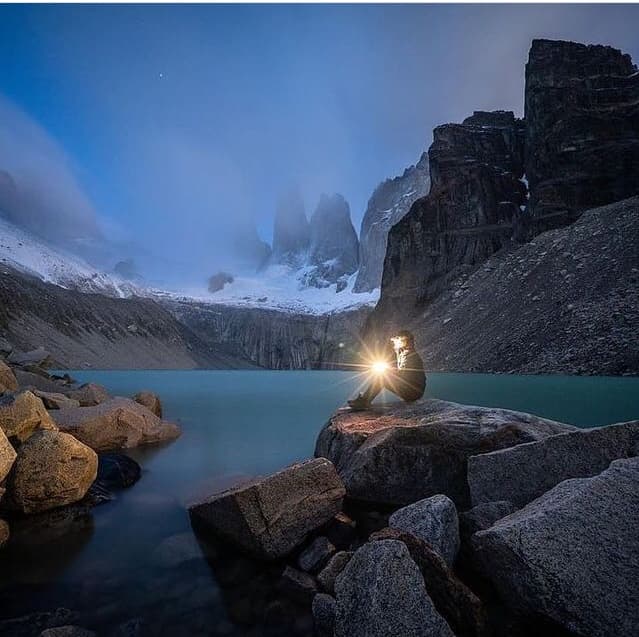
Patagonian Steppe
Vast, windswept plains of Patagonia, offering a raw, untamed wilderness experience with rich Gaucho heritage and unique wildlife.

Highlights
Must-see attractions

Social
From TikTok & Reddit
Best Time
Calmer winds, better light
Patagonian Steppe
Best Time
Calmer winds, better light
Highlights
Must-see attractions
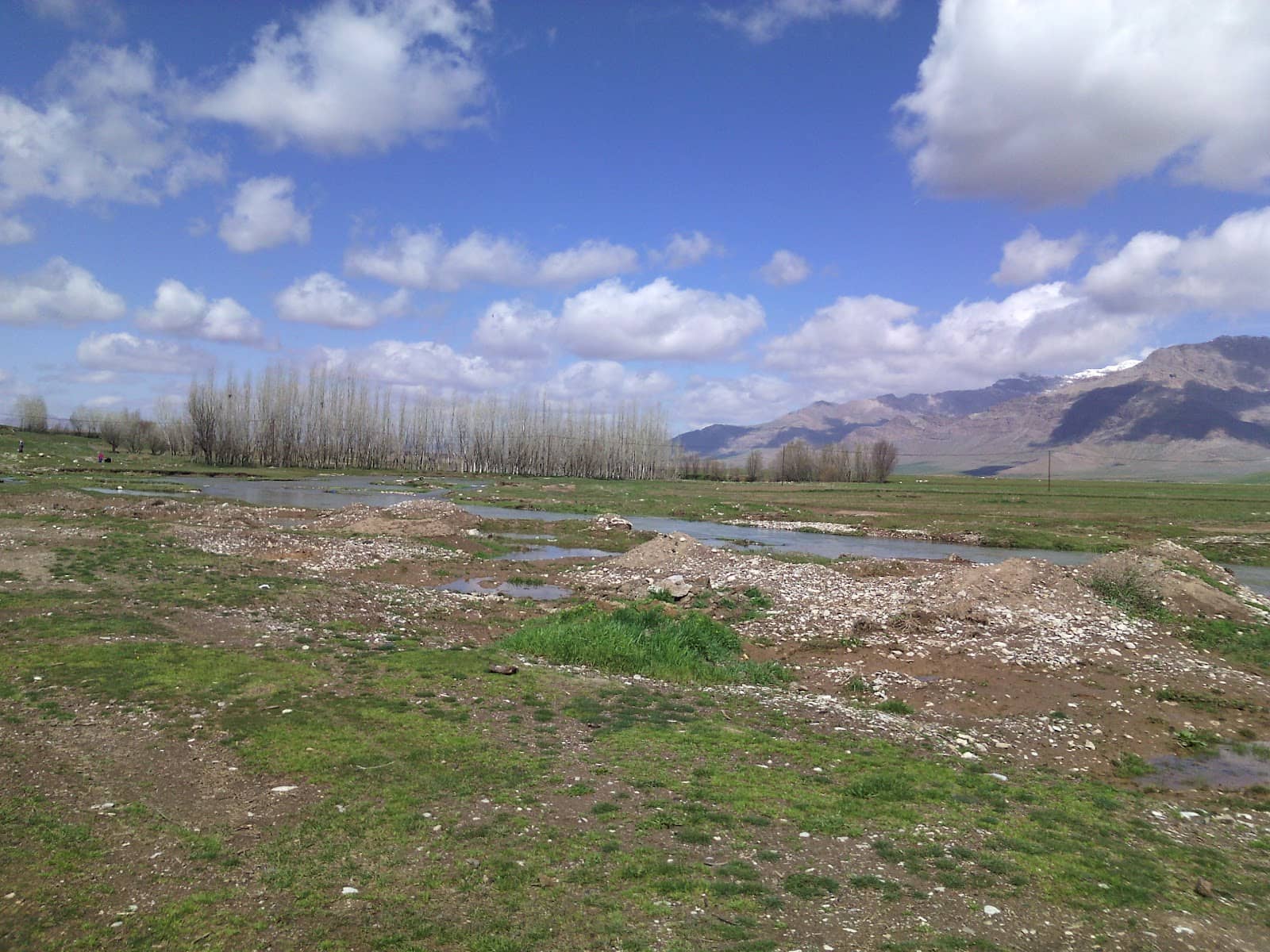
Vast, windswept plains of Patagonia, offering a raw, untamed wilderness experience with rich Gaucho heritage and unique wildlife.
"Big skies, wide open expanse of Patagonian steppe, biblical winds and galloping horses - it can only be the @gauchoderby dream team!"
Layer Up! 🧥
Windproof and waterproof layers are essential. Weather changes rapidly on the steppe.
Respect Wildlife 🐾
Observe animals from a distance. Never feed them to preserve their natural behavior.
Quick Facts
Rating
4.8 · 35 reviews
Type
Natural Feature
Highlights
Discover the most iconic attractions and experiences
Vast Open Expanse
Experience the immense, windswept plains stretching to the horizon. A true sense of wilderness and solitude.
Gaucho Culture
Witness traditional ranch life, horseback riding, and authentic asados. Immerse yourself in the local heritage.
Unique Wildlife
Spot guanacos, rheas, and potentially elusive pumas in their natural habitat. A haven for nature lovers.
Plans like a pro.
Thinks like you
Planning Your Visit
Embrace the Elements
Wildlife Encounters
Best Times
Insider Tips
from TikTok, Instagram & Reddit
Layer Up! 🧥
Windproof and waterproof layers are essential. Weather changes rapidly on the steppe.
Respect Wildlife 🐾
Observe animals from a distance. Never feed them to preserve their natural behavior.
Embrace the Wind 💨
Patagonia is known for its strong winds. Secure your belongings and enjoy the wild atmosphere.
Plan for Isolation 🗺️
Services can be sparse. Carry essentials and inform someone of your travel plans.
Tips
from all over the internet
Layer Up! 🧥
Windproof and waterproof layers are essential. Weather changes rapidly on the steppe.
Respect Wildlife 🐾
Observe animals from a distance. Never feed them to preserve their natural behavior.
Embrace the Wind 💨
Patagonia is known for its strong winds. Secure your belongings and enjoy the wild atmosphere.
Plan for Isolation 🗺️
Services can be sparse. Carry essentials and inform someone of your travel plans.
Photography Ready 📸
The vast landscapes and wildlife offer incredible photo opportunities. Capture the dramatic scenery.
What Travellers Say
Reviews Summary
Visitors consistently praise the Patagonian Steppe for its breathtaking, vast landscapes and the unique opportunity to experience traditional Gaucho culture. Wildlife sightings and the sheer sense of wilderness are major highlights. However, some find the strong, persistent winds challenging, and the remoteness requires careful planning.
"Wonderful & beautiful❤"
Raj Sahu
"Beautiful. I came to know about this through a programme of Bear Grylls"
Lucid Thinker
"Argentina’s largest desert, a cold, windswept region that undergoes seven months of winter and five of summer.
Bordered by the Atlantic to the east and the Andes to the west, the Patagonian Desert covers 260,000 square miles (673,000 square km) of southern Argentina and just crosses the border into Chile. The region has two distinct climatic zones: in the semiarid north, top temperatures average 54–68˚F (12–20˚C), while the south is cooler, with highs of 39–55˚F (4–13˚C). Average precipitation is 8 in (200 mm). The center is mainly barren rocky plateau, but near the desert borders, mixed northern shrubland changes to sparser grassy vegetation in the south."
Andrey Novoselov
What People Like
What People Dislike
Frequently Asked Questions
🚇 🗺️ Getting There
Access to the Patagonian Steppe typically involves flying into major hubs like El Calafate or Puerto Natales. From there, you'll likely need to rent a car or arrange for private transport to reach specific estancias or remote areas.
Yes, driving is a popular way to explore the Patagonian Steppe, especially if you rent a vehicle. Roads can range from paved highways to gravel tracks, so a 4x4 might be beneficial for certain routes.
Key entry points include El Calafate in Argentina and Puerto Natales in Chile, both of which offer access to vast stretches of the steppe and nearby national parks.
Generally, no special permit is needed for general driving. However, if you plan to enter national parks like Torres del Paine, you will need to purchase an entrance fee.
The Patagonian Steppe is vast and can be very remote. It's crucial to plan your routes, fuel stops, and accommodation in advance, as services are limited in many areas.
🎫 🎫 Tickets & Entry
The Patagonian Steppe itself is a vast natural region and doesn't have a single entrance fee. However, if you plan to visit national parks within the steppe, such as Torres del Paine, you will need to purchase an entrance ticket.
Entrance fees for Torres del Paine National Park vary for different nationalities and durations of stay. It's best to check the official CONAF website for the most current pricing.
It is highly recommended to book your entrance tickets and any necessary campsite reservations for national parks like Torres del Paine well in advance, especially during peak season, as they can sell out.
Many guided tours to the Patagonian Steppe and its national parks will include entrance fees in their package price. This can be a convenient option if you prefer not to manage bookings yourself.
National parks in Patagonia, like Torres del Paine, are generally open year-round, but specific access points and facilities may have seasonal hours. Always check the official park websites for the most up-to-date information.
🎫 🧭 Onsite Experience
Activities include horseback riding with gauchos, wildlife viewing (guanacos, rheas, pumas), hiking in national parks, and experiencing the vast, windswept landscapes.
Yes, especially within national parks like Torres del Paine, which offers famous treks like the 'W' and 'O' circuits. The steppe itself offers more open-terrain hiking opportunities. +1
You can spot guanacos, Darwin's rheas, armadillos, and if you're lucky, pumas. Birdwatching is also excellent, with species like the Andean condor. 
While generally safe, it's advisable to be cautious due to the remote nature and strong winds. Inform someone of your itinerary and consider traveling with a guide or group for longer treks.
Pack layers of clothing, including waterproof and windproof outer shells, sturdy hiking boots, sunscreen, a hat, and sunglasses. Binoculars are great for wildlife spotting.
🍽️ 🍽️ Food & Dining
Expect hearty, traditional Patagonian cuisine. This often includes delicious lamb (asado), local produce, and game meats. Estancias often offer authentic gaucho meals.
Restaurants are primarily found in towns like El Calafate and Puerto Natales. In more remote steppe areas, dining options are usually limited to estancias or lodges.
An 'asado' is a traditional Argentine barbecue, typically featuring slow-roasted lamb or beef cooked over an open fire. It's a quintessential Patagonian culinary experience.
While meat is prevalent, many restaurants in larger towns are increasingly offering vegetarian and vegan options. It's always a good idea to inquire beforehand.
Argentine wine, particularly Malbec, is very popular. Craft beers are also gaining traction. Mate, a traditional South American caffeine-rich infused drink, is a local staple.
📸 📸 Photography
The vast, open landscapes, dramatic mountain backdrops (like Torres del Paine), unique wildlife, and gaucho culture offer endless photographic opportunities.
Sunrise and sunset offer the most dramatic light, with golden hues illuminating the steppe. Midday can be harsh due to strong sunlight, but can work for wildlife.
A good quality camera with a versatile lens is recommended. A wide-angle lens is great for landscapes, and a telephoto lens is useful for wildlife.
Use a camera bag with good padding and consider a rain cover or plastic bag to protect against wind-blown dust and moisture. Clean lenses frequently.
Yes, numerous photography tours cater to the Patagonian Steppe, offering guided access to prime locations and expert advice on capturing the region's beauty.
Social
from TikTok, Instagram & Reddit