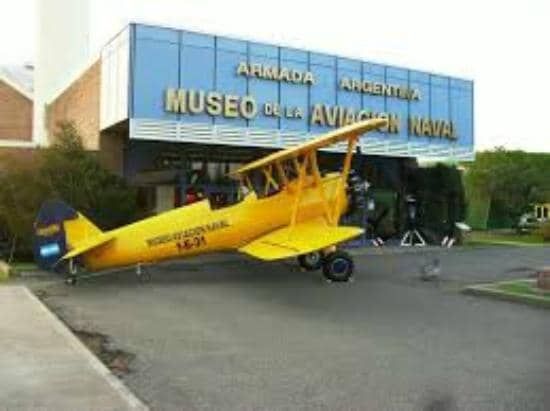
Museo de la Aviación Naval Argentina (MUAN)
Preserving the rich history of Argentine Naval Aviation, from pioneering flights to wartime heroism. A journey through aircraft and the stories of its...
Highlights
Must-see attractions

Social
From TikTok & Reddit
Best Time
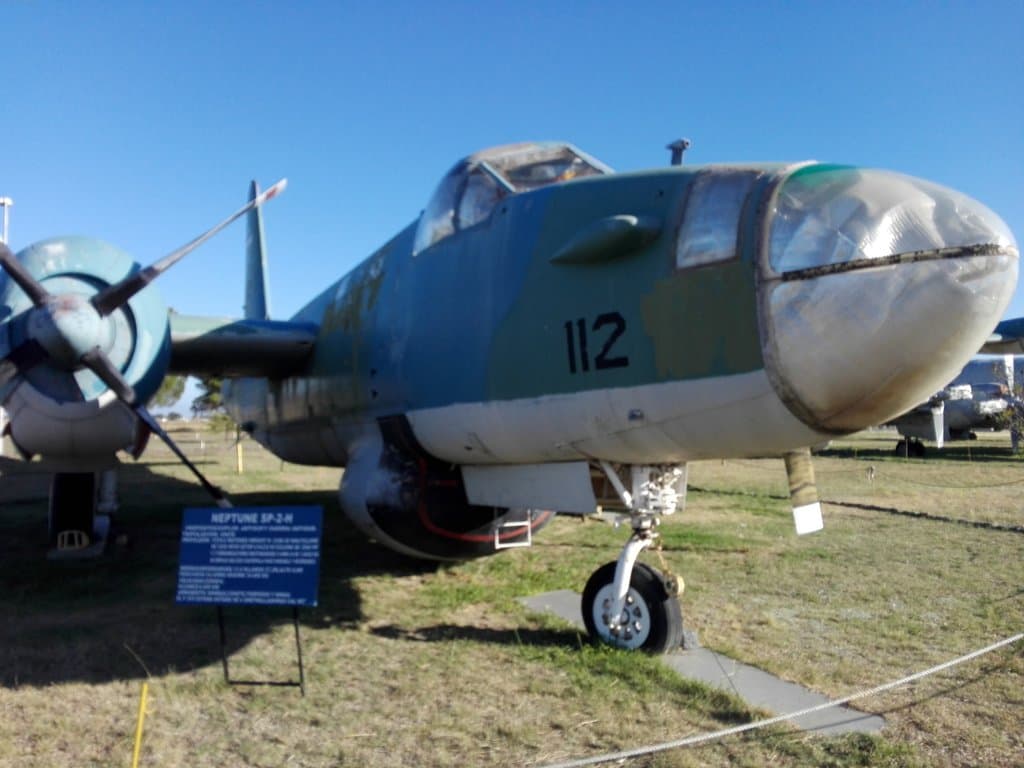
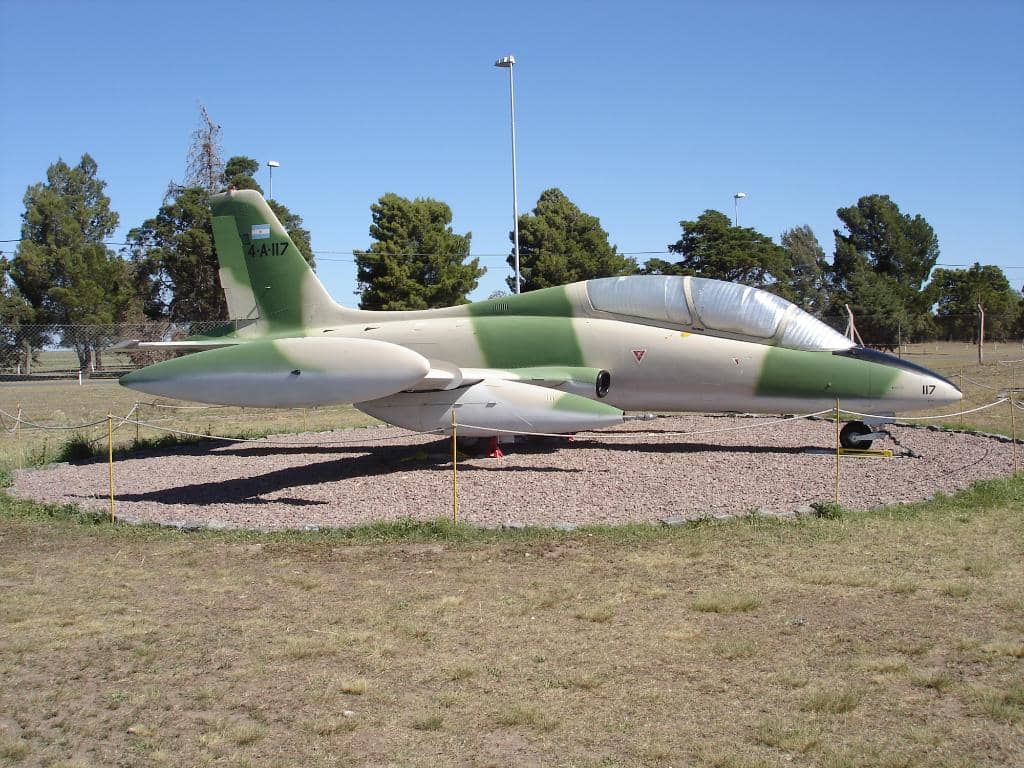
More aircraft on outdoor display
Museo de la Aviación Naval Argentina (MUAN)
Best Time
More aircraft on outdoor display
Highlights
Must-see attractions
Preserving the rich history of Argentine Naval Aviation, from pioneering flights to wartime heroism. A journey through aircraft and the stories of its brave sailors.
"An excellent place with a wealth of history and information about the Argentine Navy's aviation industry."
📸 Photo Opportunities
Capture stunning shots of historic aircraft, especially the Etendart. Great for aviation enthusiasts!
⏳ Allow Ample Time
The museum is comprehensive; dedicate at least 2-3 hours to fully appreciate the exhibits.
Highlights
Discover the most iconic attractions and experiences
Historic Aircraft Collection
Exhibition halls and outdoor field
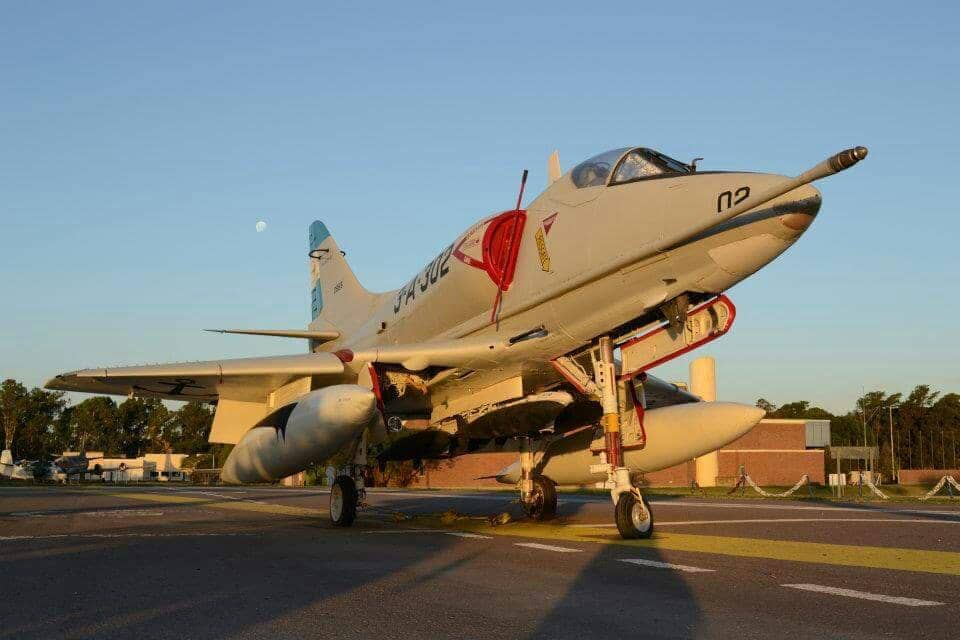
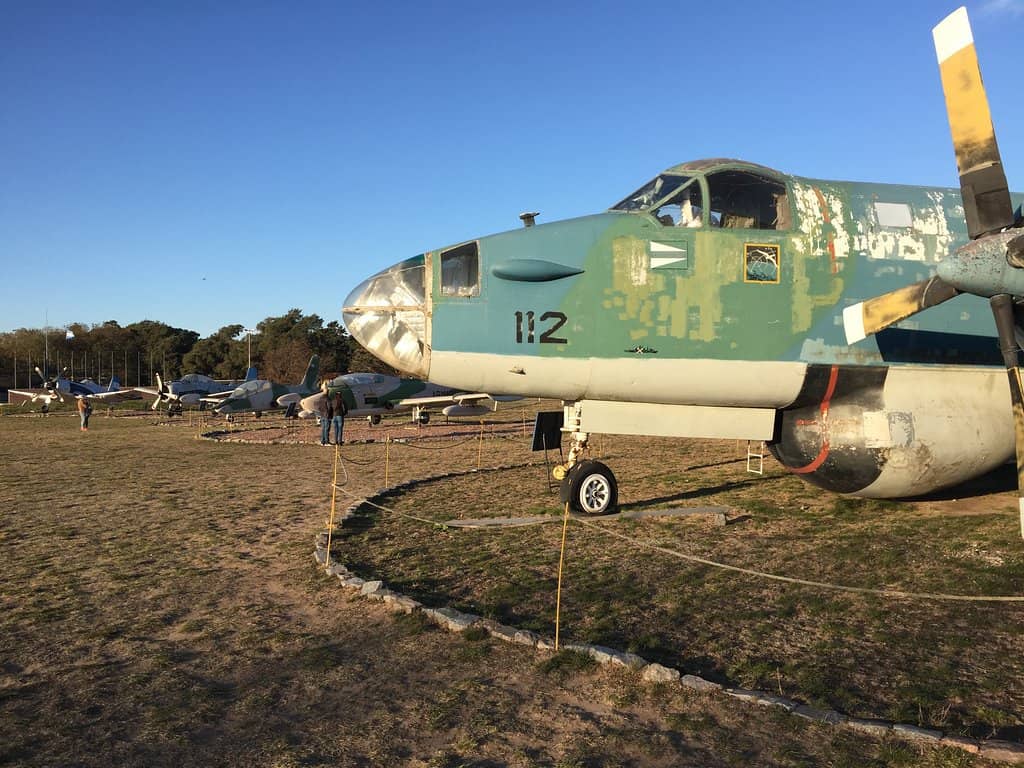
See iconic aircraft that shaped Argentine Naval Aviation history, from early models to those involved in significant conflicts.
Falklands War Exhibits
Specific exhibition areas
Witness artifacts and aircraft, like the Etendart, that played a role in the 1982 conflict, offering a poignant look at wartime bravery.
Pioneering Aviators' Stories
Photographs and document displays
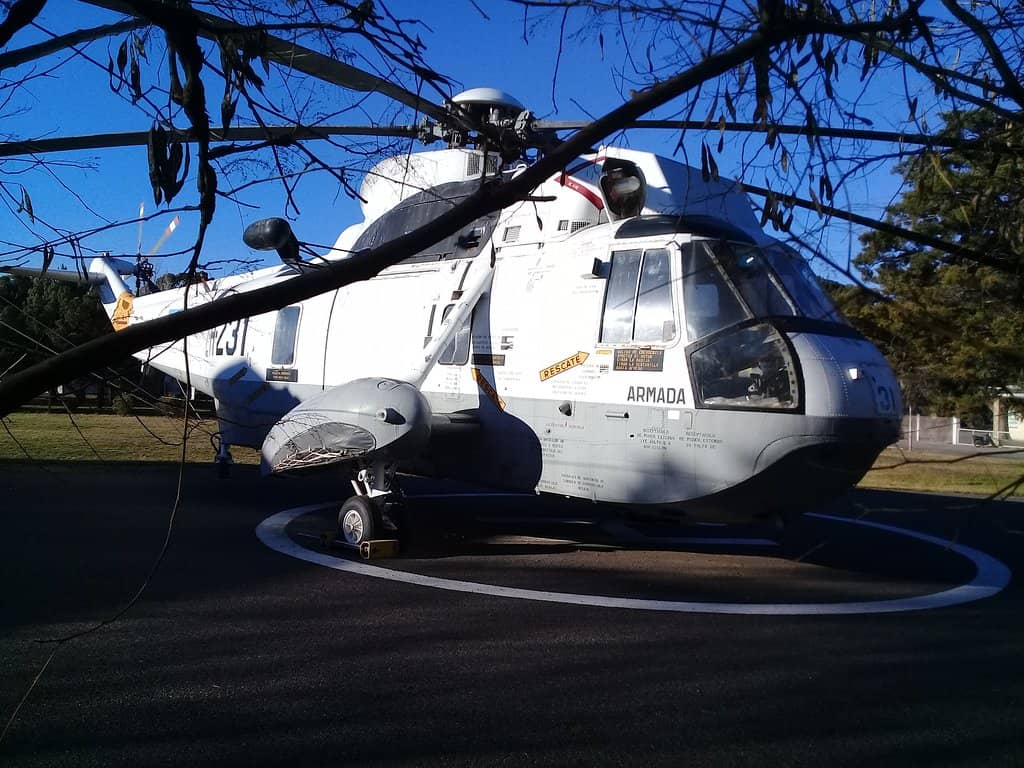
Learn about the sacrifices and achievements of naval aviation pioneers like Fitz Simon and Pouchan, whose legacies are preserved here.
Plans like a pro.
Thinks like you
Planning Your Visit
Plan Your Visit to MUAN
What to Expect at MUAN
Best Times
Insider Tips
from TikTok, Instagram & Reddit
📸 Photo Opportunities
Capture stunning shots of historic aircraft, especially the Etendart. Great for aviation enthusiasts!
⏳ Allow Ample Time
The museum is comprehensive; dedicate at least 2-3 hours to fully appreciate the exhibits.
👨👩👧👦 Family Friendly
An excellent place for a family visit, offering educational and moving exhibits for all ages.
✈️ Outdoor Display Area
Don't miss the field with various aircraft; it's a highlight for many visitors.
Tips
from all over the internet
📸 Photo Opportunities
Capture stunning shots of historic aircraft, especially the Etendart. Great for aviation enthusiasts!
⏳ Allow Ample Time
The museum is comprehensive; dedicate at least 2-3 hours to fully appreciate the exhibits.
👨👩👧👦 Family Friendly
An excellent place for a family visit, offering educational and moving exhibits for all ages.
✈️ Outdoor Display Area
Don't miss the field with various aircraft; it's a highlight for many visitors.
What Travellers Say
Reviews Summary
Visitors consistently praise the Museo de la Aviación Naval Argentina for its comprehensive collection and moving tribute to naval aviation history. The exhibits, particularly those related to the Falklands War and the outdoor aircraft display, are highlighted as significant draws. While specific details on amenities like dining are scarce, the overall experience is highly recommended for its historical depth and educational value.
"The MUSEUM OF NAVAL AVIATION ARGENTINA is intended to preserve for future generations the rich history of all those aircraft that passed through NAVAL AVIATION, and the experiences of its men and women, the sailors who fly. History born in 1916, which continues in constant expansion and growth.
History is the fundamental basis for the understanding of our present and irreplaceable guide to set the right course that we must follow in the future.
The history of NAVAL AVIATION in particular is based on the fundamental values that distinguish this noble pillar of the ARMADA: sacrifice, abnegation and unconditional love for our country, this being the most precious legacy of the human group that composes it today, continuing the path traced by those who preceded us in an exemplary way.
This past was written with the blood of its heroes and forged with the sacred fire of the hearts of people who gave to the country the most precious thing of every human being: their lives.
Much of this legacy is treasured in the ARGENTINE NAVAL AVIATION MUSEUM, where it is guarded in a framework of respectful zeal for the past of the guardian component of the skies of our sea.
It is there, as mute witnesses and protagonists of past glories, are protected from the inexorable passage of time: airplanes, photographs and documents that constitute the most precious material heritage of our yesterday, exposed to all public.
To enter the facilities of this museum is to travel through time, the courageous history of the NAVAL AVIATION, is to relive through empathy, clear vision and strong conviction in the beginning times, experienced by men like FITZ SIMON, POUCHAN , ZAR, ESCOLA, MORENO, OYTABEN and all the other precursors and founders, times of conquests and growth, as they were the arrival to the Antarctic continent with aeronautical means and the incorporation of the Carrier ARA INDEPENDENCIA, and times of blood and glory in that baptism of fire in 1982, until we came to understand the present, which we must live fighting to keep alive the sacred flame of the sailors that fly. That is why the NAVAL AVIATION MUSEUM is a faithful custodian of our history."
Suvendu Das
"Open day."
Leonardo Tolaba
"Mm"
Ricardo Perez
What People Like
What People Dislike
Frequently Asked Questions
🚇 🗺️ Getting There
The MUAN is located in Bahía Blanca, Argentina. Visitors typically arrive by car or taxi. Public transportation options may be limited, so checking local bus routes or ride-sharing services in advance is recommended.
Yes, there is usually parking available at the museum. It's advisable to arrive a bit early, especially on weekends, to secure a good spot.
The closest major airport is Bahía Blanca Airport (BHI). From the airport, you would need to arrange ground transportation to the museum.
While possible, it's a long day trip. Many visitors prefer to stay overnight in Bahía Blanca to fully enjoy the museum and surrounding area.
🎫 🎫 Tickets & Entry
The museum's hours can vary, and it's best to check their official website or social media for the most up-to-date information. They are often open on weekends.
Admission fees are generally affordable. It's recommended to check the museum's official channels for current pricing, as it can change.
Advance booking is usually not required for general admission, but it's always a good idea to confirm, especially if you are planning a group visit.
The museum sometimes hosts special events or open days. Keep an eye on their announcements for opportunities to experience the museum in a unique way.
Information on accessibility can be limited. It's advisable to contact the museum directly to inquire about specific facilities and accommodations for visitors with disabilities.
🎫 ✈️ Onsite Experience
You can see a diverse range of aircraft, including historical planes, those used in conflicts like the Falklands War (e.g., the Etendart), and various naval aviation assets.
While not always explicitly advertised, knowledgeable staff or volunteers might be available to provide insights. Inquire upon arrival about potential guided tours or information sessions.
Photography is generally permitted for personal use, especially of the aircraft displays. However, always be respectful of the exhibits and other visitors.
The outdoor field features a variety of aircraft, offering excellent opportunities for close-up viewing and photography. It's a significant part of the visitor experience.
Most visitors find that 2-3 hours is sufficient to explore the museum thoroughly, but aviation enthusiasts might want to allocate more time.
🍽️ 🍽️ Food & Dining
The museum typically does not have an on-site restaurant or cafe. It's recommended to bring your own snacks or plan to eat before or after your visit at nearby establishments in Bahía Blanca.
You'll find various dining options in the city of Bahía Blanca. Explore local restaurants and cafes for a taste of regional cuisine after your museum visit.
While specific policies can vary, it's generally best to consume outside food and drinks before entering the exhibition areas to maintain the integrity of the displays.
📸 📸 Photography
The outdoor aircraft field offers fantastic opportunities for capturing impressive shots. Inside, focus on the details of the aircraft and historical displays.
Drone usage is typically prohibited at historical sites and museums to ensure the safety and preservation of exhibits. Always check with museum staff if unsure.
Generally, personal photography is allowed. However, flash photography might be restricted in certain areas to protect sensitive artifacts.
A versatile lens (e.g., 24-70mm) is useful for both wide shots of aircraft and details. A camera with good low-light performance is beneficial for indoor exhibits.
Professional photoshoots usually require special permission and may incur additional fees. Contact the museum in advance to arrange such activities.
For Different Travelers
Tailored advice for your travel style
👨👩👧 Families with Kids
Beyond the visual spectacle, the museum offers a chance to learn about the brave men and women who served in naval aviation. The stories of sacrifice and dedication can be inspiring for younger visitors. It's a highly recommended spot for a family visit, offering a blend of history, technology, and patriotism that appeals to all ages.
✈️ Aviation Enthusiasts
Beyond the aircraft themselves, the museum's archives of photographs and documents offer deep insights into the evolution of naval aviation. Enthusiasts can delve into the stories of pioneering aviators and the technological advancements that have shaped this field. It's a place to truly immerse oneself in the rich heritage of Argentine naval aviation.
Deep Dives
In-depth insights and expert knowledge
The Legacy of Argentine Naval Aviation
Visitors can expect to embark on a journey through time, reliving the courageous history of naval aviation. The exhibits bring to life the early days of conquest and growth, including significant milestones like the arrival in the Antarctic and the incorporation of the aircraft carrier ARA Independencia. The museum also poignantly commemorates the times of blood and glory, particularly the 'baptism of fire' in 1982, ensuring that the sacrifices made are never forgotten.
MUAN's collection includes airplanes, photographs, and documents, all guarded with zealous respect. These artifacts are mute witnesses to past glories and protagonists of historical moments. Stepping into the museum is an opportunity to connect with the past, to understand the foundations upon which modern naval aviation is built, and to honor the sacred flame of the sailors that fly. It is a faithful custodian of a vital part of Argentina's national identity.
Experiencing the Exhibits at MUAN
One of the most impactful exhibits features artifacts and aircraft related to the Falklands War (1982). Visitors can see aircraft like the Etendart, which participated in the conflict, providing a tangible connection to this significant period in Argentine history. The museum aims to evoke empathy and strong conviction as visitors learn about the men who flew these planes and the challenges they faced.
Beyond the aircraft, MUAN houses a wealth of photographs and documents that tell the stories of the precursors and founders of naval aviation. These personal accounts and historical records offer a deeper understanding of the human element behind the machines, making the visit both educational and emotionally resonant. It's a place where history truly comes alive.





Social
from TikTok, Instagram & Reddit