Church of Jesus Igreja de Jesus
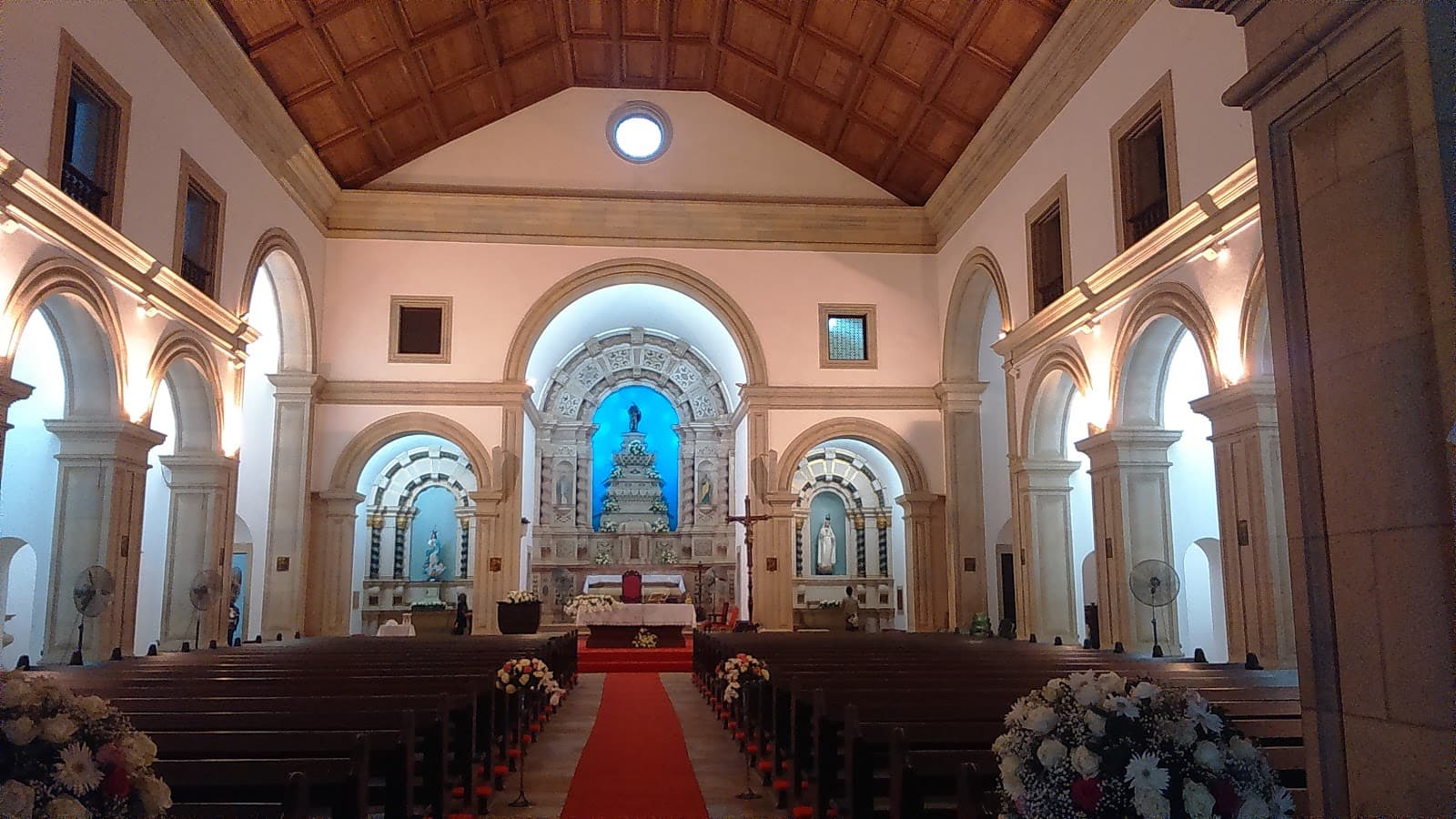
A magnificent 17th-century Jesuit church in Luanda, beautifully restored and known for its stunning architecture, especially when lit at night.
Highlights
Must-see attractions

Social
From TikTok & Reddit
Best Time
Magical nighttime views
Church of Jesus Igreja de Jesus
Best Time
Magical nighttime views
Highlights
Must-see attractions
A magnificent 17th-century Jesuit church in Luanda, beautifully restored and known for its stunning architecture, especially when lit at night.
"It was very beautiful to see this at night. A beautiful and welcoming church in a calm place."
🎯 Clarify the Name
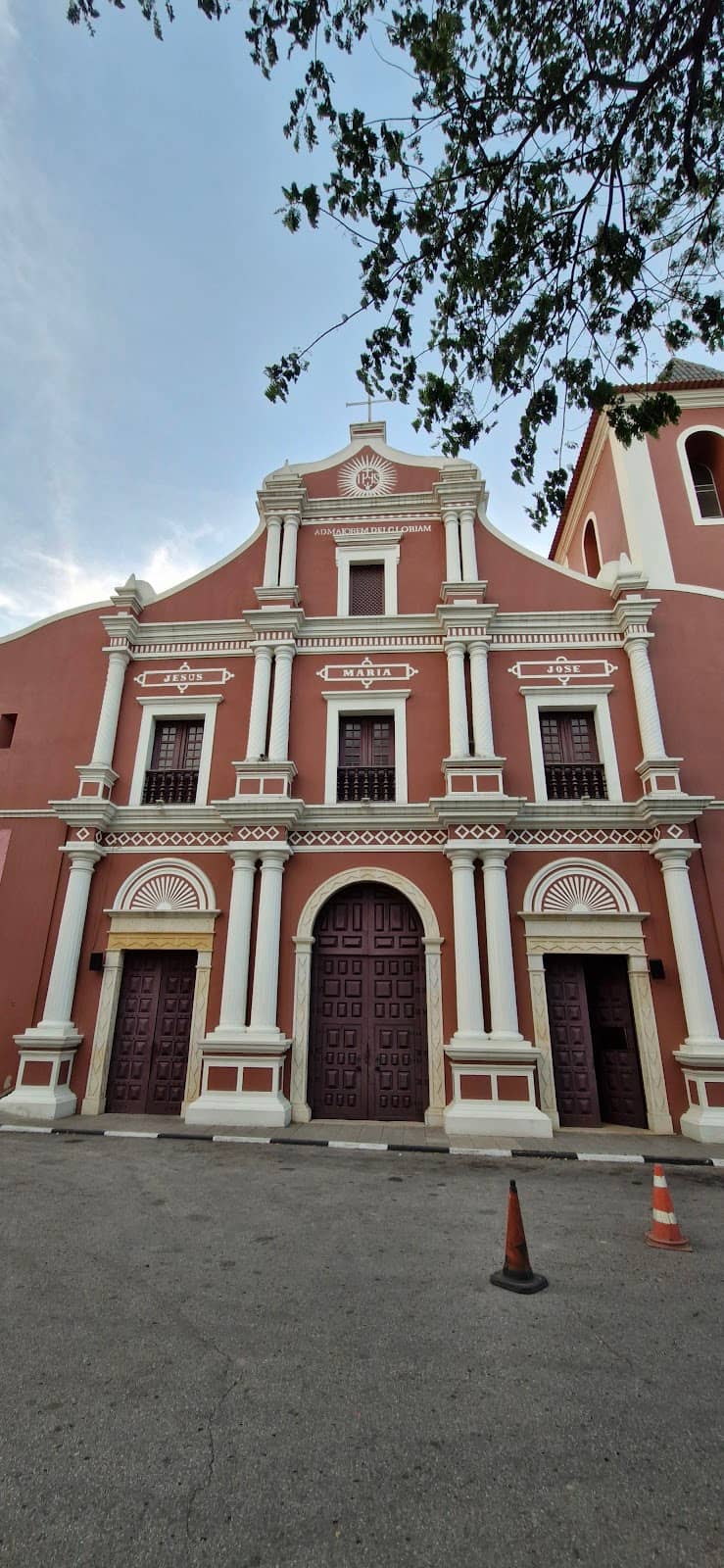
It's known as Igreja de Jesus, Sé Cathedral, or Jesuit Church. Use 'Igreja dos Jesuítas Sé Catedral' for maps.
✨ Nighttime Beauty
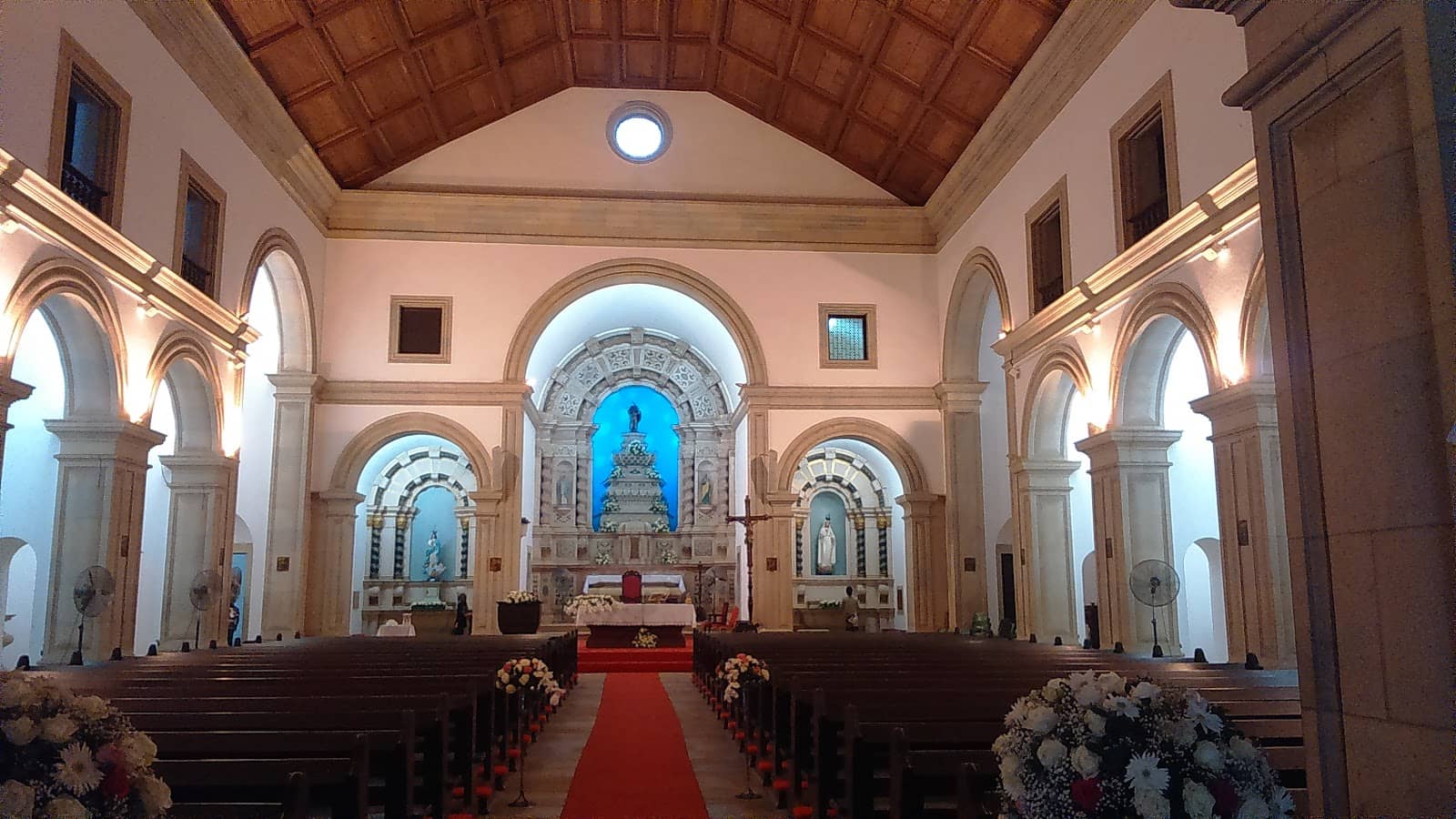
The church is stunning at night when illuminated. A must-see for photographers!
Quick Facts
Rating
3.9 · 18 reviews
Type
Church
Highlights
Discover the most iconic attractions and experiences
Grand Jesuit Architecture
Luanda Alta
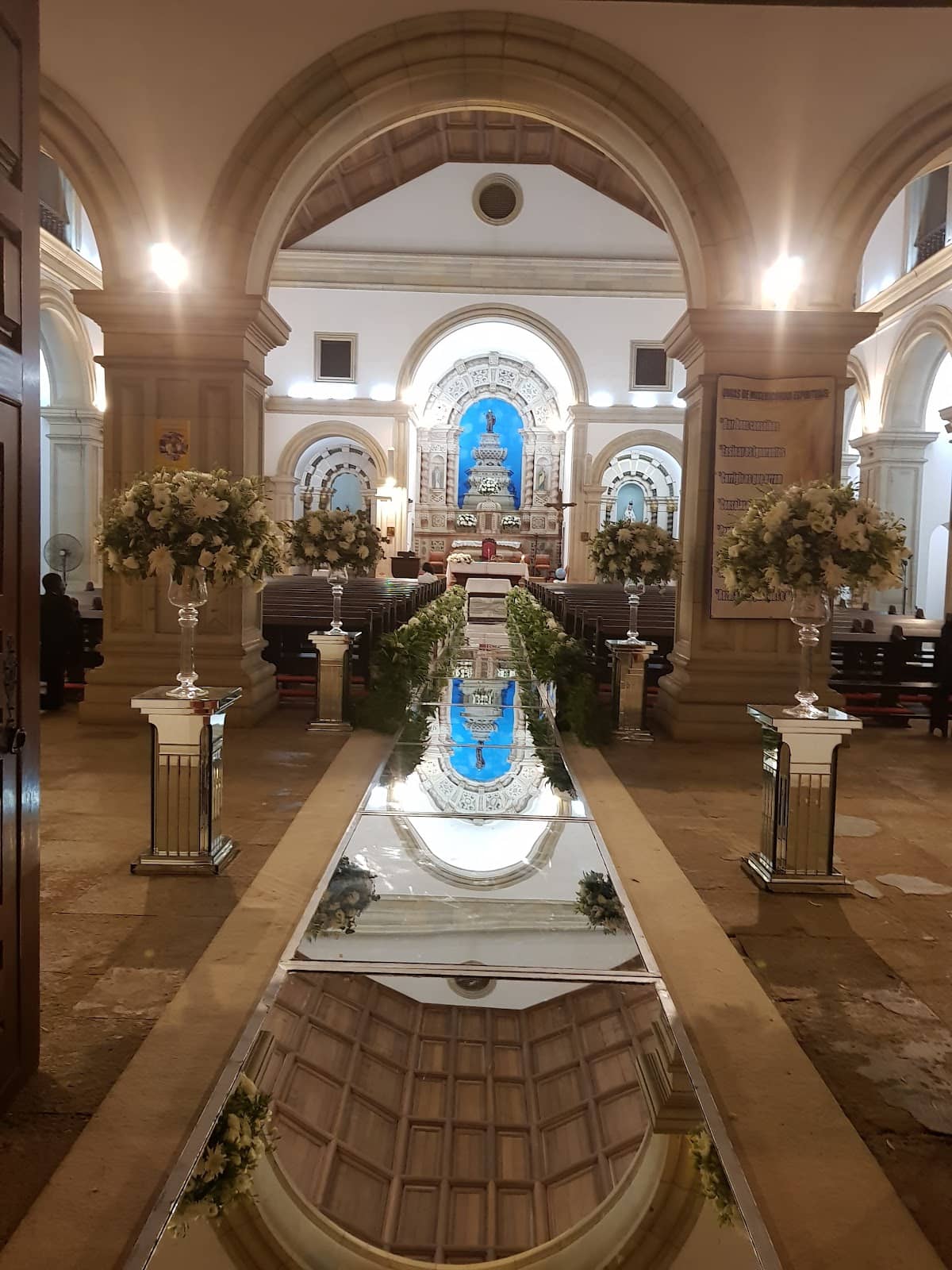
Admire the 17th-century Jesuit design, a testament to its historical grandeur and architectural significance.
Restored Sé Cathedral
Luanda Alta
Experience the beauty of this meticulously restored cathedral, a landmark in Luanda's religious heritage.
Nighttime Ambiance
Luanda Alta
Witness the church illuminated at night for a truly magical and serene experience.
Plans like a pro.
Thinks like you
Planning Your Visit
Understand the Name
Historical Significance
Best Times
Insider Tips
from TikTok, Instagram & Reddit
🎯 Clarify the Name
It's known as Igreja de Jesus, Sé Cathedral, or Jesuit Church. Use 'Igreja dos Jesuítas Sé Catedral' for maps.
✨ Nighttime Beauty
The church is stunning at night when illuminated. A must-see for photographers!
🏛️ Architectural Gem
Appreciate the 17th-century Jesuit architecture and recent restorations.
📸 Photo Opportunities
Great spot for photos, especially with its historical facade and nighttime lighting.

Tips
from all over the internet
🎯 Clarify the Name
It's known as Igreja de Jesus, Sé Cathedral, or Jesuit Church. Use 'Igreja dos Jesuítas Sé Catedral' for maps.
✨ Nighttime Beauty
The church is stunning at night when illuminated. A must-see for photographers!
🏛️ Architectural Gem
Appreciate the 17th-century Jesuit architecture and recent restorations.
📸 Photo Opportunities
Great spot for photos, especially with its historical facade and nighttime lighting.
What Travellers Say
Reviews Summary
Visitors praise the Church of Jesus for its stunning architecture and the beauty of its restorations, especially when illuminated at night. Many find it a peaceful and welcoming place, with some sharing personal connections like weddings. While generally well-maintained, some note that clear signage for navigation could be improved.
"Cathedral of Luanda. Wonderful restauration. Known as Jesuíts Church as well"
Ricardo Santos
"Para ajudar as pessoas a encontrarem facilmente o local quando procurarem no mapa, o nome devia ser "Igreja dos Jesuítas Sé Catedral""
Lando Miguel Leya
"Igreja e Colégio dos Jesuítas
Arquitetura religiosa
Em 1584, Paulo Dias de Novais fez doação à Companhia de Jesus de várias terras e um terreno na cidade. Em 1605 e 1607, iniciou‐se, respectivamente, a construção do colégio e da igreja "edificados no século XVII na cidade alta, na Praça que então se denominava da Feira, hoje Largo do Palácio, sítio alto, sadio, lavado dos ventos e muito bem assombrado de que tomaram posse em 1593" (Gabriel, 1981, p. 65), localizados na cidade alta. A obra ficou concluída em 1636 e, segundo comentários da época, era a maior e mais sumptuosa igreja de Luanda. Seguia a tradição jesuíta desenvolvida em território português, apresentando uma tipologia cripto‐colateral com uma só nave ladeada por capelas laterais e uma torre exterior ao corpo da igreja. Como dizia o padre Manuel de Matos em 1665, "o edifício é muito grandioso, não tem inveja ao da Madeira [...] é tirada pela de Évora, algum tanto menos comprida e mais larga, com o que ficam desassombradas as duas capelas colaterais". As semelhanças podem ver‐se ainda no transepto inscrito, no esquema de configuração do altar‐mor e nas dimensões similares das sacristias e serviços de apoio. Foi o segundo templo construído pelos padres da Companhia de Jesus. Faz parte de um grandioso complexo constituído por igreja, colégio e seminário, cuja construção demorou perto de trinta anos (1607‐1636). A sua inspiração no barroco italiano é atestada pela rica composição do altar‐mor, guarnecido de encastrados em mármores de várias cores e talha. Após a expulsão dos jesuítas, entrou em decadência e ruína total. Vários foram os restauros que sofreu ao longo dos anos, os quais lhe foram alterando a traça original. Em 1953, a igreja começou finalmente a ser restaurada sob projeto e orientação do arquiteto Humberto Reis, que manteve a fachada original mas fez alterações na planta e cobertura da nave central, com duas águas sobre uma estrutura metálica. O Colégio, dedicado ao Santíssimo Nome de Jesus, foi durante século e meio o principal centro de ensino de Luanda, onde estudavam não só os angolanos mas também alunos vindos de Portugal e do Brasil para professarem o sacerdócio ou abraçarem outras carreiras. Depois da expulsão dos jesuítas, o edifício do colégio, embora arruinado, serviu parcialmente de residência para alguns bispos e, depois, de sede do arcebispado. Entre 1961 e 1975, foi sede da Capelania Militar de Angola para os serviços religiosos das Forças Armadas. Atualmente ambos os edifícios estão muito bem conservados, continuando as mesmas funções, e fazem parte do complexo da Cidade Alta. O conjunto está classificado como Monumento Nacional pela portaria provincial n.° 6.715, publicada no Boletim Oficial n.° 21, de 25.05.1949.
Isabel Martins"
Eugénio Frederico Bundi Sapato
What People Like
What People Dislike
Frequently Asked Questions
🚇 🗺️ Getting There
The Church of Jesus, also known as Sé Cathedral, is located in the Luanda Alta district. Taxis or ride-sharing services are the most convenient ways to reach it. Ask your driver for 'Igreja dos Jesuítas Sé Catedral' for clarity.
Parking can be challenging in the Luanda Alta area. It's advisable to use ride-sharing services or be prepared to walk a short distance if you drive.
Using a GPS app and searching for 'Igreja dos Jesuítas Sé Catedral' or 'Sé Catedral Luanda' will provide accurate directions.
🎫 🎫 Tickets & Entry
Entry to the church is generally free, as it is an active place of worship. However, donations are often appreciated to help with maintenance.
Specific opening hours can vary, but it's typically open during daylight hours for visitors. It's best to check locally or inquire if you plan to attend a specific service.
There is no official admission fee, but visitors are encouraged to be respectful and consider making a donation.
Visitors are welcome to attend services, but it's important to be respectful of worshippers and the sanctity of the event.
🎫 🏛️ Onsite Experience
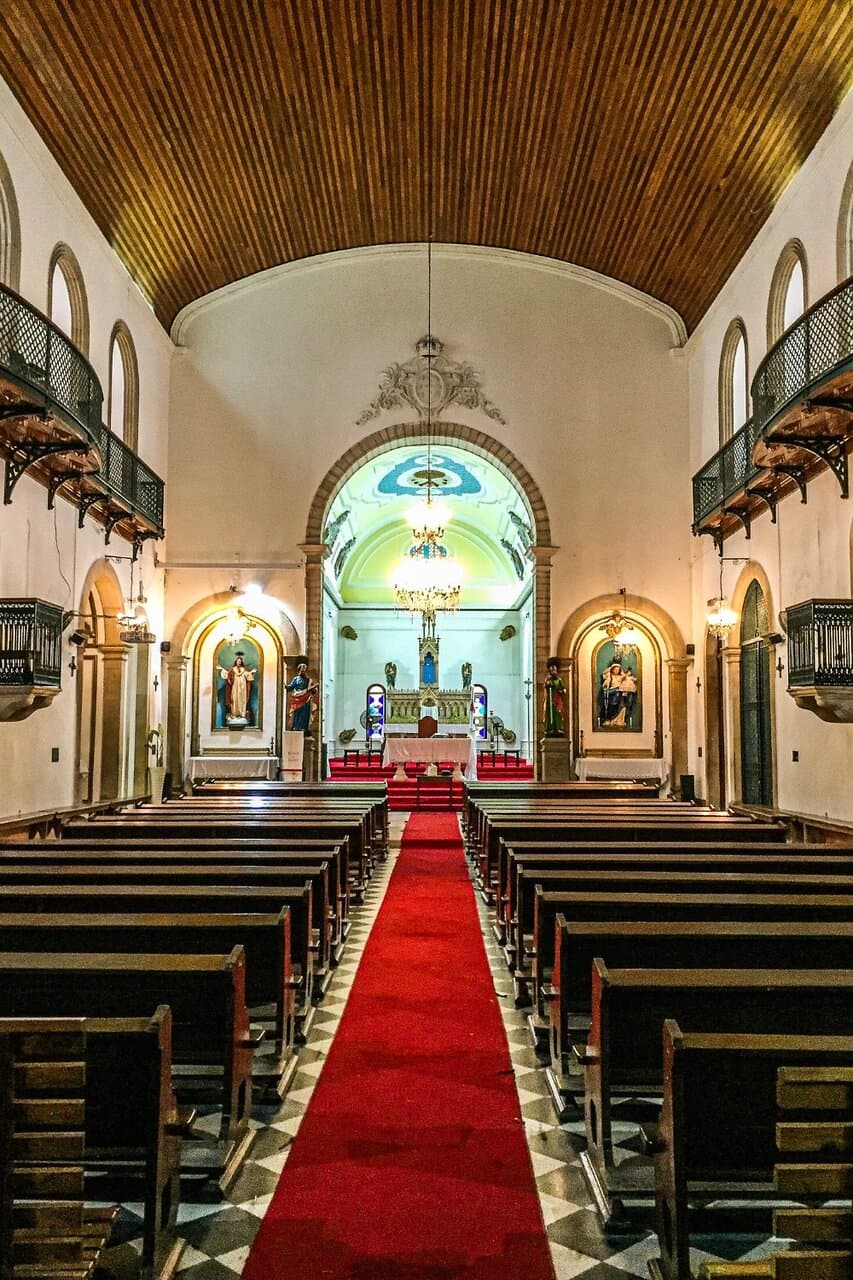
Built by the Jesuits in the 17th century, it was once the largest church in Luanda and is a significant example of religious architecture. It has undergone several restorations.
The church exhibits Jesuit architectural traditions, with influences from Italian Baroque, featuring a single nave flanked by chapels and an exterior tower.
Yes, it continues to function as a church and is part of the Luanda Alta complex.
Many visitors find the church particularly beautiful in the evening when it is illuminated, offering a serene ambiance.
As it is a religious site, modest dress is recommended. Avoid overly revealing clothing.
📸 📸 Photography
Photography is generally permitted inside, but it's always best to be discreet and respectful, especially during services. Avoid using flash if it might disturb others.
The facade of the church, especially when lit up at night, is a popular photo spot. The interior, with its architectural details, also offers great opportunities.
Drone usage is typically restricted in urban areas and around religious sites. It's advisable to check local regulations before attempting to fly a drone.
Social
from TikTok, Instagram & Reddit