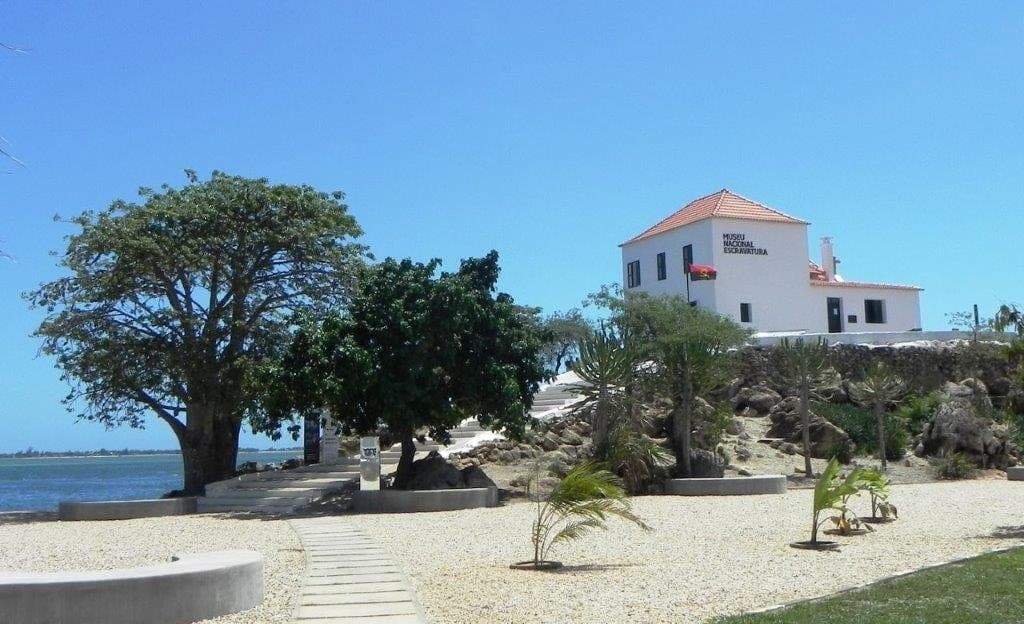
National Slavery Museum Museu Nacional da Escravatura
A poignant museum confronting Angola's history of slavery and the slave trade, complemented by a vibrant handicraft market.
Highlights
Must-see attractions

Social
From TikTok & Reddit
Best Time
Fewer crowds, more reflection time.
National Slavery Museum Museu Nacional da Escravatura
Best Time
Fewer crowds, more reflection time.
Highlights
Must-see attractions
A poignant museum confronting Angola's history of slavery and the slave trade, complemented by a vibrant handicraft market.
"A historic place with well-displayed, colorful exhibits that are both memorable and empowering."
Free Guided Tours Available
Take advantage of the on-site guide for free tours. They offer invaluable context and insights. :informationdeskperson:
Support Local Artisans
Explore the handicraft market for unique souvenirs. Great way to engage with local culture. :shopping_bags:
Quick Facts
Hours
Rating
4.2 · 571 reviews
Type
Museum
Address
Highlights
Discover the most iconic attractions and experiences
Artifacts of the Slave Trade
Exhibition Halls
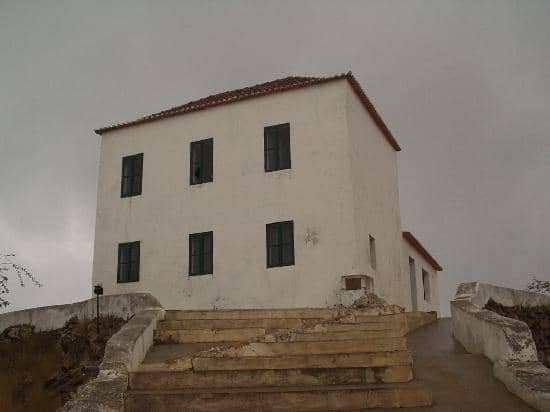
See poignant artifacts detailing the processing and management of enslaved people. A powerful visual history.
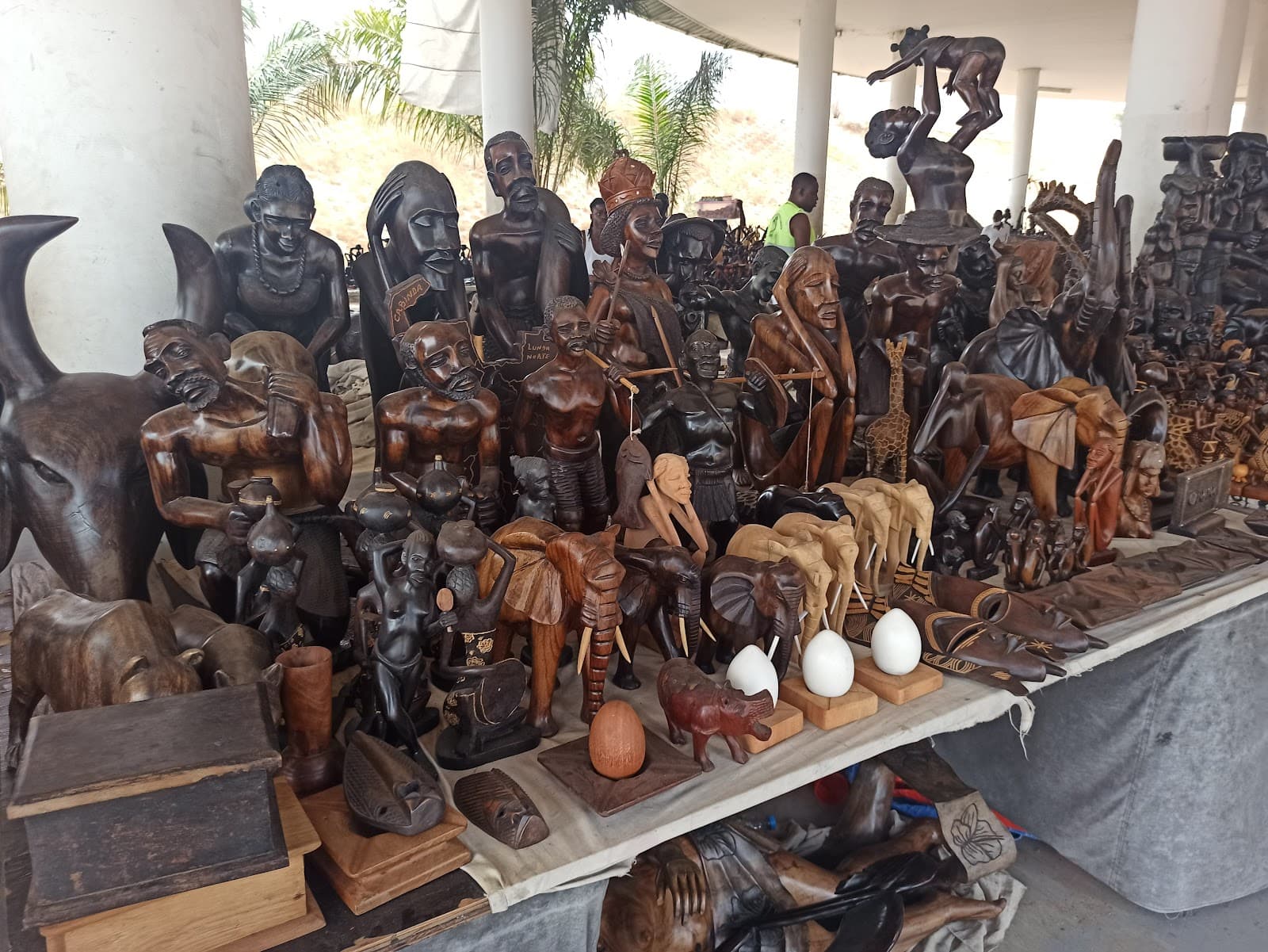
The Handicraft Market
Outside the Museum Entrance
Discover colorful, locally made crafts and souvenirs. A vibrant contrast to the museum's somber themes.

Interactive Exhibits
Throughout the Museum
Engaging displays that vividly recount the history of slavery in Angola. Educational and memorable.
Plans like a pro.
Thinks like you
Planning Your Visit
Understand the Weight of History
Embrace the Local Craftsmanship
Best Times
Insider Tips
from TikTok, Instagram & Reddit
Free Guided Tours Available
Take advantage of the on-site guide for free tours. They offer invaluable context and insights. :informationdeskperson:
Support Local Artisans
Explore the handicraft market for unique souvenirs. Great way to engage with local culture. :shopping_bags:
Prepare for Emotional Content
The museum covers a difficult topic. Be ready for a moving and potentially somber experience. :brave:
English & Portuguese Guides Needed
While guides are available, consider if language support is sufficient for your visit. :speech_balloon:
Tips
from all over the internet
Free Guided Tours Available
Take advantage of the on-site guide for free tours. They offer invaluable context and insights. :informationdeskperson:
Support Local Artisans
Explore the handicraft market for unique souvenirs. Great way to engage with local culture. :shopping_bags:
Prepare for Emotional Content
The museum covers a difficult topic. Be ready for a moving and potentially somber experience. :brave:
English & Portuguese Guides Needed
While guides are available, consider if language support is sufficient for your visit. :speech_balloon:
Clean and Well-Maintained
The museum is noted for its cleanliness and good upkeep. ✨
What Travellers Say
Reviews Summary
Visitors find the National Slavery Museum to be a historic and well-done institution, offering a colorful and detailed look at the painful history of slavery and the slave trade in Angola. While the subject matter is heavy, the museum is praised for its presentation and the availability of free guided tours. The adjacent handicraft market is also a popular attraction for its vibrant local crafts.
"Despite being a small museum, it is a very historic place and definitely deserves a visit. The handicraft market in front of the museum is also a great place to explore"
Gabriel Dicelis
"Not sure how to rate this place as anything other than a museum because the content and material is so shameful."
A Bother
"This is a museum that is well done on such a horrific topic. We learn about how slaves were processed, managed, and competed for amongst slave sellers. Overall, a good experience."
C Neon
What People Like
What People Dislike
Frequently Asked Questions
🚇 🗺️ Getting There
Information on public transport or taxi services to reach the museum is limited in online discussions. It's recommended to arrange transport through your accommodation or a local taxi service. Parking is noted as free on-site, which is a plus if you're driving.
Yes, visitors have reported that parking is free and available at the museum. This makes it convenient if you are arriving by car.
🎫 🎫 Tickets & Entry
Specific opening hours are not widely detailed online. However, reviews suggest visiting during weekday mornings or afternoons for a less crowded experience. It's advisable to confirm hours locally before your visit.
While reviews mention free tours and free parking, the existence of an entrance fee is not explicitly stated. It's best to inquire locally or check official sources if available.
Yes, there is a guide on-site who offers free tours. This is highly recommended to gain a deeper understanding of the exhibits and the history presented.
There is no mention of advance ticket booking in traveler feedback. Given the nature of the museum and the availability of free tours, it's likely a walk-in visit is standard.
🎫 🧭 Onsite Experience
Visitors describe the experience as memorable, empowering, and a good learning opportunity. Despite the heavy subject matter, the museum is well-done and the history is displayed colorfully and in detail. +1
The exhibits are described as well-displayed, colorful, and very detailed, making the history of slavery accessible and impactful for visitors.
The museum deals with a shameful and horrific topic. While educational, it's important for visitors to be prepared for the emotional weight of the subject matter.
The museum is consistently described as clean and well-maintained, contributing to a respectful environment for exploring its important historical content.
While guides are available, one reviewer suggested including English and Portuguese tour guides, implying that current language offerings might be limited.
📸 📸 Photography
Information regarding photography policies is not readily available in reviews. It's advisable to check for signage upon arrival or ask a museum attendant before taking photos. Some sensitive exhibits may have restrictions.
While the exhibits themselves are historically significant, the colorful handicraft market outside offers vibrant photo opportunities. The museum's architecture might also be visually interesting.
Social
from TikTok, Instagram & Reddit